
Technical University of Munich (TUM): Overview, Structure, and Impact
Technical University of Munich (TUM), founded in 1868, is a leading German research university with campuses in Munich, Garching and Freising-Weihenstephan and a strong focus on science, engineering and entrepreneurship.
Overview
The Technical University of Munich (TUM) is a major German research university founded in 1868. It operates multiple campuses, notably in Munich, Garching and Freising-Weihenstephan, and combines broad academic offerings with intensive applied research. As of the winter semester 2018 the university reported around 41,375 students, 566 professors and some 10,501 staff members; these figures illustrate its scale but have since evolved with new enrolments and appointments.
Image gallery
10 Images





Academic structure and research focus
TUM is organized into several schools and departments covering engineering, natural sciences, life sciences, medicine and management. Its research profile emphasizes engineering disciplines, computer science, physics, chemistry, biotechnology and medicine, together with interdisciplinary areas such as sustainability, robotics and data science. The university pursues both fundamental research and technology transfer, maintaining active collaborations with industry, research institutes and international partners.
Campuses and facilities
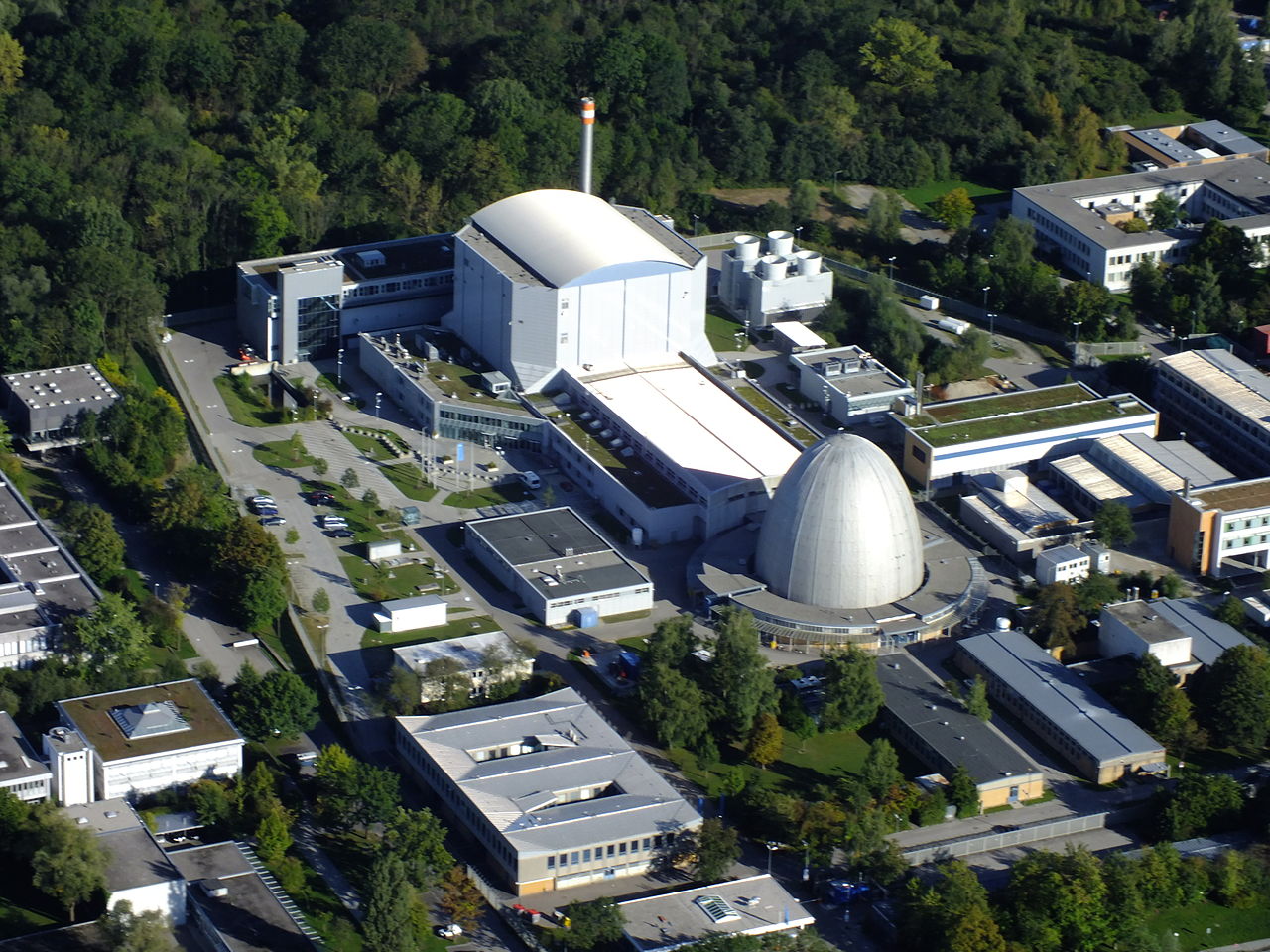
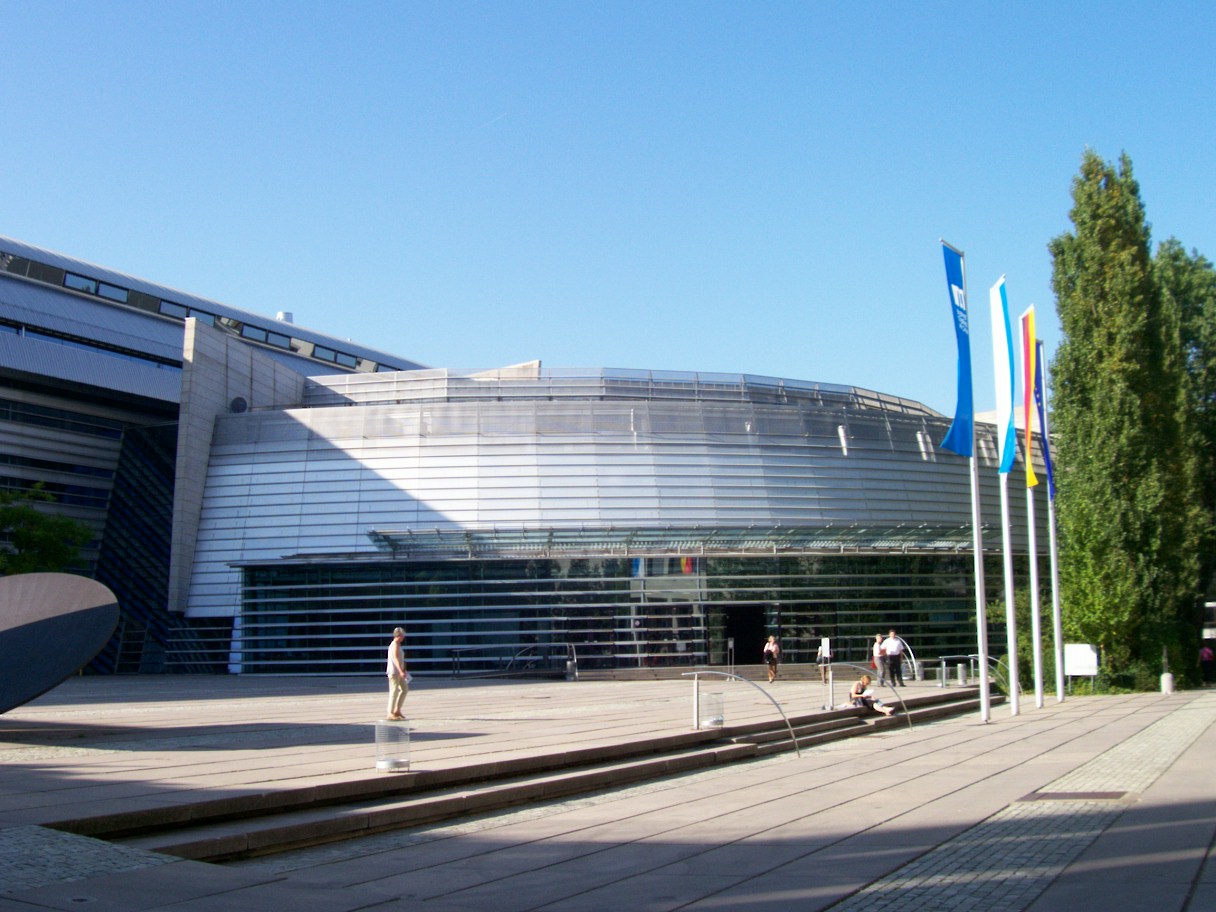
The campus network reflects the institution's disciplinary concentrations. The central Munich campus houses many administrative units, lecture halls and humanities-oriented programs. The Garching campus is a major center for natural sciences and engineering research, featuring large laboratories and institutes. Freising-Weihenstephan specializes in life sciences, agriculture and brewing sciences, reflecting a long tradition in applied biological research.
History and development
Originating in the 19th century as a technical school, the institution expanded over time into a comprehensive research university. Throughout the 20th and 21st centuries it grew in size and scope, adding medical and life-science units and strengthening ties to industry and public research funding. Participation in national excellence programs and support for international cooperation helped raise its profile in Germany and abroad.
Contributions, reputation and entrepreneurship
TUM’s alumni and faculty have been recognized for achievements in science and technology; the university community includes recipients of major awards, including 17 holders of the Nobel Prize. It is known for fostering start-ups and spin-offs, technology transfer offices, and incubators that translate research into commercial and societal applications. The university’s reputation rests on research output, innovation, and long-standing partnerships with business and public research organizations.
Notable features and relevance
- Comprehensive range of STEM and applied programs from undergraduate to doctoral level.
- Multicampus model that concentrates complementary disciplines and large-scale facilities.
- Strong emphasis on interdisciplinary research and industry collaboration.
- Active role in educating engineers, scientists and leaders who contribute to industry, academia and public service.
TUM continues to evolve its curricula and research agenda to address contemporary challenges such as digitalization, climate and health. Its position as a leading German technical university makes it a central institution for education, innovation and international scientific exchange.
Related articles
Author
AlegsaOnline.com Technical University of Munich (TUM): Overview, Structure, and Impact Leandro Alegsa
URL: https://en.alegsaonline.com/art/96677
Sources
- tum.de : "TUM facts and figures"