
Teapot Dome scandal: early 1920s U.S. oil-leasing controversy
A major early-1920s U.S. political scandal in which Interior Secretary Albert B. Fall secretly leased naval oil reserves to private companies; Senate probes, convictions, and legal reversals followed.
The Teapot Dome scandal was a major political controversy in the United States during the early 1920s. It centered on the secret leasing of federally held oil reserves to private companies and the acceptance of money and gifts by a senior official. The episode damaged public trust in government and is often cited as one of the most serious corruption scandals in American history. For contemporary reference it is commonly described as a political scandal.
Image gallery
6 Images


What happened
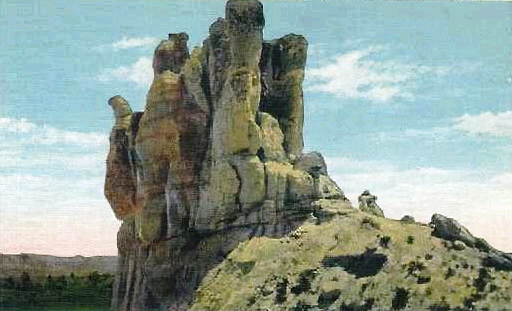
The dispute took its informal name from Teapot Rock, a distinctive outcrop near the Wyoming oil field that marked one of the contested sites. The rock and surrounding field are referred to in many accounts as Teapot Rock, located in Wyoming. During the Harding administration, control of several naval petroleum reserves was shifted in ways that allowed the Department of the Interior to arrange leases with private oil operators. President Warren G. Harding approved administrative moves that put the properties under civilian management, including fields in the West and in California.
Key actors and allegations
The central figure was Interior Secretary Albert B. Fall, who arranged leases to private companies without public competitive bidding. Critics alleged that Fall received personal financial benefits in exchange for favorable treatment. The leases themselves were made through the Department of the Interior and benefited prominent oilmen of the time, drawing scrutiny and outrage when details emerged.
Investigation and legal outcomes
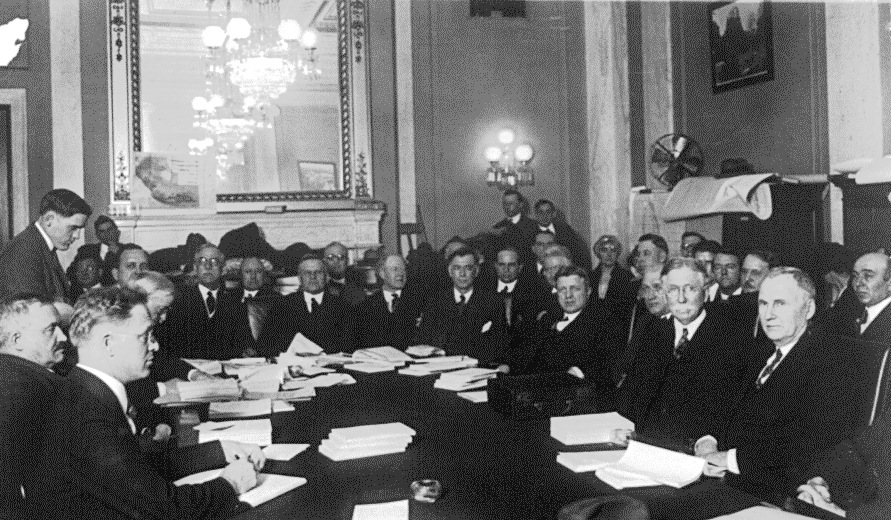
Public and congressional concern prompted a formal inquiry led by members of the United States Senate. The investigation uncovered evidence that linked the leases to payments and personal transactions, and accused participants of wrongdoing including conspiracy. Observers commonly describe these findings using terms such as conspiracy and bribery in contemporaneous reports.
Consequences and legacy
Legal proceedings eventually led to criminal charges against individuals involved; the leases were judicially reviewed and many were set aside as improper. The case produced several notable consequences: it was one of the first high-profile convictions of a former cabinet official, it highlighted weaknesses in the administration of federal natural resources, and it prompted changes in how government leases and conflicts of interest were overseen. The scandal also tarnished the reputation of President Harding, even though he did not face legal charges and died in office before the full inquiry concluded.
Why it matters
Teapot Dome remains a touchstone in American political history because it illustrates how control over natural resources, opaque decision-making, and private financial influence can combine to produce public scandal. The affair contributed to later reforms aimed at greater transparency and competitive processes for public contracts and leases, and it has been studied as a cautionary example in discussions about government ethics.
At a glance
- Principal sites: Teapot Rock area (Wyoming) and federal reserves in California.
- Main official involved: Albert B. Fall (Interior Secretary).
- Investigative body: United States Senate hearings and subsequent courts.
- Public reaction: widespread press coverage, loss of public trust in the administration.
Further context
Historians place Teapot Dome among the defining scandals of the early twentieth century because of its legal repercussions and the policy changes that followed. Copies of contemporary reports and later legal analyses remain available for researchers and the general public; many summaries and documentary treatments use the site names and institutional connections above to explain the sequence of events and their significance.
For more detailed primary-source material, archival records, and scholarly discussion, consult dedicated legal and historical repositories and annotated collections that track the inquiry, the court rulings, and the subsequent reforms to federal leasing and ethics rules.
Related articles
Author
AlegsaOnline.com Teapot Dome scandal: early 1920s U.S. oil-leasing controversy Leandro Alegsa
URL: https://en.alegsaonline.com/art/96653