
Team Fortress 2: overview, gameplay, history and community
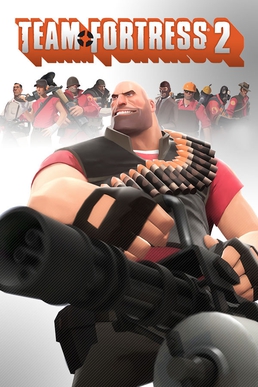
Team Fortress 2 is a class-based multiplayer first-person shooter by Valve. Known for its stylized art, nine distinct classes, rotating game modes and a long-running item economy and community.
Team Fortress 2 (TF2) is a class-based multiplayer first-person shooter developed and published by Valve Corporation. Originally packaged in The Orange Box compilation in 2007, TF2 later became a standalone title and shifted to a free-to-play business model in 2011. The game is notable for its stylized, retro-inspired art direction, emphasis on team roles and an enduring player-created economy of weapons and cosmetics. For official information see the game page and publisher resources at Valve. Basic store and download pages appear at platform storefronts.
Image gallery
5 Images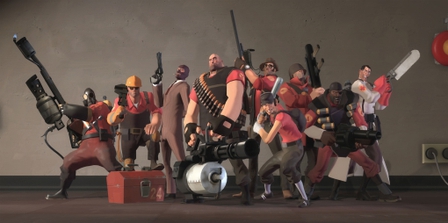

Gameplay and core characteristics
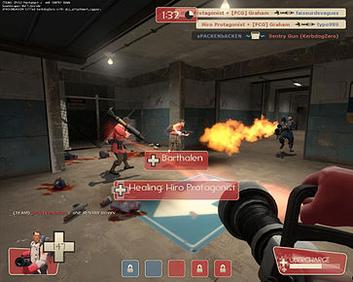
TF2 centers on nine playable classes, each with distinct weapons, abilities and battlefield roles. Classes are designed to be immediately understandable yet deep enough for advanced play. Players may switch classes during a match to adapt to changing tactical needs.
- Scout — fast, agile, excels at capture objectives.
- Soldier — versatile damage dealer with rocket launchers.
- Pyro — close-range area denial and ambush tactics.
- Demoman — explosives and area control specialist.
- Heavy — high health and sustained firepower.
- Engineer — builds defensive structures and support devices.
- Medic — primary healer and team sustain.
- Sniper — long-range precision elimination.
- Spy — stealth, disguise and sabotage role.
Common game modes
TF2 offers a variety of objective-driven modes that reward cooperation and class synergy. Popular modes include:
- Payload — one team escorts a cart along a track while the other defends.
- Control Points — teams fight to capture designated map points.
- Capture the Flag / Intelligence — steal a briefcase or intelligence to score.
- King of the Hill — hold a central point for a countdown to win.
- Mann vs. Machine — cooperative survival against waves of AI opponents.
History and development
TF2 debuted as part of The Orange Box in October 2007 alongside titles such as Portal. It was subsequently released on multiple platforms including Xbox 360, and personal computer operating systems such as Windows, Linux and Mac. In June 2011 Valve introduced a free-to-play transition with an in-game store and expanded support for cosmetic customization. The game’s aesthetic draws on mid-20th-century spy and adventure tropes, often compared to sources like James Bond and classic television spy series such as The Man from U.N.C.L.E.
Economy, customization and community
A major aspect of TF2 is its persistent item system. Players can earn, buy or trade weapons, hats and cosmetics through the in-game store, item drops, crafting and player-to-player trading. Valve supported community content by integrating the Steam Workshop and by hosting update events that encouraged map-making, modding and custom servers. This community activity helped create a secondary market and a lively scene of user-made maps, game modes and cosmetic designs.
Legacy and significance
TF2 influenced later class-based shooters with its emphasis on clear role identity, approachable but deep gameplay and long-term support through updates and microtransactions. Its commitment to team objectives, accessible art style and ongoing community involvement have kept it active years after release. While competitive esports exist around TF2, its most enduring impact is on how online shooters blend social economies, modding support and continual content updates in a live-service era.
For further reading, player guides and community hubs consult the official pages and resources linked above.
Related articles
Author
AlegsaOnline.com Team Fortress 2: overview, gameplay, history and community Leandro Alegsa
URL: https://en.alegsaonline.com/art/96641
Sources
- youtube.com : "TF2: Pick Classes"