
Tarragona
Tarragona is a historic Mediterranean port city in Catalonia, Spain, known for extensive Roman remains, medieval architecture, maritime activity and regional Catalan culture.
Tarragona is a coastal city in northeast Spain on the Costa Daurada, facing the Mediterranean Sea. It is the administrative capital of the Province of Tarragona and the main city of the comarca of Tarragonès in Catalonia. The settlement has very ancient origins: classical and archaeological sources record names such as the Phoenician Tarqon and the Roman Tarraco; modern modern references to pronunciation and variants are recorded in several language resources pronunciation guide.
Image gallery
10 Images
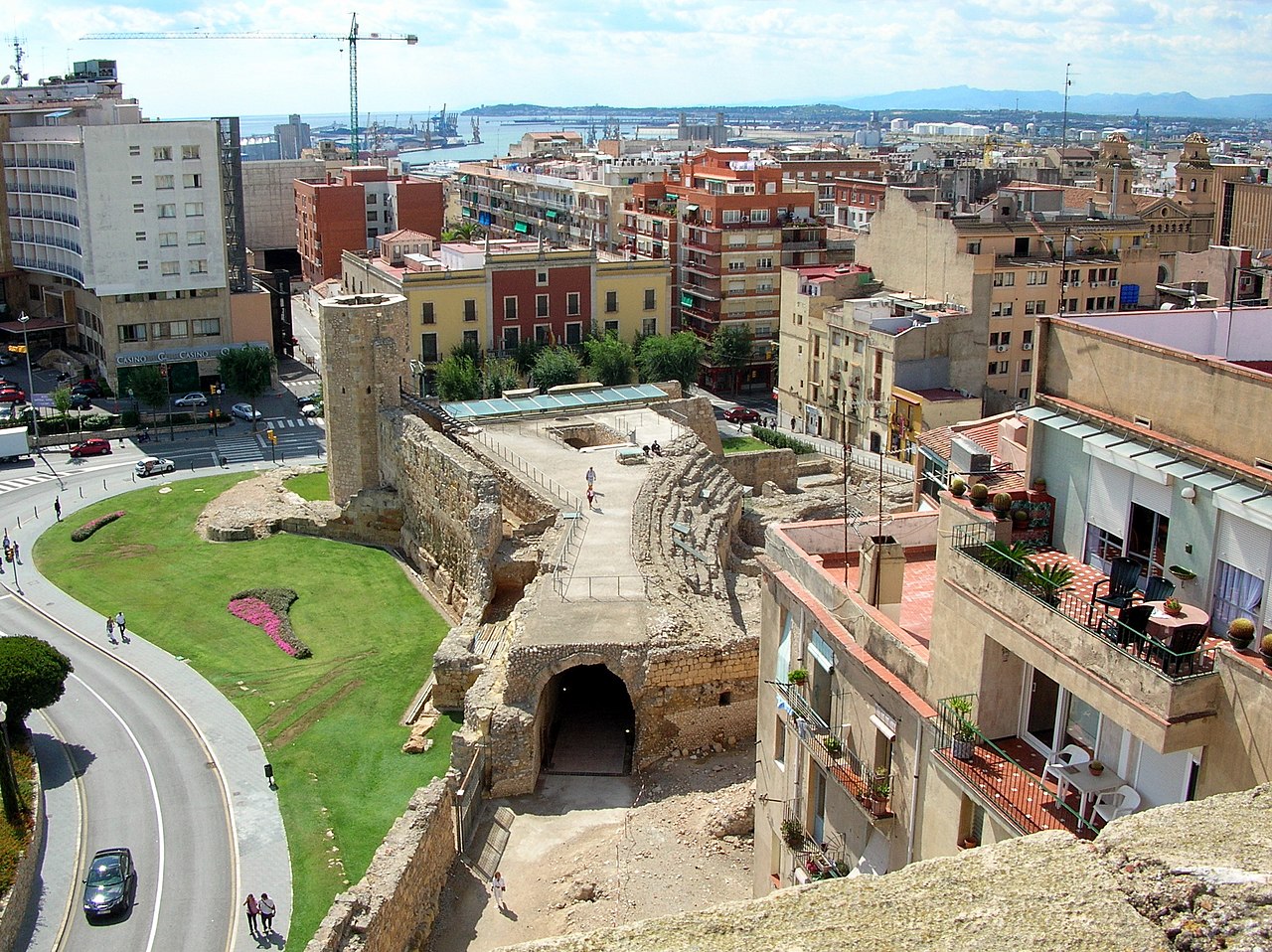


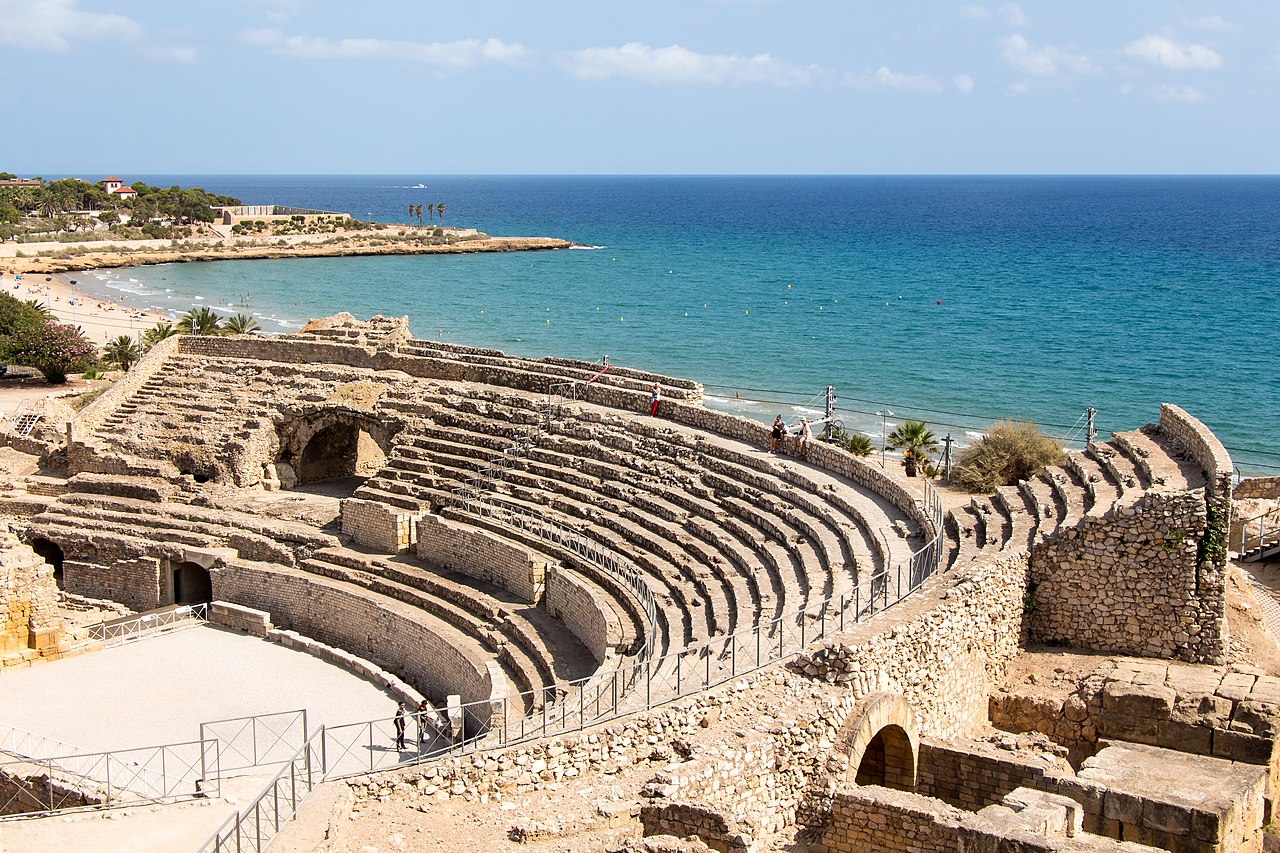
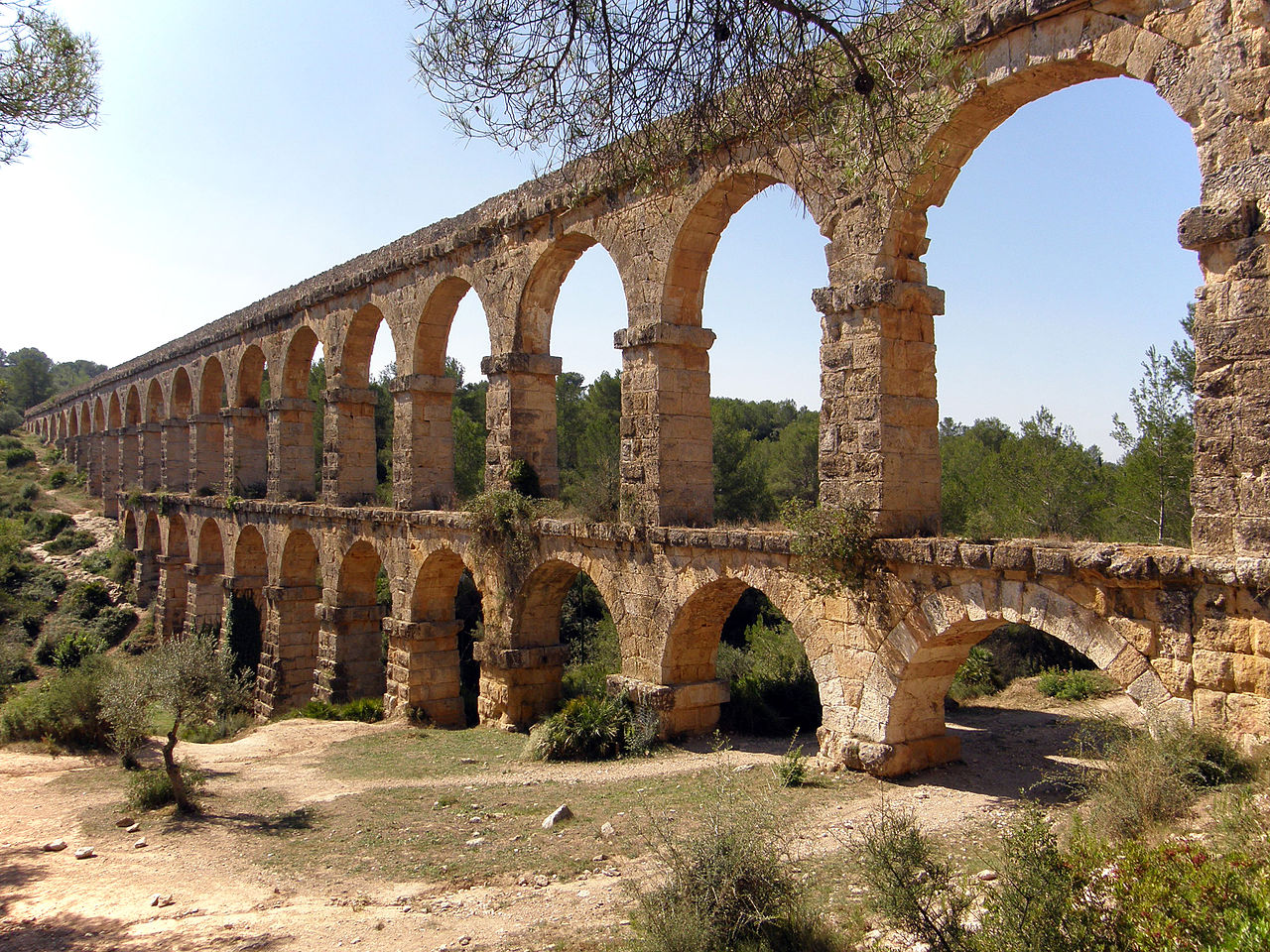

Location and urban character
Set on a gently indented shoreline, Tarragona combines port facilities, a historic centre and contemporary residential and industrial districts. The waterfront and promenades form an important element of city life, supporting leisure, fishing and maritime commerce maritime and leisure. The city lies within the wider political boundaries of Spain national context and the region of Catalonia Catalonia, and it functions as the capital of the Province of Tarragona provincial administration.
History
Tarragona predates the 5th century BC. Early settlement and trade are reflected in Phoenician and later Iberian contacts; the Phoenician name is often cited as Tarqon. Under Roman rule the city, known as Tarraco, became the administrative centre for Roman Hispania Citerior for parts of the imperial period. The extensive Roman urban fabric—walls, a forum, an amphitheatre and other monuments—shaped the medieval town that followed. The ensemble of Roman remains is widely studied and has been recognised for its heritage value.
Monuments and heritage
- Roman archaeology: notable ruins include sections of the city walls, a well-preserved amphitheatre by the sea and other public buildings that attest to Tarraco's Roman importance.
- Medieval and religious sites: the Tarragona Cathedral and several churches occupy sites with long-standing sacred use and reflect successive architectural periods.
- Urban fabric: narrow historic streets, plazas and waterfront promenades contribute to the city's character and visitor appeal.
The Roman archaeological ensemble in and around Tarragona has been the subject of conservation and interpretation projects; museums and guided routes explain the sequence from prehistoric and Phoenician phases through the Roman and medieval periods. For information about the comarca of Tarragonès and local governance see the overview entry for the comarca Tarragonès.
Economy, culture and events
Historically a maritime and administrative centre, modern Tarragona has an economy that mixes port activity, industry, tourism and services. Cultural life blends Catalan traditions—festivals, gastronomy and local customs—with events that highlight the city's archaeological heritage. Popular Catalan practices such as castells (human towers) and seasonal festivals are part of civic life and attract visitors and researchers alike. Museums and cultural institutions provide interpretation of the Roman past and contemporary regional culture cultural resources.
Population figures have varied; a past figure often cited for the wider urban area was approximately 201,000 (reported around 2014). As a living city, Tarragona continues to adapt its heritage assets to present-day uses while conserving the archaeological record for study and public appreciation provincial resources and regional context.
Related articles
Author
AlegsaOnline.com Tarragona Leandro Alegsa
URL: https://en.alegsaonline.com/art/96426