
Tartu — Estonia's historic university city
Tartu is Estonia's second-largest city and an intellectual center in the southeast, known for the University of Tartu, historic architecture, museums, and a vibrant student culture.
Tartu is widely recognized as Estonia's second largest city and an important cultural and intellectual center in the southeastern part of the country. It sits along the Emajõgi River and serves as a regional hub for education, research, and the arts within Estonia. The city's population has fluctuated near 100,000 residents in recent decades; one earlier estimate placed it at about 102,000 people in 2008 (population source), boosted by a large student community.
Image gallery
10 Images




Academic and cultural life
Tartu's identity is closely tied to the University of Tartu, an institution of higher learning that plays a central role in local life. The University of Tartu is the city's largest employer and cultural driver, attracting domestic and international students and supporting research centers, libraries, and festivals. Student traditions and campus events contribute to a lively atmosphere and shape the city's annual calendar.
History and development
The city has deep historical roots dating back to the medieval era and has been shaped by multiple cultural influences over centuries. It grew as a center of trade and ecclesiastical power in the Baltic region, later developing into an academic and administrative focal point. Architectural layers in Tartu reflect medieval ruins, classical and 19th-century buildings, interwar modernism, and postwar reconstruction.
Landmarks and institutions
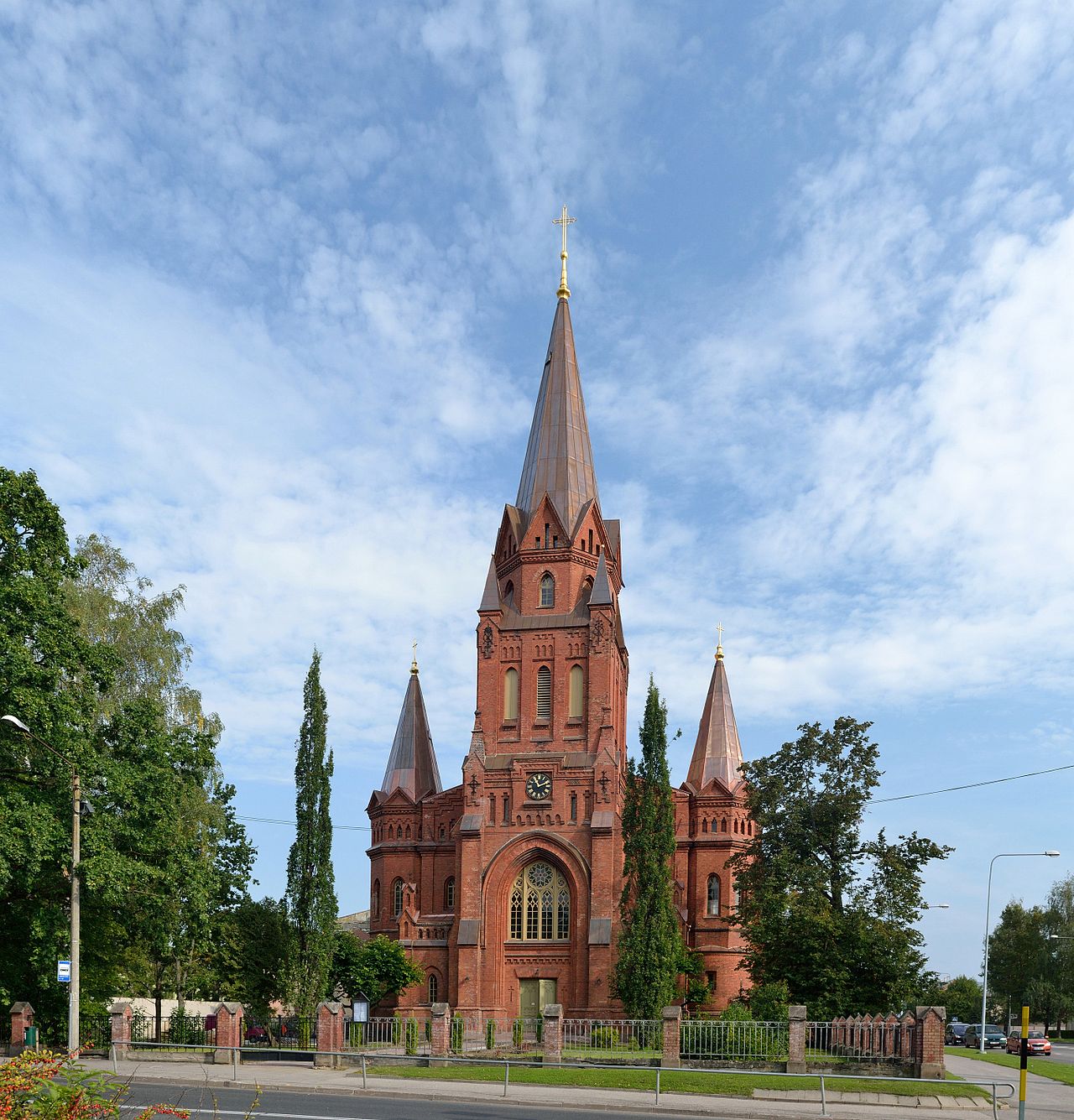
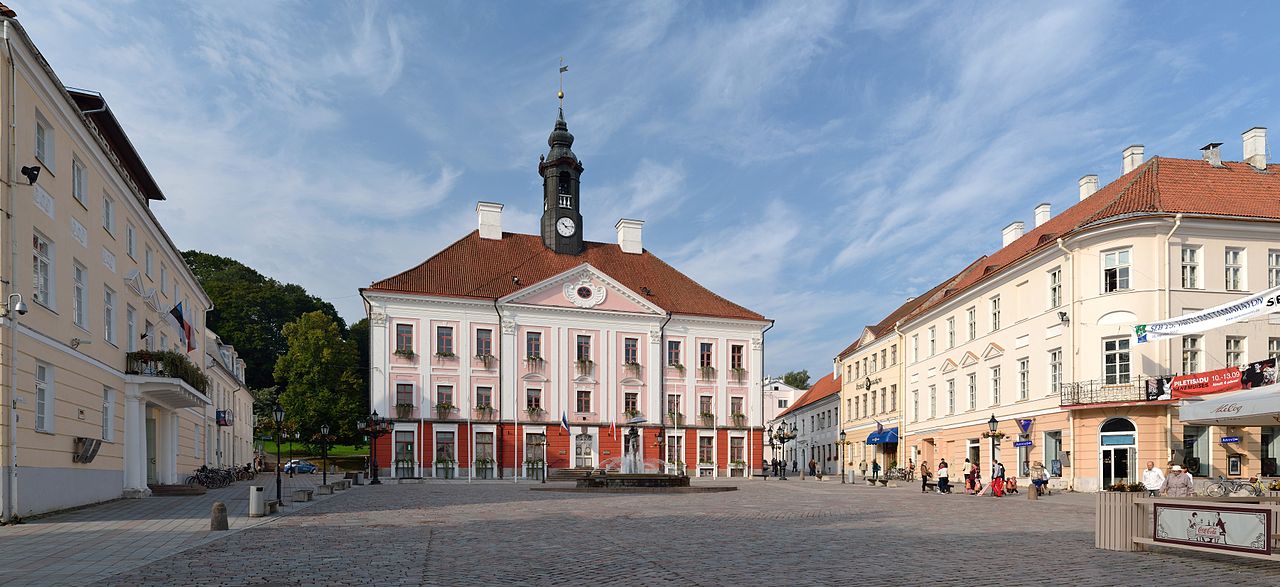
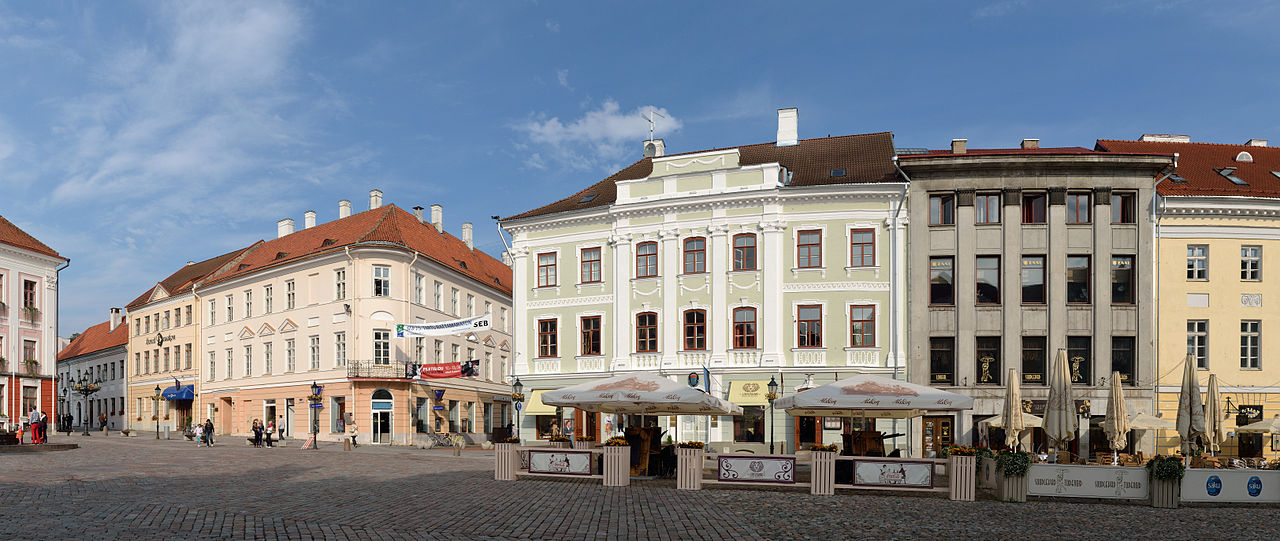
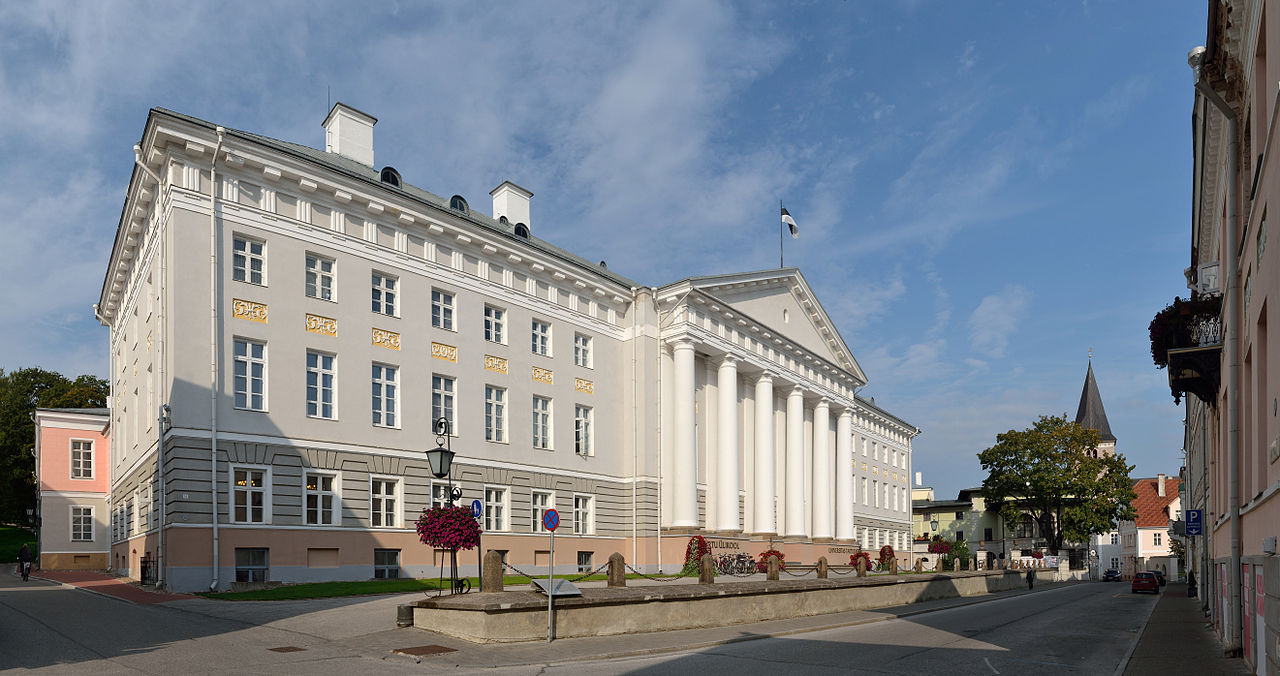
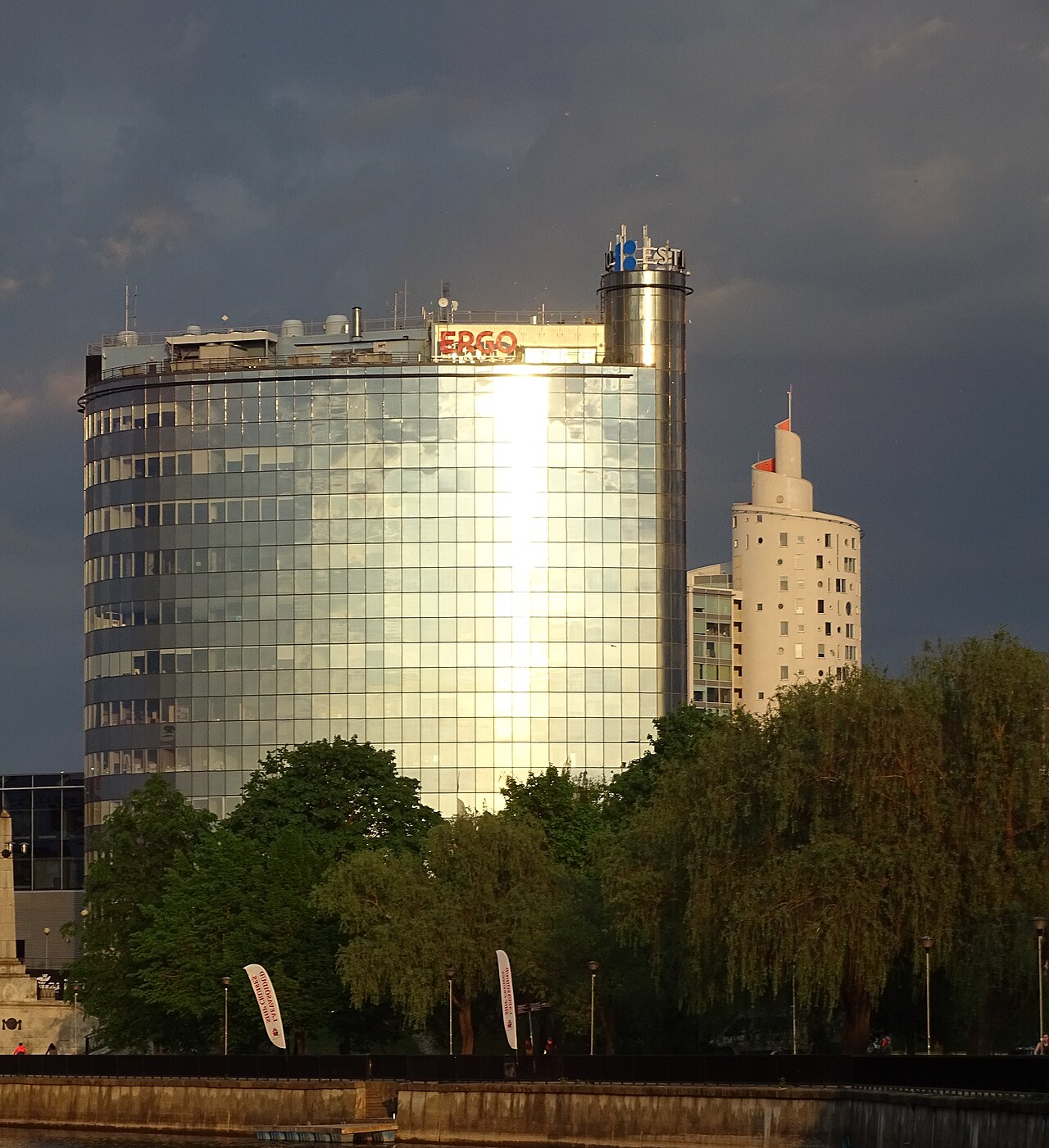
Visitors and residents encounter a mix of civic squares, university buildings, museums, and green spaces. Notable sites include the university's historic main building and auditorium, the cathedral ruins on Toome Hill, the Town Hall Square with its fountains and statues, and the national and local museums that preserve regional culture. Public parks, riverside promenades, and a network of cultural venues add to the city's appeal.
Economy, transport, and distinctiveness
Tartu functions as a regional economic center with strengths in education, research, healthcare, public administration, and creative industries. It maintains transport links by road and rail to other Estonian cities, and its compact center supports cycling and pedestrian life. Often described as Estonia's intellectual capital, Tartu is known for its concentration of scholars, cultural organizations, and civic initiatives.
Quick facts and offerings
- Prominent university and research institutions fostering innovation and cultural programming.
- Historic urban core with museums, galleries, and public events drawing tourists and students.
- Active student population that shapes nightlife, festivals, and local services.
Tartu remains a crossroads of history and contemporary life, balancing its role as a guardian of Estonian heritage with ongoing innovation in education and culture. For more detailed resources and official information, consult local municipal and academic sites.
Related articles
Author
AlegsaOnline.com Tartu — Estonia's historic university city Leandro Alegsa
URL: https://en.alegsaonline.com/art/96443
Sources
- siseministeerium.ee : "Eesti elanike arv KOV"
- commons.wikimedia.org : Tartu