
Tarija Department (Bolivia)
Tarija is a southern Bolivian department known for its temperate valleys, wine production, natural gas reserves and cultural links with the Gran Chaco and Argentina; its capital is Tarija city.
Overview
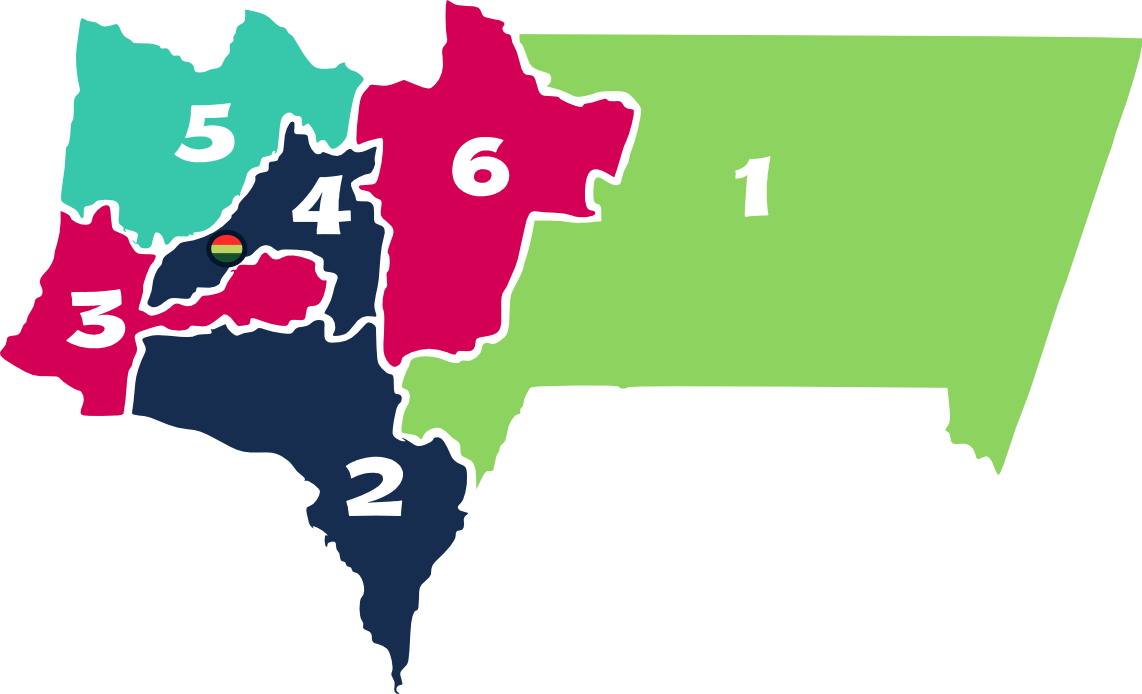
The Tarija Department occupies a portion of southern Bolivia and is distinguished by varied landscapes, a temperate valley climate in its western highlands and lowland plains to the east. Its administrative capital, Tarija, is often admired for its tree-lined streets, colonial architecture and a strong local wine and viticulture tradition.
Image gallery
6 Images


Geography and environment
Tarija stretches from Andean foothills down to parts of the Gran Chaco plain. Elevation gradients create distinct ecological zones: cooler valleys with productive agriculture, transitional forests and semi-arid lowlands. This variety supports diverse flora and fauna and shapes land use patterns, from vineyards and orchards to cattle ranching and dryland farming.
History and cultural identity
The region was inhabited by indigenous groups prior to Spanish colonization and later integrated into colonial administrative structures. Over time Tarija developed a mixed cultural identity influenced by Andean, Amazonian and Gran Chaco traditions, and by cross-border exchange with neighboring Argentina. Local celebrations often highlight agricultural cycles, especially grape harvest festivals.
Economy and notable products
Agriculture is central to Tarija's economy: grapes for wine and for bolivian distillates, fruit, olives and cattle are widely produced. The department is also important for hydrocarbon extraction, with natural gas fields in its lowland areas contributing to regional energy sectors. Tourism around wineries, scenic valleys and cultural festivals adds to economic diversity.
Administration, population and distinctions
Tarija is subdivided into provinces and municipalities that manage local services and development. Its population includes urban residents in the capital and rural communities with agricultural livelihoods. Notable distinctions include the department's reputation as Bolivia's principal wine-producing area and its strategic position on the southern frontier, which shapes trade and cultural ties with neighboring regions.
Further reading
- Regional climate and agricultural practices
- Viticulture and harvest festivals in Tarija
- Role of hydrocarbon development in the local economy
Related articles
Author
AlegsaOnline.com Tarija Department (Bolivia) Leandro Alegsa
URL: https://en.alegsaonline.com/art/96398
Sources
- cia.gov : "The World Factbook"