
Tarn-et-Garonne
Tarn-et-Garonne is a department in southwestern France, in the Occitanie region. Its prefecture is Montauban; the area is defined by the Garonne and Tarn rivers and a mix of agricultural plains and historic towns.
Overview
Tarn-et-Garonne is an administrative department in southwestern France. It belongs to the larger Occitanie territorial region and takes its name from two principal rivers, the Garonne and its tributary the Tarn. The department's prefecture and largest city is Montauban, a centre of administration, culture and commerce. For official departmental information see department portal and for national context consult France overview.
Geographically, Tarn-et-Garonne occupies a transitional zone between the Aquitaine plain and the limestone plateaus of southern France. The landscape includes river valleys, fertile agricultural plains, and rolling hills. Major waterways and features are often mapped in regional guides such as the Tarn river resources and the Garonne river network, while broader regional planning is referenced through Occitanie and regional administration.
Image gallery
10 Images


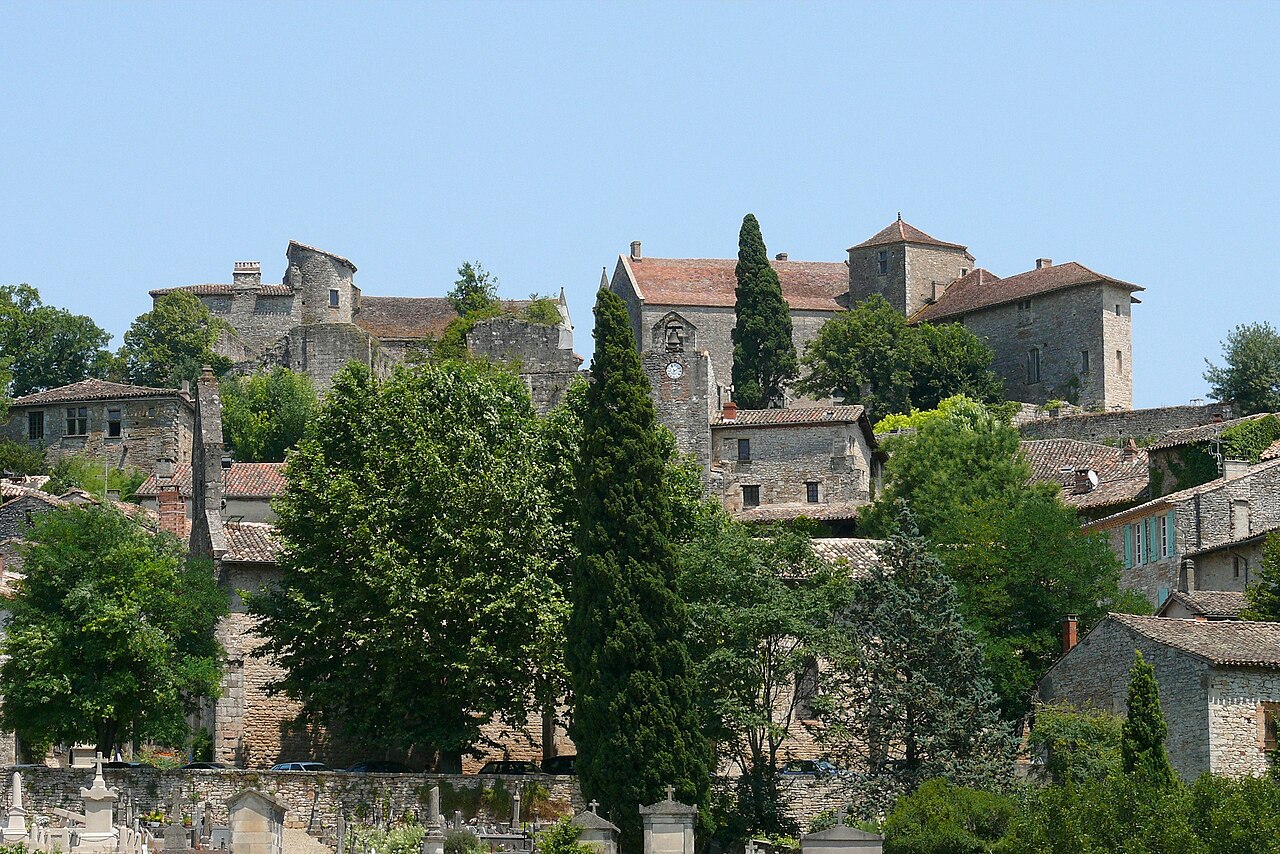


History and development
The department was created during the administrative reorganizations of the French Revolution and later adjustments in the 19th century shaped its present boundaries. Its towns grew around medieval fortifications, river trade and agricultural markets. Montauban developed a distinctive architectural and civic identity that remains visible in its historic centre; more information about the prefecture is available at prefecture details and local cultural resources often point to Montauban city information.
Economy, culture and tourism
The local economy mixes agriculture (fruit, vegetables, cereals, and horticulture), small industry, and tourism. Visitors are drawn to riverside villages, market towns, and heritage sites including Romanesque churches and fortified bastides. Outdoor activities such as canoeing, cycling and rural countryside walks are popular along the Garonne and Tarn corridors.
Notable facts
- Administrative seat: Montauban.
- Two main rivers give the department its name and shape much of its land use.
- Part of the modern Occitanie region with cultural links to Occitan language and traditions.
Tarn-et-Garonne is valued for its mixed landscapes, historic towns and a rural way of life that remains accessible from larger urban centres in southwestern France.
Questions and answers
Q: Where is Tarn-et-Garonne located?
A: Tarn-et-Garonne is located in the southwest of France.
Q: What region is Tarn-et-Garonne in?
A: Tarn-et-Garonne is in the Occitanie region.
Q: What is Tarn-et-Garonne named after?
A: Tarn-et-Garonne is named after the Garonne river and its tributary Tarn.
Q: What is the prefecture and largest city of Tarn-et-Garonne?
A: The prefecture and largest city of Tarn-et-Garonne is Montauban.
Q: What is the significance of the Garonne river and its tributary Tarn?
A: Tarn-et-Garonne is named after the Garonne river and its tributary Tarn.
Q: What is the economy of Tarn-et-Garonne like?
A: The text does not provide information on the economy of Tarn-et-Garonne.
Q: What are some notable landmarks or attractions in Tarn-et-Garonne?
A: The text does not provide information on notable landmarks or attractions in Tarn-et-Garonne.
Related articles
Author
AlegsaOnline.com Tarn-et-Garonne Leandro Alegsa
URL: https://en.alegsaonline.com/art/96405
Sources
- ledepartement.fr : "Christian Astruc, Président of du département"
- insee.fr : "Département de Tarn-et-Garonne (82) - Résumé statistique"
- insee.fr : "Populations légales 2014 des départements et des collectivités d'outre-mer"
- archivesdefrance.culture.gouv.fr : "Création du département de Tarn-et-Garonne"
- splaf.free.fr : "Historique de Tarn-et-Garonne"
- peakbagger.com : "Puech des Carts-Sommet Nord, France"
- weatherbase.com : "Montauban, France - Köppen Climate Classification"
- insee.fr : "Département du Tarn-et-Garonne (82)"
- insee.fr : "Régions, départements, arrondissements, cantons et communes"
- legifrance.gouv.fr : "Décret n° 2014-273 du 27 février 2014 portant délimitation des cantons dans le département de Tarn-et-Garonne"
- habitants.fr : "Tarn-et-Garonne (82)"