
Tamgaly — Petroglyph site in Kazakhstan
Tamgaly is a region in Kazakhstan famous for extensive rock carvings. A UNESCO World Heritage site, it preserves petroglyphs spanning millennia and illustrates ritual, pastoral and astronomical themes.
Overview
Tamgaly is a well‑known archaeological and rock‑art area in Kazakhstan, celebrated for thousands of petroglyphs carved into open rock faces. The site is recognized by UNESCO for its exceptional concentration of images that record long‑term cultural activity on the steppe. Many visitors approach the site as both a cultural monument and a landscape of enduring sacred meaning.
Image gallery
10 Images





Location and setting
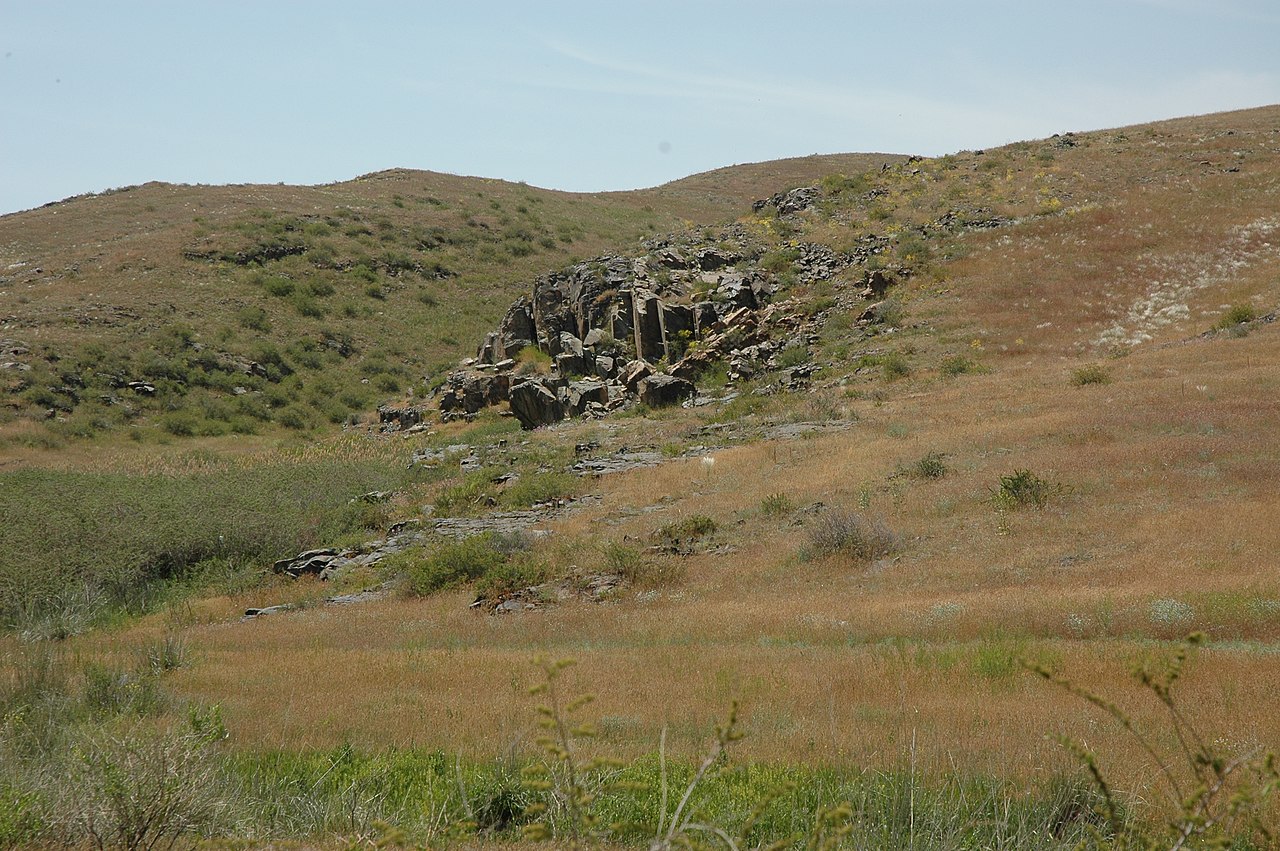
The carvings are found in a semi‑arid valley beside seasonal watercourses and shallow basins, linked in local descriptions with a lake-like depression often referred to as Tamgaly. The area lies within the modern state of Kazakhstan and sits in an open, rolling steppe environment where moving herds and nomadic lifeways left visible marks on rock and memory.
Characteristics of the petroglyphs
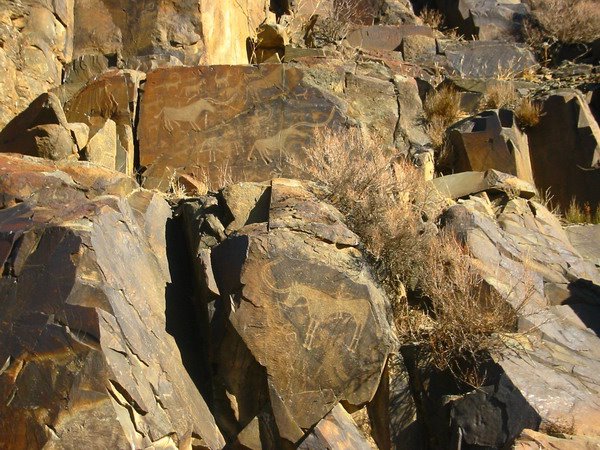
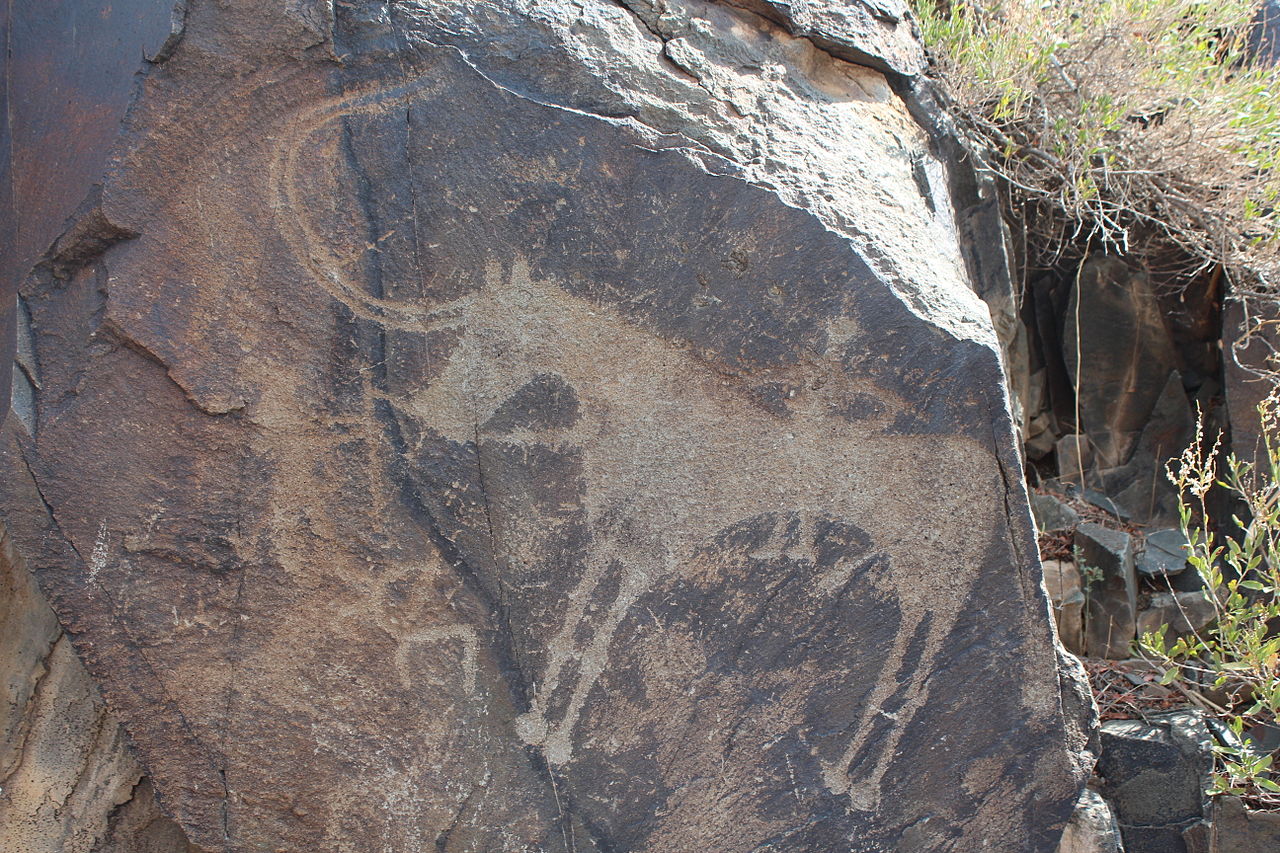
Carved into boulders and cliff faces, the images range from simple geometric signs to detailed scenes showing humans, animals, chariots and ritual gatherings. Scholars attribute many panels to the Bronze Age and later eras; the designs appear to record both everyday activities and ceremonial or cosmological ideas.
Motifs and meanings
- Wild and domestic animals — deer, ibex, horses — reflecting hunting and pastoral economies.
- Human figures in procession or ritual poses, sometimes with weapons or instruments.
- Astral and geometric signs that may indicate calendrical or sacred symbolism.
History of research and significance
Archaeologists and art historians have studied Tamgaly for its long sequence of images that illuminate steppe beliefs, social relations and movement across seasons. The assemblage is frequently used as evidence for early ritual centers in Central Asia and for connections between pastoral societies over large distances.
Conservation and access
As a protected heritage place, Tamgaly faces common challenges: weathering, visitor impact and occasional vandalism. Conservation efforts balance public access with measures to document, monitor, and limit damage. Responsible visitation and continued research are emphasized to preserve the petroglyphs for future study and for their cultural importance.
Further reading and visits
Those seeking introductions and official guidance can consult heritage authorities and site literature; many resources and interpretive materials are available through institutional partners and conservation programs. For official listings and summaries see links associated with the site and heritage organizations such as UNESCO.
Related articles
Author
AlegsaOnline.com Tamgaly — Petroglyph site in Kazakhstan Leandro Alegsa
URL: https://en.alegsaonline.com/art/96197