
Tallahassee, Florida: capital, history, universities, and civic profile
Overview of Tallahassee, Florida: its role as state capital, origins, geography, economy, major institutions (FSU and FAMU), landmarks, and notable civic and cultural features.
Overview
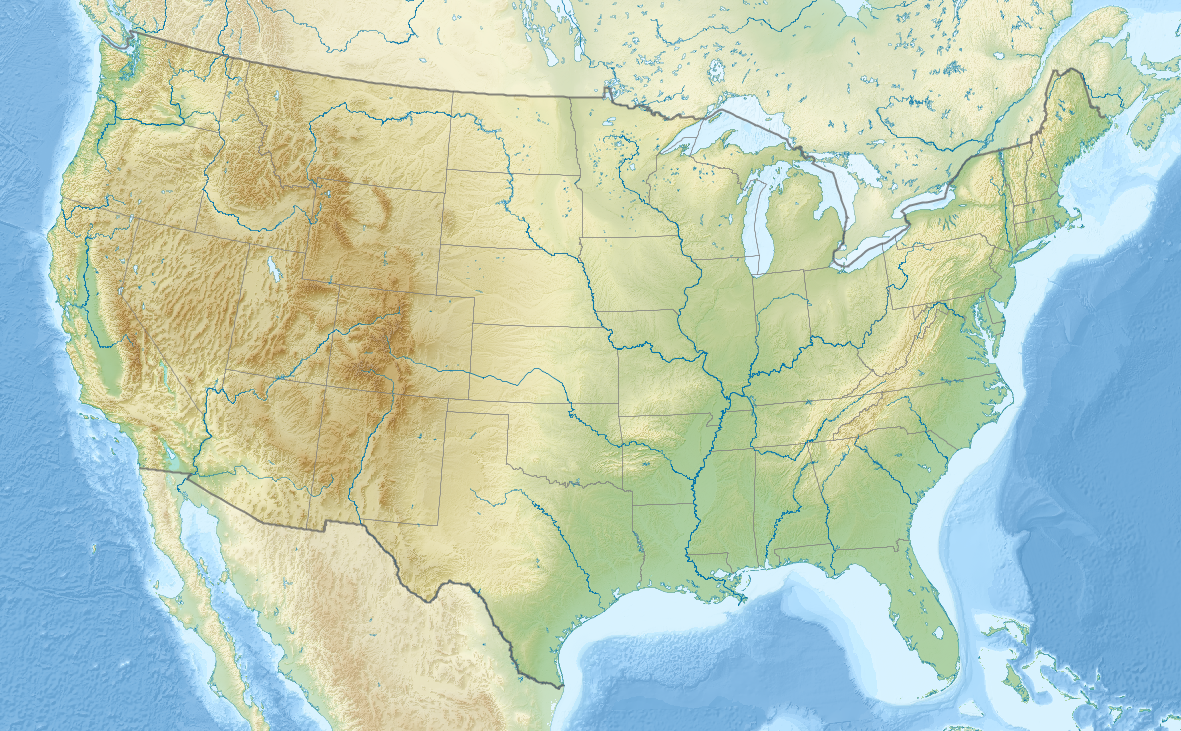
Tallahassee is the capital city of the U.S. state commonly known as Florida and serves as the county seat of Leon County. It functions as a regional center for government, higher education, and culture in the northern Florida Panhandle. The city is home to roughly 193,000 residents as of the 2020 census and sits inland rather than on Florida’s coast. The municipal identity combines a state government presence with two large universities and a variety of parks, museums, and civic institutions. For official state matters see state capital information, and for basic context about the state see Florida and Florida overview.
Image gallery
10 Images




Origins and early history
The name Tallahassee derives from words of the Apalachee people, often rendered as talwa (town) and ahassee (old), a reminder of the area’s Indigenous habitation. The community that became Tallahassee was selected to host territorial and then state government meetings in the 1820s as a practical halfway point between the colonial centers of St. Augustine and Pensacola. Delegates who once traveled long distances by sea and overland to meet the Legislative Council prompted the choice of an inland meeting place; the decision and subsequent sessions established the town’s role as political center. During the 1820s a large land grant associated with the return visit of the Revolutionary War hero the Marquis de Lafayette included acreage that overlaps present-day Tallahassee. The first simple capitol structures gave way, over time, to more permanent masonry and eventually to the modern complex that now anchors state government.
Government buildings and preservation
The city’s skyline prominently features a modern high-rise Capitol completed in the 1970s, a 23-story building designed by architect Edward Durell Stone; it stands among the taller state capitol buildings in the United States. The previous 19th-century Capitol was spared demolition and now operates as a historic museum and interpretive site illustrating Florida’s political past. The decision to preserve and reuse the older building has become a notable example of adaptive preservation in a city shaped by its role as a working capital. Readers interested in architectural context may consult sources on the architect Edward Durell Stone and listings of state capitol buildings comparative capitols.
Geography, climate, and urban character
Situated inland in the Florida Panhandle, Tallahassee occupies a landscape of rolling hills, spring-fed creeks, and mixed hardwoods rather than the flat coastal plains more typical of the peninsula. The climate is humid subtropical, with warm summers and mild winters, which supports broad tree canopies and several long, scenic canopy roads that are distinctive to the region. The city’s layout reflects its dual identity as a seat of government and a collegiate town, with neighborhoods, research parks, and green spaces interwoven around campuses and state offices.
Higher education, economy, and civic life
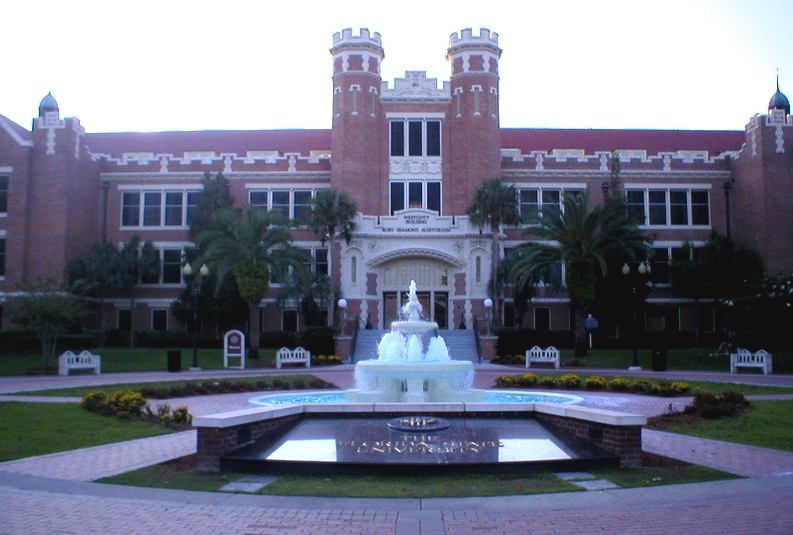
A major portion of Tallahassee’s economy and cultural life centers on higher education. The city hosts two large institutions: Florida State University, a large public research university, and Florida A&M University, a historically Black university with a strong tradition in education and public service. State government employees, higher-education staff and students, health care, and supporting professional services form the backbone of the local economy. Research centers, libraries, and arts programs connected to the universities contribute to the city’s civic activities, public lectures, and cultural festivals.
Civic attractions and notable features
Tallahassee offers a mix of civic, recreational, and historic attractions. Key points of interest include the preserved Old Capitol and the newer Capitol complex, state museums that interpret Florida history, and public parks that host community events. The city has museums and cultural venues tied to its universities and local historical societies. Outdoors amenities range from urban parks to trails along creeks and managed natural areas. Nearby coastal and estuarine environments are within driving distance, linking the city to a broader regional ecology.
Distinctive facts and relevance
- Name and heritage: The name reflects Native American origins and an early Indigenous presence in the region.
- Capital function: Tallahassee’s selection as the capital in the territorial era shaped its subsequent growth and institutions.
- Academic hub: The coexistence of a major research university and a prominent historically Black university gives the city particular educational and cultural importance in Florida and the Southeast.
- Architecture and preservation: The juxtaposition of a modern capitol tower and a preserved 19th-century capitol museum highlights local approaches to history and civic architecture.
For local travelers and those studying state government or Southern urban centers, Tallahassee exemplifies how a mid-sized American city can combine administrative responsibility, higher education, and regional culture. For further regional orientation, historical references point to colonial capitals such as St. Augustine and Pensacola, which help explain Tallahassee’s selection as a compromise site during the early 19th century.
Related articles
Author
AlegsaOnline.com Tallahassee, Florida: capital, history, universities, and civic profile Leandro Alegsa
URL: https://en.alegsaonline.com/art/96142
Sources
- www2.census.gov : "2016 U.S. Gazetteer Files"
- geonames.usgs.gov : "US Board on Geographic Names"
- factfinder2.census.gov : "American FactFinder"
- census.gov : "Population Estimates"
- quickfacts.census.gov : "Tallahassee (city) Quick Facts from the U.S. Census Bureau"
- commons.wikimedia.org : Tallahassee, Florida