
Florida A&M University (FAMU)
Public historically Black university in Tallahassee founded in 1887. FAMU awards undergraduate, graduate, and professional degrees, maintains a main campus near the State Capitol and several regional centers across Florida.
Overview
Florida A&M University (commonly FAMU) is a public, historically black institution founded in the late 19th century and located in Tallahassee, Florida. Officially named Florida Agricultural and Mechanical University, FAMU opened on October 3, 1887, and grew from its original mission of teacher preparation and vocational training into a comprehensive university. It is regarded as one of the larger historically black universities in the United States by enrollment and scope of programs.
Image gallery
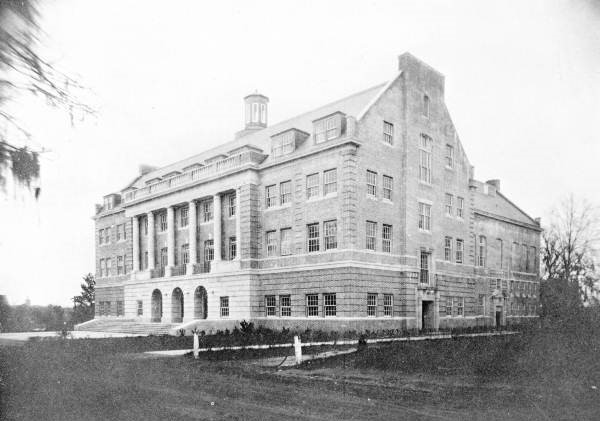
10 Images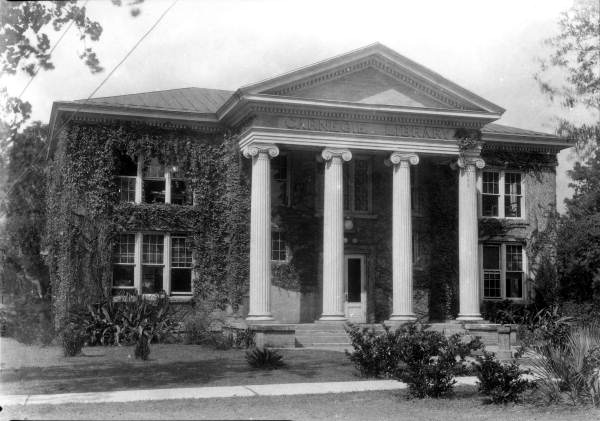



History
The university was established during the Reconstruction era to expand educational opportunities for African Americans in Florida. Early curricula emphasized agriculture, mechanics, and teaching. Over time the institution added broader liberal arts and professional programs, graduate study, and research activities. The campus is traditionally described as being located on the highest of Tallahassee's seven hills, a detail often noted in institutional histories and local accounts.
Academics
FAMU awards bachelor's, master's and doctoral degrees across a range of fields. Academic organization spans distinct colleges and schools covering arts and sciences, business, engineering, education, journalism and communications, pharmacy and health sciences, and law, among others. Programs mix classroom instruction with laboratory work, professional internships and community engagement. The university supports research centers and institutes that address regional needs and scholarly inquiry.
- Undergraduate curricula encompass liberal arts, sciences, engineering and professional majors.
- Graduate and professional programs prepare students for careers in health care, law, education, business and technology.
- Research centers focus on areas such as public health, STEM education, agricultural sciences and policy outreach.
Campus and regional centers
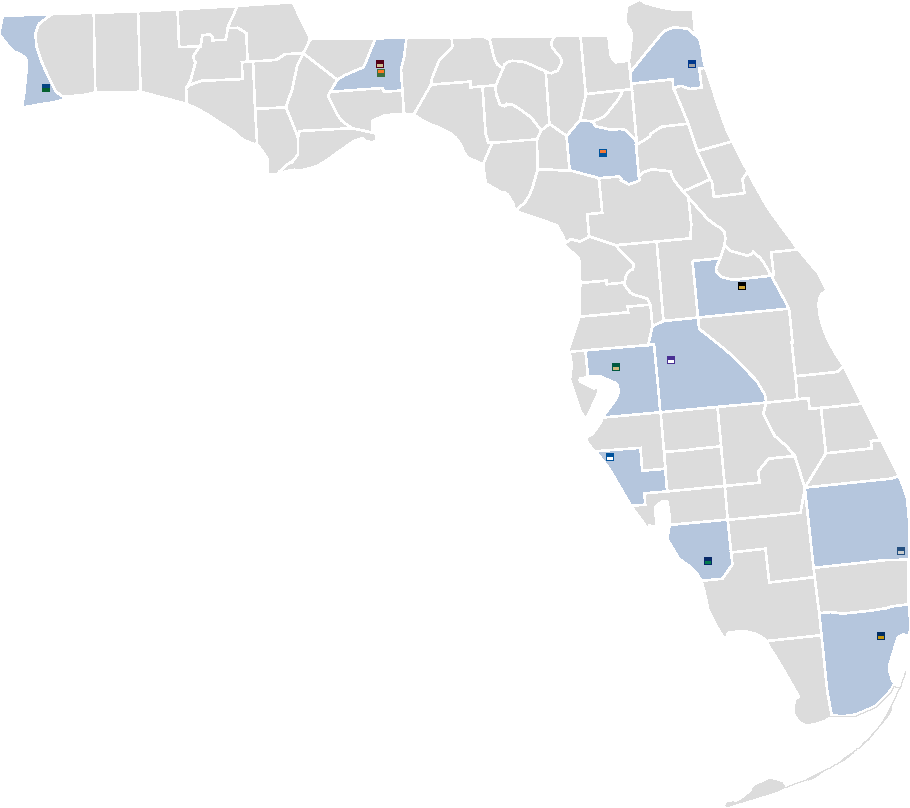
FAMU's principal campus is in Tallahassee and the main campus sits near Florida's State Capitol and adjacent to the campus of Florida State University, which allows for occasional academic and cultural collaborations. To broaden access, the university maintains instructional and outreach locations in several Florida cities, serving nontraditional and commuting students. Regional centers and partnerships include sites in Orlando, Miami, Jacksonville, Tampa and Crestview, where selected degree programs and continuing education offerings are delivered.
Student life and traditions
Student life at FAMU combines academic organizations, cultural groups, fraternities and sororities, and volunteer service. The university has notable traditions that contribute to campus identity, including a highly regarded marching band and public events that draw alumni and community members. Athletics teams known as the Rattlers compete in intercollegiate sports and play a visible role in student activities and alumni engagement.
Research, service and community impact
As a public research university with historical roots in land-grant and agricultural instruction, FAMU emphasizes applied research, outreach and workforce development. Faculty and students participate in projects addressing public health, STEM education, entrepreneurship, environmental stewardship and agricultural productivity. Extension activities and community partnerships are part of the university's mission to serve state and regional needs.
Governance, accreditation and admissions
FAMU is governed by a university administration and board structure consistent with public university practice in the United States. Its academic programs are subject to accreditation and professional review where applicable; prospective students are encouraged to consult the university for current admissions criteria, program accreditation and application deadlines. The university offers a range of financial aid options and support services to promote access and student success.
Significance and notable outcomes
Over more than a century, FAMU has educated large numbers of professionals, educators, scientists and public servants, particularly from the African American community. Its combination of historic legacy, diverse academic offerings, statewide outreach centers and distinctive cultural traditions make it a prominent institution within Florida higher education. Many alumni have pursued leadership roles in fields such as medicine, law, education, government and the arts.
Questions and answers
Q: What is the full name of Florida A&M University?
A: The full name of Florida A&M University is Florida Agricultural and Mechanical University.
Q: When did FAMU open?
A: FAMU opened on October 3, 1887.
Q: Where is the main campus located?
A: The main campus of FAMU is located in Tallahassee, close to the State Capitol and the campus of Florida State University.
Q: How many campuses does FAMU have?
A: FAMU has six campuses in total - one main campus in Tallahassee, as well as campuses in Orlando, Miami, Jacksonville, Tampa and Crestview.
Q: What type of degrees does FAMU offer?
A: FAMU offers bachelor's, master's and doctorate degrees.
Q: Is FAMU a public or private university?
A: FAMU is a public university.
Q: Is it one of the largest historically black universities in the United States? A: Yes, it is one of the largest historically black universities in terms of number of students enrolled.
Related articles
Author
AlegsaOnline.com Florida A&M University (FAMU) Leandro Alegsa
URL: https://en.alegsaonline.com/art/35204
Sources
- chronicle.com : "Sortable Table: College and University Endowments, 2013–14"
- huffingtonpost.com : "Largest Historically Black Colleges (PHOTOS)"
- nrhp.focus.nps.gov : "National Register Information System"
- aiaflatop100.org : "Florida Architecture: 100 Years. 100 Places"