
Takijirō Ōnishi
Japanese vice-admiral (1891–1945) of the Imperial Japanese Navy, often called the father of the kamikaze for organizing Special Attack Units late in World War II.
Takijirō Ōnishi (大西瀧治郎, 2 June 1891 – 16 August 1945) was a vice-admiral in the Imperial Japanese Navy whose name is closely associated with the creation of Japan's Special Attack Units in the final year of World War II. In Japanese naming conventions the family name comes first; see Japanese name order, the reading Ōnishi Takijirō and the family name Ōnishi for background.
Image gallery
5 Images


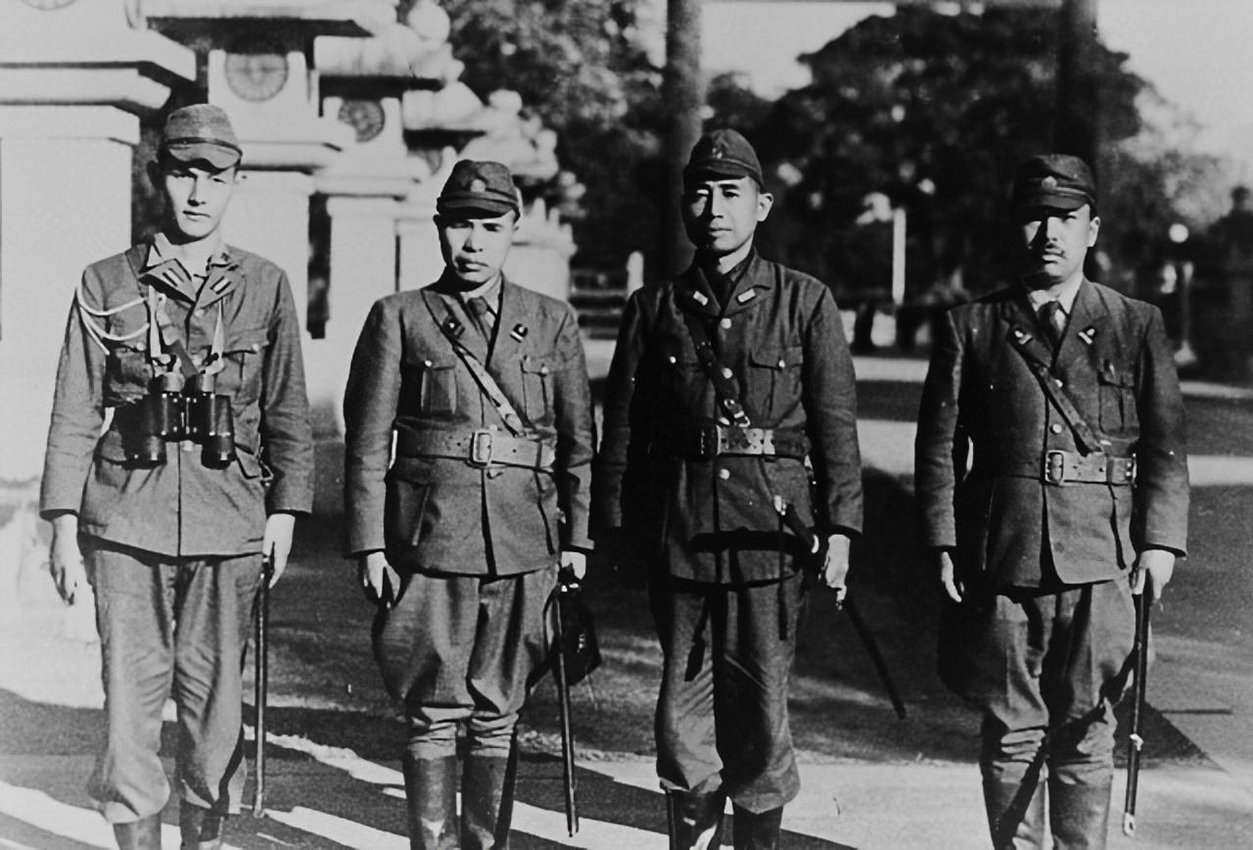
Naval career and responsibilities
Ōnishi was a career naval officer who rose through the Imperial Japanese Navy's aviation and administrative branches to senior command. As the war turned against Japan he was placed in positions responsible for naval air operations and training. His duties increasingly focused on ways to maximize the effectiveness of a shrinking fleet of aircraft and pilots as Allied forces advanced across the Pacific and toward the Japanese home islands.
Special Attack Units and doctrine
Facing overwhelming material disadvantages, Ōnishi advocated and helped organize organized special-attack tactics that deliberately employed aircraft against enemy ships. These operations, widely known in the English-speaking world as "kamikaze," were intended to inflict disproportionate damage through sacrificial attacks. The program grew rapidly in late 1944 and 1945 as Japan sought to slow Allied operations at great human cost.
- Association: closely linked to the Imperial Japanese Navy organization.
- Context: developed during World War II conflict.
- Label: often described as the father of the kamikaze term.
After Japan announced its surrender in August 1945, Ōnishi died by suicide on 16 August. His actions and the program he helped organize remain subjects of study and debate among historians, military scholars and those examining wartime ethics and national memory. His legacy is entwined with the desperate measures adopted in a collapsing wartime system and the human consequences of those choices.
Related articles
Author
AlegsaOnline.com Takijirō Ōnishi Leandro Alegsa
URL: https://en.alegsaonline.com/art/96070