
Talking Book — Stevie Wonder album
Talking Book is a landmark 1972 album by Stevie Wonder, notable for its innovative use of synthesizers, the hits "Superstition" and "You Are the Sunshine of My Life," and its influence on soul and funk.
Talking Book is the fifteenth studio album by Stevie Wonder. It was issued on October 28, 1972 on the Tamla label. Following the creative breakthrough represented by Music of My Mind, this record consolidated a new period of artistic control in which Wonder wrote, produced and performed much of the material himself. The album is documented in many music histories under the entry Talking Book.
Image gallery
2 Images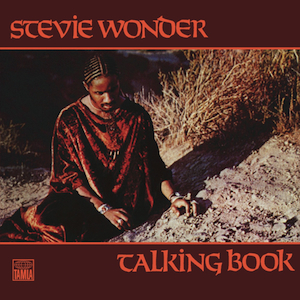

Recording and production
Sessions for the album took place during a highly productive phase. Wonder took advantage of multitrack recording to overdub vocals and instruments, and he embraced early electronic keyboards and synthesizers to expand his tonal palette. The result blended organic rhythm-section playing with emerging electronic textures, and it emphasized concise songcraft as much as studio experimentation.
Musical style and instruments
The sound of Talking Book mixes soul, funk, pop and intimate balladry. Prominent elements include rhythmic clavinet lines, electric keyboards, layered vocal harmonies and inventive synth tones. These choices gave the record a modern sheen while retaining strong roots in R&B traditions. Instrumental performances by Wonder himself are a defining feature: he sang lead, arranged parts and played many keyboard and percussion parts.
Notable tracks
- "Superstition" — a driving funk single built around a memorable clavinet riff; it became one of Wonder's most widely known songs.
- "You Are the Sunshine of My Life" — a tender pop-soul ballad showcasing melodic warmth and simple, direct lyrics.
- Other album tracks range from uptempo grooves to reflective numbers that display varied lyrical concerns, from love to social observation.
Release, reception and legacy
On release the album met with both popular and critical success, further establishing Wonder's reputation as a singer-songwriter and studio innovator. Critics highlighted the combination of strong melodies with forward-looking production. Over time, Talking Book has been cited as a landmark recording in 1970s soul and R&B, influential for its integration of synthesizers into mainstream black popular music and for demonstrating the creative possibilities of artist-led production.
Influence and context
Talking Book sits within a sequence of early-1970s albums that marked Stevie Wonder's classic period. Its approach to arrangement and texture influenced subsequent soul, funk and pop records, and it remains a frequent point of reference for musicians and producers exploring the use of keyboards and layered vocal arrangements. For further context, readers often compare it with Music of My Mind and other contemporaneous works documented in discussions of Wonder's career.
For official discography entries and more details about song credits and session personnel, consult the album listing Talking Book and related resources on the artist Stevie Wonder. Contemporary reviews and later retrospectives also discuss individual singles and their chart impact in the early 1970s.
Additional reading and annotated track listings are available through album-focused texts and music reference sites; see dedicated entries for the album (Talking Book) and for the single "Superstition" for more on release history and legacy.
Questions and answers
Q: Who released the album Talking Book?
A: Stevie Wonder released the album Talking Book.
Q: When was the album Talking Book released?
A: The album Talking Book was released on October 28, 1972.
Q: How many albums did Stevie Wonder release in 1972?
A: Stevie Wonder released two albums in 1972, namely Music of My Mind and Talking Book.
Q: What is the significance of the album Talking Book?
A: The album Talking book is known for its hit song "Superstition."
Q: What is the genre of the album Talking Book?
A: The genre of the album Talking Book is soul and funk.
Q: Who released the album Music of My Mind?
A: Stevie Wonder released the album Music of My Mind.
Q: What was the name of Stevie Wonder's fifteenth album?
A: The name of Stevie Wonder's fifteenth album was Talking Book.
Related articles
Author
AlegsaOnline.com Talking Book — Stevie Wonder album Leandro Alegsa
URL: https://en.alegsaonline.com/art/96137
Sources
- allmusic.com : "Stevie Wonder > Album Discography > AllMusic"