
Take That
English pop group formed in Manchester in 1989; known for hit singles, large-scale tours, and lineup changes including Robbie Williams. Successful comeback from 2006 onward and lasting influence on British pop.
Overview
Take That are an English pop group that emerged from Manchester in 1989. Initially marketed as a boy band, they combined pop songwriting with dance routines and close vocal harmonies. During their first run, through to a split in 1996, they achieved major chart success in the United Kingdom and several other countries. After a hiatus they reformed in the mid-2000s and have sustained a second era of commercial and critical recognition, staging arena and stadium tours and releasing multiple well-received studio albums. Over the course of their career the group has sold tens of millions of records worldwide (record sales).
Image gallery
10 Images

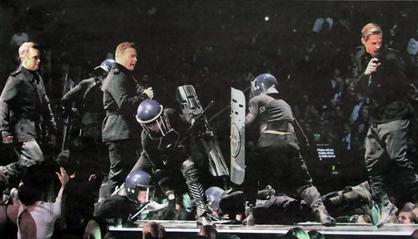


Members and line-up changes
The classic line-up consisted of Gary Barlow, Mark Owen, Howard Donald, Jason Orange and Robbie Williams. Gary Barlow emerged as the principal songwriter and one of the lead vocalists. Robbie Williams left during the 1990s to pursue a solo career and later rejoined briefly; his departures and occasional returns have been a recurring feature of the band's story. In September 2014 Jason Orange announced his departure, after which the core performing group continued as a trio of Barlow, Owen and Donald.
Musical style and image
Musically, Take That moved from upbeat pop and dance-oriented tracks toward more mature pop and ballad-driven material as their career progressed. Early work emphasized choreography, youth-oriented image and catchy hooks; later albums showed more emphasis on songwriting, layered production and orchestral touches. Gary Barlow's role as principal songwriter helped give the band a consistent melodic identity, while individual members contributed harmonies, occasional lead vocals and a visible stage persona.
Career development and notable phases
Their first phase, from formation through 1996, produced a string of hit singles and established them as one of the United Kingdom's most prominent pop acts of the era. After a decade-long absence from the recording spotlight, the remaining members reunited for a comeback that began in 2006 with a new album and large concert tours. Robbie Williams rejoined for a later project and tour before leaving again; he has continued to appear with the band on special occasions. Key studio albums across their career include early successes, a successful mid-2000s revival, and later releases that reflect the group as a three-piece. The band became known for both intimate theatre shows and large-scale stadium spectacles.
Notable songs, albums and tours
- Early signature singles such as memorable ballads and uptempo pop tracks that dominated UK charts.
- Comeback material in the 2000s that reintroduced them to a new generation and produced arena tours.
- Major tours that established their reputation as a live attraction, often featuring elaborate staging and large venues.
Legacy and distinctions
Take That helped shape the template for contemporary British pop acts by combining strong melodic songwriting with theatrical live shows. They have won major industry awards and have been credited with influencing later pop groups. The intermittent involvement of Robbie Williams and the departure of Jason Orange are among the more publicized personnel developments in the group's history. Originating in Manchester, the group remains a reference point for discussions of late-20th and early-21st century British pop music, notable for both their commercial reach and their ability to reinvent themselves across different eras.
While their sound and membership have shifted, Take That's combination of pop craftsmanship, large-scale live performance and career resilience has kept them prominent on the British music scene for decades. For further reading and discography details consult dedicated music resources and official band materials.
Questions and answers
Q: When did Take That form?
A: Take That formed in 1989.
Q: How many records did Take That sell between their formation and their breakup in 1996?
A: Take That sold 19 million records between their formation and their breakup in 1996.
Q: When did Take That reform?
A: Take That reformed in 2006.
Q: Who did Take That tour without when they reunited in 2006?
A: Take That toured without Robbie Williams when they reunited in 2006.
Q: When did Williams rejoin Take That?
A: Williams rejoined Take That in 2009.
Q: When did Williams first leave the group to focus on his solo career?
A: Williams first left the group to focus on his solo career in October of 2011.
Q: Who left Take That in September 2014, and what happened to the band as a result?
A: Jason Orange left Take That in September 2014 and the band became a 3 piece band as a result.
Related articles
Author
AlegsaOnline.com Take That Leandro Alegsa
URL: https://en.alegsaonline.com/art/96034