
Symphony of Destruction (Megadeth song)
A 1992 heavy metal song by American band Megadeth from the album Countdown to Extinction; noted for its memorable riff, political lyrics, and lasting presence in rock media and live sets.
Overview
"Symphony of Destruction" is a heavy metal song written and performed by the American band Megadeth. First released on the band's 1992 album Countdown to Extinction, the track quickly became one of Megadeth's best-known songs. Its accessible, mid-tempo structure and singable chorus helped it cross beyond the band's core thrash audience into wider rock radio and MTV rotation.
Image gallery
3 Images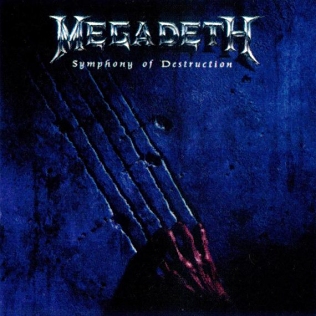


Composition and lyrics
The song is built around a simple but powerful guitar riff that repeats throughout, supporting verse–chorus sections and a concise guitar solo. Lyrically, the piece uses metaphor to examine themes of political manipulation, mass influence and how ordinary people can be led by powerful figures. The title evokes the idea of destructive forces arranged like movements of a symphony, blending musical form with social commentary.
Recording, release and credits
Written by Megadeth's principal songwriter, the track was recorded during sessions for the band's fifth studio album. Countdown to Extinction was later nominated for a Grammy Award for Best Metal Performance, and the song contributed significantly to that album's commercial breakthrough. For more on the recording and personnel, see the album notes and official band sources here.
Reception and cultural impact
Since its release, the song has remained a staple of Megadeth's live shows and a frequent selection on classic rock playlists. It has been covered by other artists and licensed in various media; notably, it was included in the popular video game series Guitar Hero, which introduced the track to a younger generation of players. Critics and fans often cite the song as an example of Megadeth balancing technical skill with memorable songwriting.
Notable facts and distinctions
- Often regarded as an entry point for new listeners to Megadeth's catalog because of its clear structure and hook.
- Serves as an example of early 1990s metal moving toward more mainstream production while retaining aggressive themes.
- Frequently appears on retrospective compilations and live albums documenting the band's career.
For listeners exploring the band's work, the song illustrates how a metal group can combine potent riffs, politically tinged lyrics, and concise arrangements to create a track with enduring popularity and influence in rock culture.
Related articles
Author
AlegsaOnline.com Symphony of Destruction (Megadeth song) Leandro Alegsa
URL: https://en.alegsaonline.com/art/95647
Sources
- megadeth.com : megadeth.com/discography.php?era_id=5
- associatedcontent.com : associatedcontent.com/article/30107/guitar_hero_a_ps2_game_for_the_whole.html?cat=19