
Symphony No. 94 in G major, 'Surprise' (Haydn)
Joseph Haydn's Symphony No. 94 in G major, nicknamed the 'Surprise', is a celebrated work from his London period, famous for a sudden fortissimo chord in the second-movement set of variations.
Overview
Symphony No. 94 in G major, commonly called the "Surprise" Symphony, is one of Joseph Haydn's most famous orchestral works. Composed during his first London visit, it belongs to the group known as the "London" or "Salomon" symphonies. The nickname comes from a sudden loud chord in the second movement that contrasts sharply with an otherwise gentle theme, a touch of humour that helped secure the work's popularity.
Image gallery
1 Image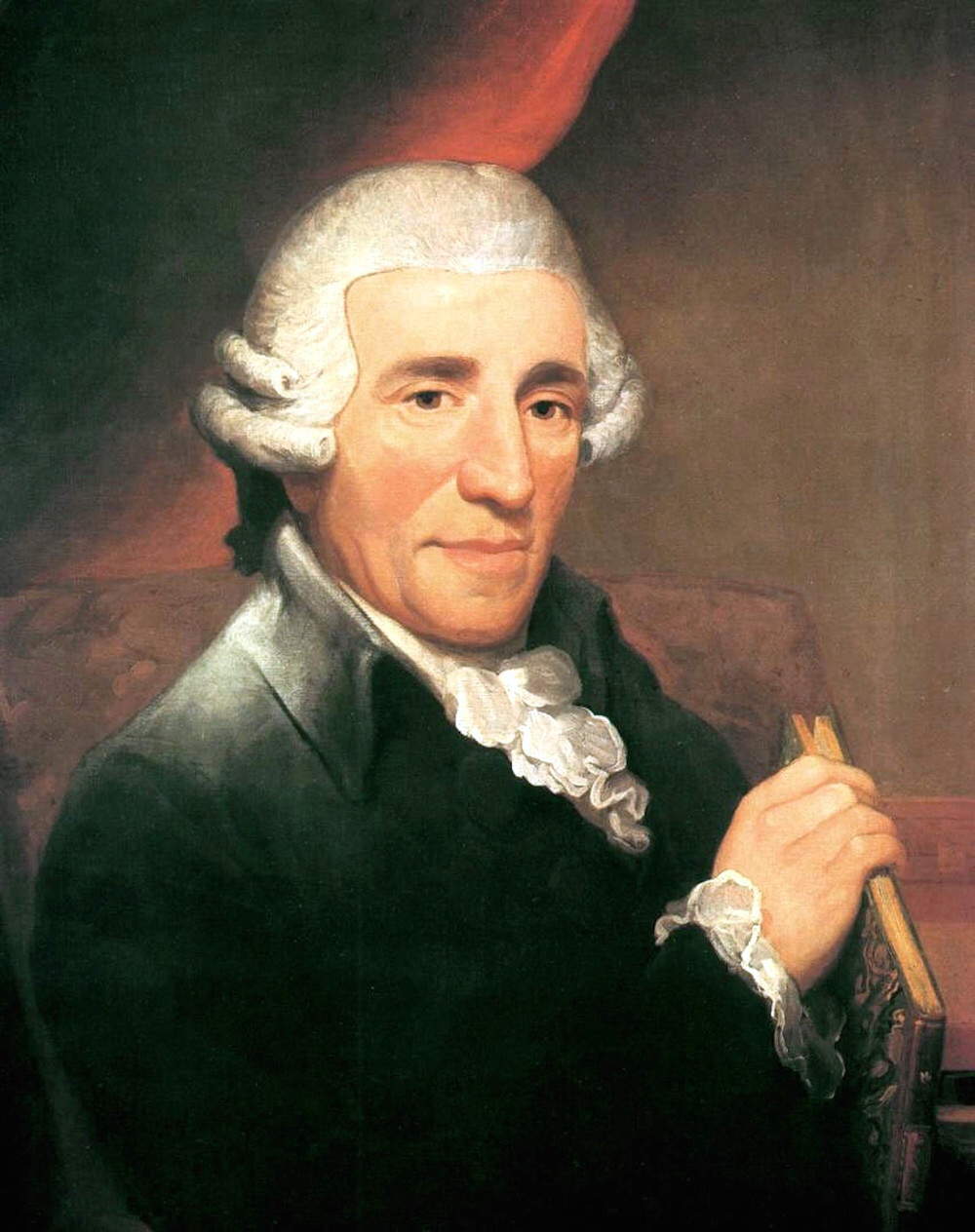
Movements and structure
The symphony follows the conventional four-movement layout of the Classical era, with clear sonata and variation forms and concise thematic material. The movements are often listed as:
- 1. Adagio — Vivace (opening slow introduction leading to a lively sonata section)
- 2. Andante (a theme and variations containing the famous surprise chord)
- 3. Menuetto: Allegretto (a graceful minuet and trio)
- 4. Finale: Allegro di molto (a brisk, spirited finale)
Historical context
Haydn premiered the symphony in London in March 1792 while directing concerts for audiences eager to hear his latest works. These visits were arranged by the impresario Johann Peter Salomon and introduced Haydn to large public concert settings outside the courtly environment he had long served. The "Surprise" Symphony quickly became one of the highlights of those programmes, admired both for its craftsmanship and its theatrical wit. For more about Haydn's life and career see Joseph Haydn and about the city where it premiered see London.
Musical characteristics
Haydn's writing displays economy and clarity: short motifs are developed with transparency, and textures alternate between soloistic and full ensemble passages. The second movement is a set of variations on a lyrical melody; most famously, one variation includes an abrupt, loud chord that breaks the movement's serenity. Haydn was known for such musical jokes and dramatic contrasts, using dynamics, orchestration and rhythmic surprise to engage listeners and to play with their expectations.
Reception and legacy
The dramatic chord in the Andante spawned many popular anecdotes—ranging from a deliberate device to wake dozing concertgoers to a quip aimed at eliciting a startled reaction from the audience. Whether intended as practical humour or marketing, the moment cemented the symphony's nickname and ensured its presence in concert repertory and recordings ever since. Today it remains a standard work for orchestras, frequently used in teaching to illustrate Classical forms, variation technique, and Haydn's characteristic wit.
Notable facts
- It is one of Haydn's most frequently performed symphonies and part of the set commissioned and presented in London concerts.
- The "surprise" chord is often cited as a signature example of Haydn's playful use of dynamics and audience interaction.
- While short and accessible on the surface, the symphony contains sophisticated variation writing and refined orchestral balance typical of Haydn's mature style.
Related articles
Author
AlegsaOnline.com Symphony No. 94 in G major, 'Surprise' (Haydn) Leandro Alegsa
URL: https://en.alegsaonline.com/art/95640