
Symphony No. 5 in C minor, Op. 67 (Beethoven)
Ludwig van Beethoven's Fifth Symphony in C minor, Op. 67 (1804–1808) is one of the best-known works in classical music, famed for its four‑note motif and dramatic four-movement design.
The Symphony No. 5 in C minor, Op. 67, by Ludwig van Beethoven is among the most immediately recognizable works in the Western concert repertory. Composed between 1804 and 1808 during his so-called "middle" or "heroic" period, it occupies a central place in classical music for its economy of material, dramatic contrasts and enduring popularity. The opening four‑note motif has become an emblem of the symphony itself.
Image gallery
9 Images


Structure and movements
The work follows the classical four-movement plan but pushes boundaries of scale and continuity. The standard sequence is presented below with common tempo and key headings:
- Allegro con brio (C minor) — the famous first movement built on the concise four-note idea (sonata principles).
- Andante con moto (A-flat major) — a theme-and-variations movement that provides lyrical contrast.
- Scherzo: Allegro (C minor) — darker, rhythmic material that leads directly into the finale (scherzo).
- Allegro (C major) — a triumphant, energetic finale that transforms the symphony from minor to major.
Notably the third movement is linked attacca to the fourth without a full pause, helping to create a sense of continuous drama and large-scale coherence. The first movement's brief rhythmic cell recurs in various guises and acts as a unifying idea throughout the work.
Historical context and premiere
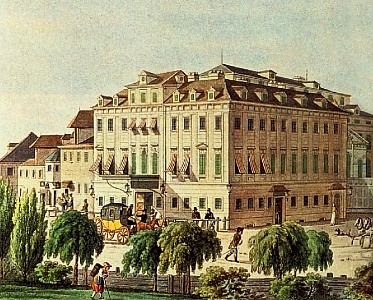
Beethoven composed the Fifth during a period of intense creative activity and increasing hearing loss. The symphony premiered at the Theater an der Wien in Vienna in 1808 at a long, cold, and notoriously chaotic concert that also introduced his Sixth Symphony; audiences and reviews were mixed at first, but the Fifth quickly became celebrated for its power and ingenuity. For more on the work's formal aspects and early reception see sources on its movements.
Orchestration, innovations and legacy
Scored for a classical-sized orchestra with expanded brass and woodwind roles and active timpani, the symphony is notable for dramatic dynamic contrasts, motivic economy and a sense of narrative progression from darkness to light. Its opening rhythm—often summarized as "short‑short‑short‑long"—has been called the "fate" motif in popular accounts, a label reflecting 19th-century reception more than a literal program by the composer.
Influence and cultural presence
The Fifth has had a wide afterlife beyond the concert hall: it remains a staple of orchestral programming, a reference point in discussions of form and thematic development, and a frequent source of quotations in film, advertising and political contexts. During World War II the opening figure was famously adopted as a symbolic signal for "V" (victory) in Allied propaganda because it corresponds to the Morse code sequence dot-dot-dot-dash. The symphony's combination of brevity of motive and large-scale drama continues to make it a central example of Beethoven's impact on the symphonic tradition and modern musical imagination. Learn more about performance practice and recordings via further resources or historical studies at institutions connected to Vienna's Theater an der Wien and leading conservatories (composer studies, classical repertoires).
Questions and answers
Q: What is Symphony No. 5?
A: Symphony No. 5 is a symphony composed by Ludwig van Beethoven and is the fifth of his nine symphonies.
Q: When was Symphony No. 5 composed?
A: Symphony No. 5 was composed between 1804 and 1808.
Q: How many movements are there in Symphony No. 5?
A: There are four movements in Symphony No. 5.
Q: What are the four movements of Symphony No. 5?
A: The four movements of Symphony No. 5 are an opening sonata allegro, a slower andante, a fast scherzo which leads straight in to the finale.
Q: When was Symphony No. 5 premiered?
A: Symphony No. 5 was first performed in Vienna's Theater an der Wien in 1808.
Q: What other symphony was performed during the same concert as Symphony No. 5?
A: The Sixth Symphony was performed for the first time at the same concert as Symphony No. 5.
Q: Why is Symphony No. 5 important?
A: Symphony No. 5 soon became recognized as one of the most important musical works and is one of the most popular and well-known works of classical music.
Tags
Related articles
Author
AlegsaOnline.com Symphony No. 5 in C minor, Op. 67 (Beethoven) Leandro Alegsa
URL: https://en.alegsaonline.com/art/95643