
Sylhet District: Overview, geography, culture and economy
Sylhet District in northeastern Bangladesh: geography, administration, history, cultural life, economy (tea, remittances), demographics and notable sites including Sufi shrines and wetlands.
Overview
Sylhet District is an administrative district in the northeast of Bangladesh, and one of several districts that make up Sylhet Division. The district's principal urban center, Sylhet city, serves as its administrative headquarters and is a regional hub for commerce, education and culture. The area combines urban neighborhoods, agricultural plains and seasonally flooded wetlands.
Image gallery
7 Images


Geography and administration
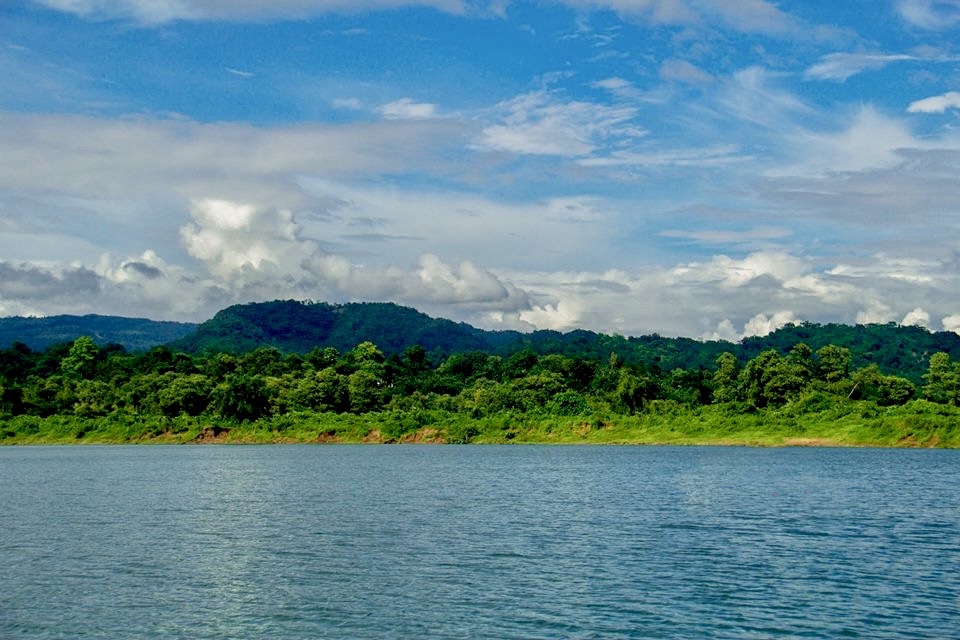
The district lies in a region of rivers, low hills and haor wetlands fed by tributaries of the Brahmaputra–Meghna system. The Surma River and its channels cross the district, shaping floodplains that are important for fisheries and rice cultivation. Administratively, Sylhet District includes a municipal corporation and several subdistricts (upazilas) that manage local services, rural development and infrastructure.
History and cultural identity
Sylhet has a layered history shaped by premodern kingdoms, Mughal-era developments and British colonial administration. It is well known for the shrine of the 14th-century Sufi saint Shah Jalal in Sylhet city, a longstanding pilgrimage site. The local speech, often called Sylheti, is an Indo-Aryan variety with its own vocabulary and rhythms; it is widely used alongside standard Bengali in daily life, media and literature.
Economy and livelihoods
The district's economy blends agriculture, tea cultivation, small industry and services. Sylhet's tea gardens are among the country's most visible agricultural features and have historical roots in the colonial era. Remittances from a large overseas diaspora are also a significant economic influence, supporting households and local investment. Seasonal fishing in haors and riverine commerce remain important for many rural communities.
Demographics and religion
Most residents of Sylhet District adhere to Islam, which is the dominant religion in the area; practitioners of Hinduism form the largest minority faith. The population includes urban and rural communities with a range of livelihoods, and religious festivals, Sufi traditions and local customs contribute to a plural cultural life.
Notable features and significance
- Shah Jalal's shrine and associated cultural sites in Sylhet city attract visitors and pilgrims.
- Extensive tea estates and related processing facilities are key agricultural assets.
- Unique landscapes — including haor wetlands and river channels — are important for biodiversity and seasonal fishing.
- Sylhet's diaspora communities have shaped local development and international connections.
For further reading about the district's administration, demographics and cultural sites, see regional and national references or local government resources: religious and social context, minority communities and heritage.
Related articles
Author
AlegsaOnline.com Sylhet District: Overview, geography, culture and economy Leandro Alegsa
URL: https://en.alegsaonline.com/art/95599
Sources
- bbs.gov.bd : "Bangladesh Bureau of Statistics"