
Sutton Coldfield: the Royal Town — history, parks, transport and community
Overview of Sutton Coldfield (the Royal Town) in Birmingham, England: history from Roman traces to royal charter, Sutton Park, transport links, civic status, demographics and local amenities.
The Royal Town of Sutton Coldfield lies about seven miles (11 km) northeast of central Birmingham in the county area of the West Midlands, England. Administratively it is a civil parish within the City of Birmingham and retains a distinct local identity. The parish recorded a population of 95,107 at the 2011 census. Sutton Coldfield combines suburban residential neighbourhoods, historic buildings and extensive urban green space that contribute to its character.
Image gallery
10 Images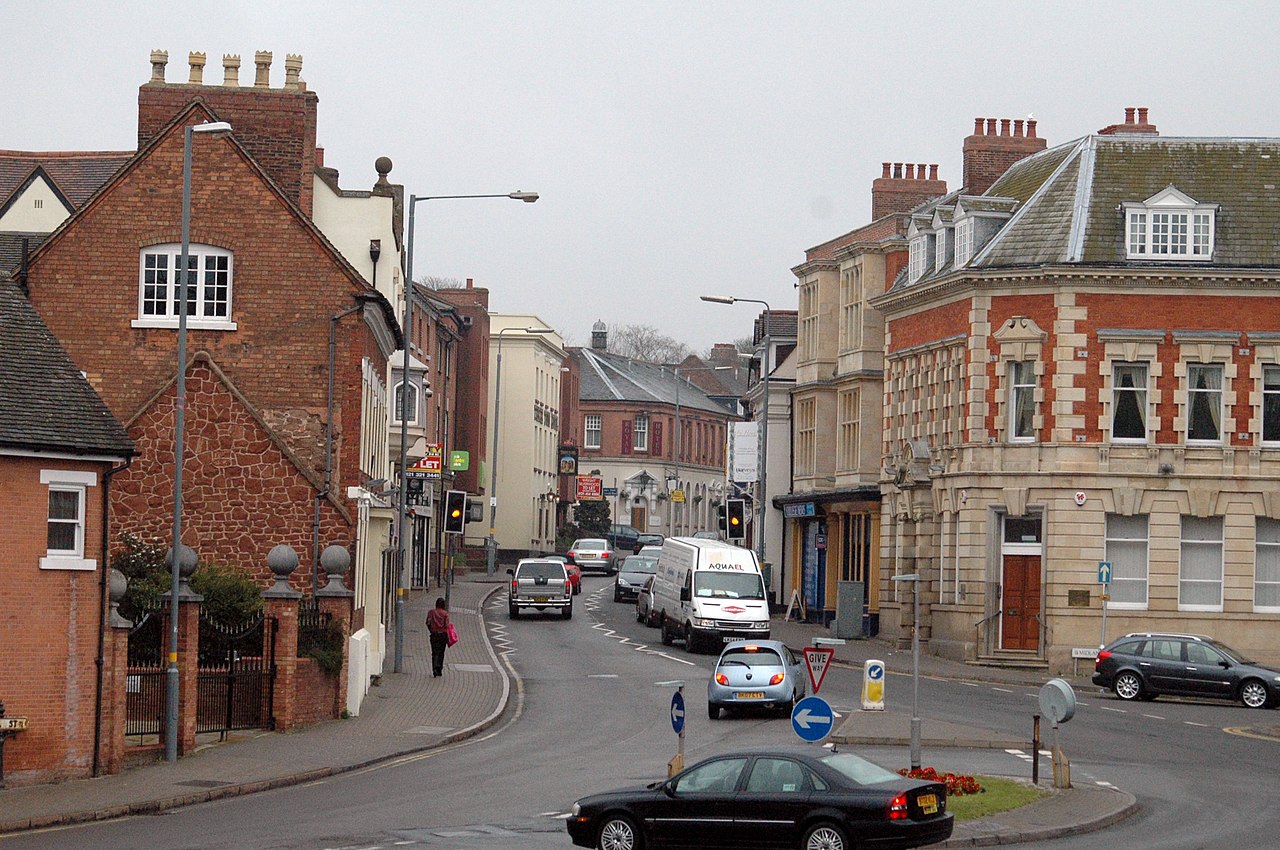





Origins and historical development
Archaeological evidence shows settlement and movement through the Sutton Coldfield area for many centuries. Traces of Roman routeways and earthworks have been identified, underlining the locality's long-standing strategic importance; these features are noted in local heritage accounts about Roman roads. In the medieval and early modern periods the town developed around its church, market and manorial connections.
Sutton Coldfield is widely referred to as a "royal town" because of the royal charter granted by King Henry VIII in 1528, a status secured through the influence of John Vesey, a native who became Bishop of Exeter and a royal chaplain. Vesey endowed schools, almshouses and other civic works; his legacy remains visible in buildings and in the name of institutions such as Bishop Vesey's Grammar School.
Historically the town was part of the county of Warwickshire before later administrative changes placed it within Birmingham and the West Midlands metropolitan area. This complex administrative history is reflected in local records and civic traditions.
Sutton Park and the natural environment
One of Sutton Coldfield's defining features is Sutton Park, an extensive area of heathland, wetlands, lakes and woodlands set within the town boundary. Managed for conservation and public recreation, the park supports a variety of habitats, long walking and cycle routes, and visible historic features; it is often cited as one of the largest urban parks in the United Kingdom and is an important local resource for wildlife and leisure.
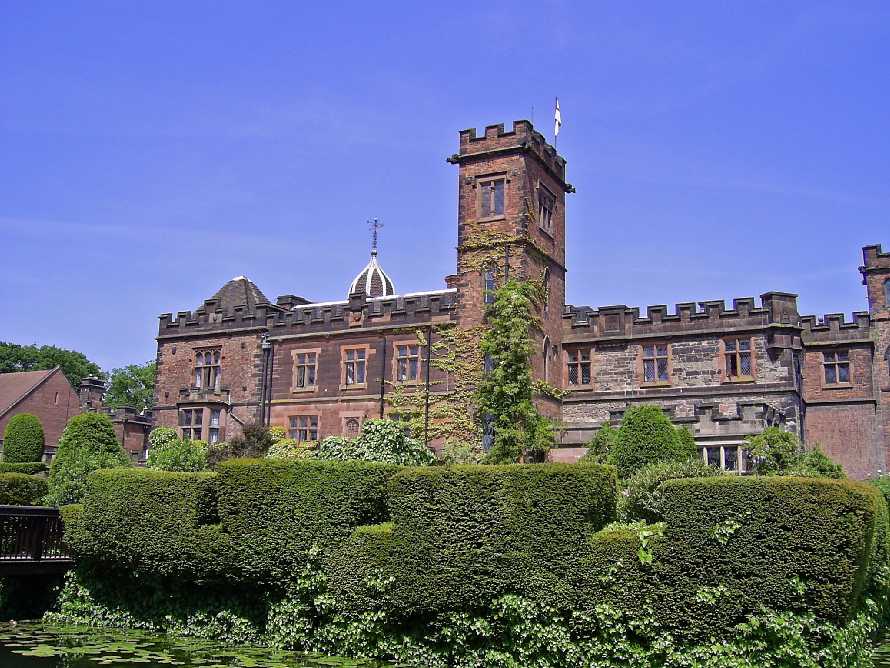
Beyond the park, the local landscape includes smaller green spaces, playing fields and suburban gardens that contribute to biodiversity and to residents' quality of life. Conservation areas and listed buildings preserve parts of the town's architectural heritage.
Built environment and landmarks
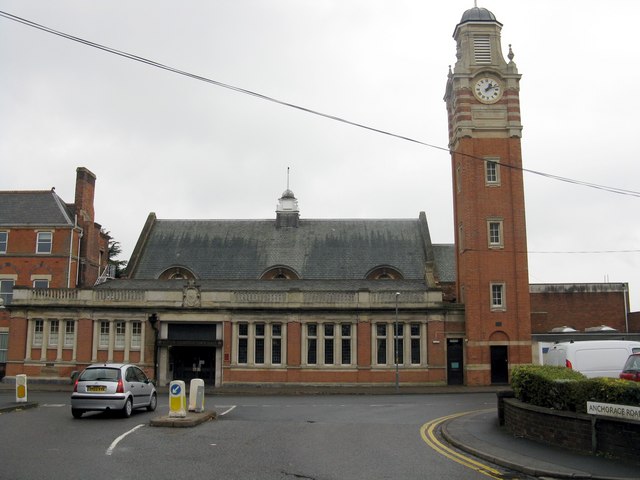
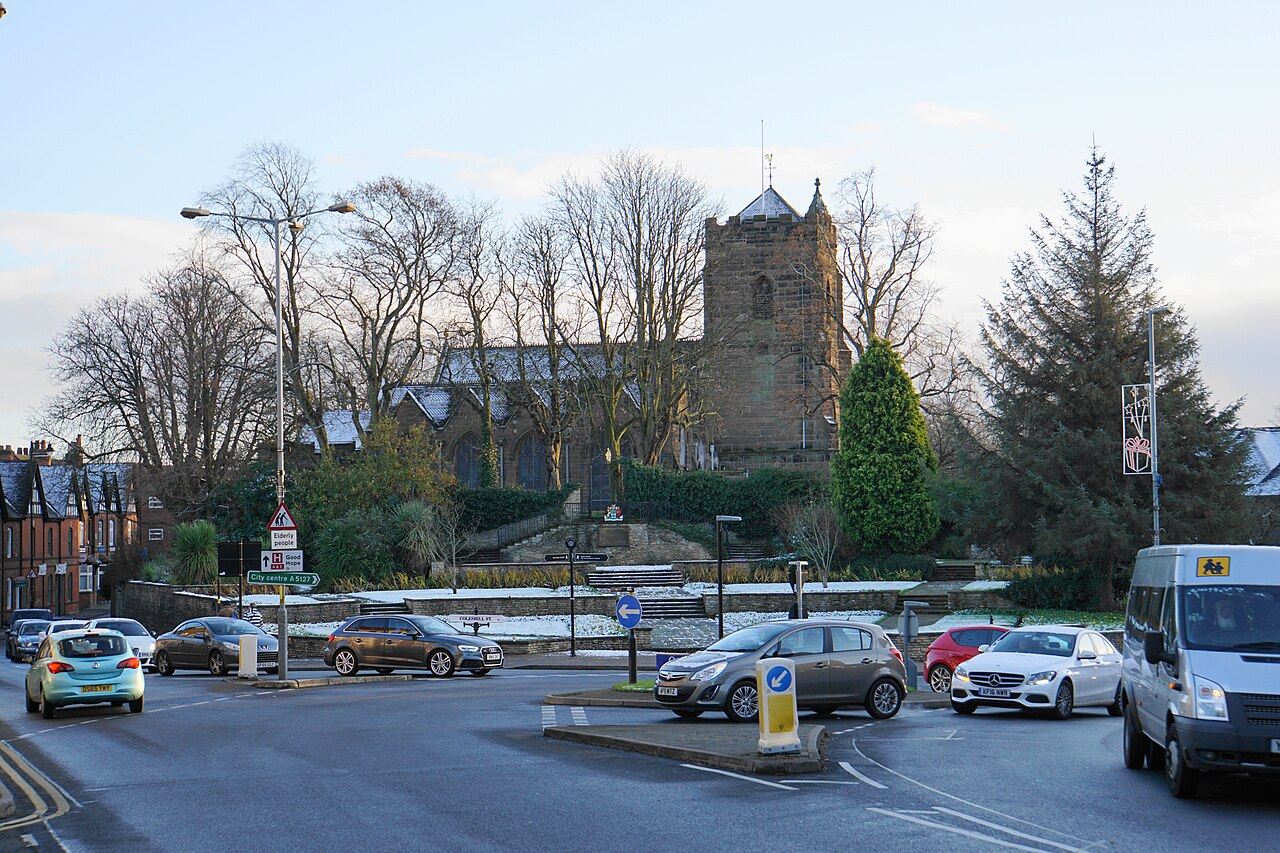
The town centre contains a mix of historic stone and brick buildings, post‑war and modern housing, and local commercial centres. Notable buildings include the parish church and several structures associated with Bishop Vesey's charitable foundations. Local museums, civic halls and preserved streetscapes record Sutton Coldfield's development from a market settlement to a large suburban town.
Governance, economy and community
Sutton Coldfield forms part of the wider Birmingham urban economy while sustaining local civic institutions and a distinctive community life. Many neighbourhoods show household incomes and property values above the national average, and the area is frequently mentioned among England's more desirable residential locations; discussions of local prices appear in summaries of expensive places to live. Community life includes schools, voluntary organisations, sports clubs and churches.
Transport and connections
The town is served by rail, road and bus links that provide direct commuter access to Birmingham and to destinations beyond. Sutton Coldfield railway station is on the Cross‑City Line and offers frequent services into central Birmingham and through services to destinations such as Redditch and Bromsgrove. Local bus services link neighbourhoods with the town centre and with adjacent suburbs. Nearby major roads and motorway connections provide access across the West Midlands and into wider parts of England.
Culture, sport and education
Education provision includes historic grammar and a range of primary and secondary schools. Local cultural life is supported by libraries, community centres, music and arts groups. Sporting facilities range from public leisure centres to local football and cricket clubs and golf courses. Regular local events, markets and festivals reflect the town's mixture of suburban and traditional town activity.
Heritage and conservation
Conservation areas, listed buildings and recorded archaeological sites help protect Sutton Coldfield's heritage. Interpretive materials and local history groups document the area's Roman associations, medieval development, royal charter and later civic evolution. Visitors and residents can follow heritage trails that highlight the town's principal monuments and landscapes.
- Royal charter of 1528 linked to the influence of Henry VIII and Bishop Vesey.
- Evidence of ancient Roman routes and long history of settlement.
- Sutton Park: major urban park and nature area within the town.
- Rail connections on the Cross‑City Line to Birmingham, Redditch and Bromsgrove.
- Formerly part of Warwickshire, now administered within the metropolitan West Midlands region of England.
Today Sutton Coldfield preserves a blend of historical character and modern suburban life. It remains a significant residential and recreational area within the metropolitan region, valued for its parkland, local heritage and accessibility to larger urban centres. For further local information consult town guides and official sources about transport, conservation and community services (Birmingham borough pages and local visitor resources).
Related articles
Author
AlegsaOnline.com Sutton Coldfield: the Royal Town — history, parks, transport and community Leandro Alegsa
URL: https://en.alegsaonline.com/art/95319