
Sustainable energy: principles, technologies, and global importance
Overview of sustainable energy: efficiency and renewable supply, supporting technologies, policy tools, environmental and social considerations, implementation challenges, and future directions.
Overview
Sustainable energy refers to approaches to producing and using energy that meet present needs while limiting environmental harm and preserving options for future generations. It rests on two complementary strategies: reducing the amount of energy required to deliver services and supplying energy from low‑impact, renewable sources. Together these strategies aim to lower greenhouse gas emissions, improve air quality, reduce dependence on finite fuels, and increase resilience of energy systems.
Image gallery
10 Images





Core components and characteristics
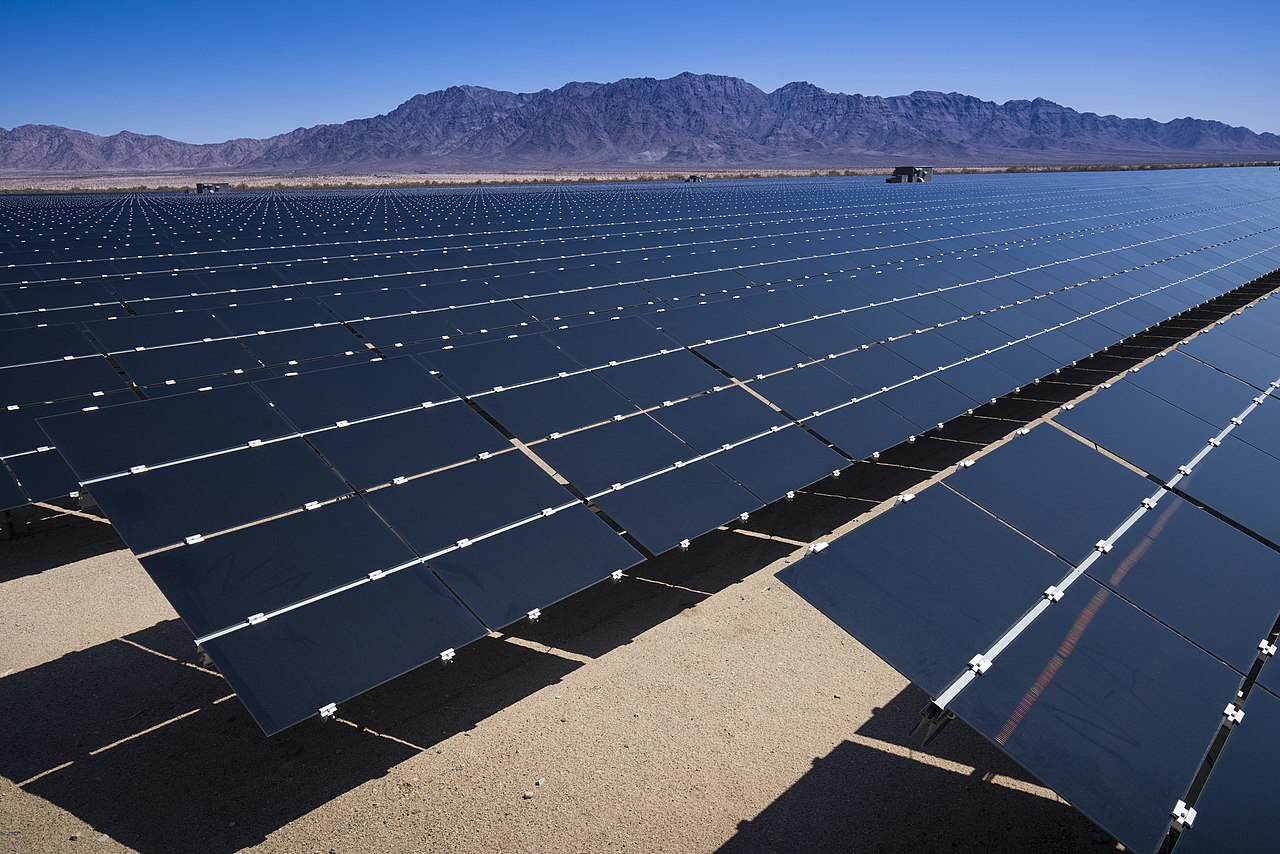
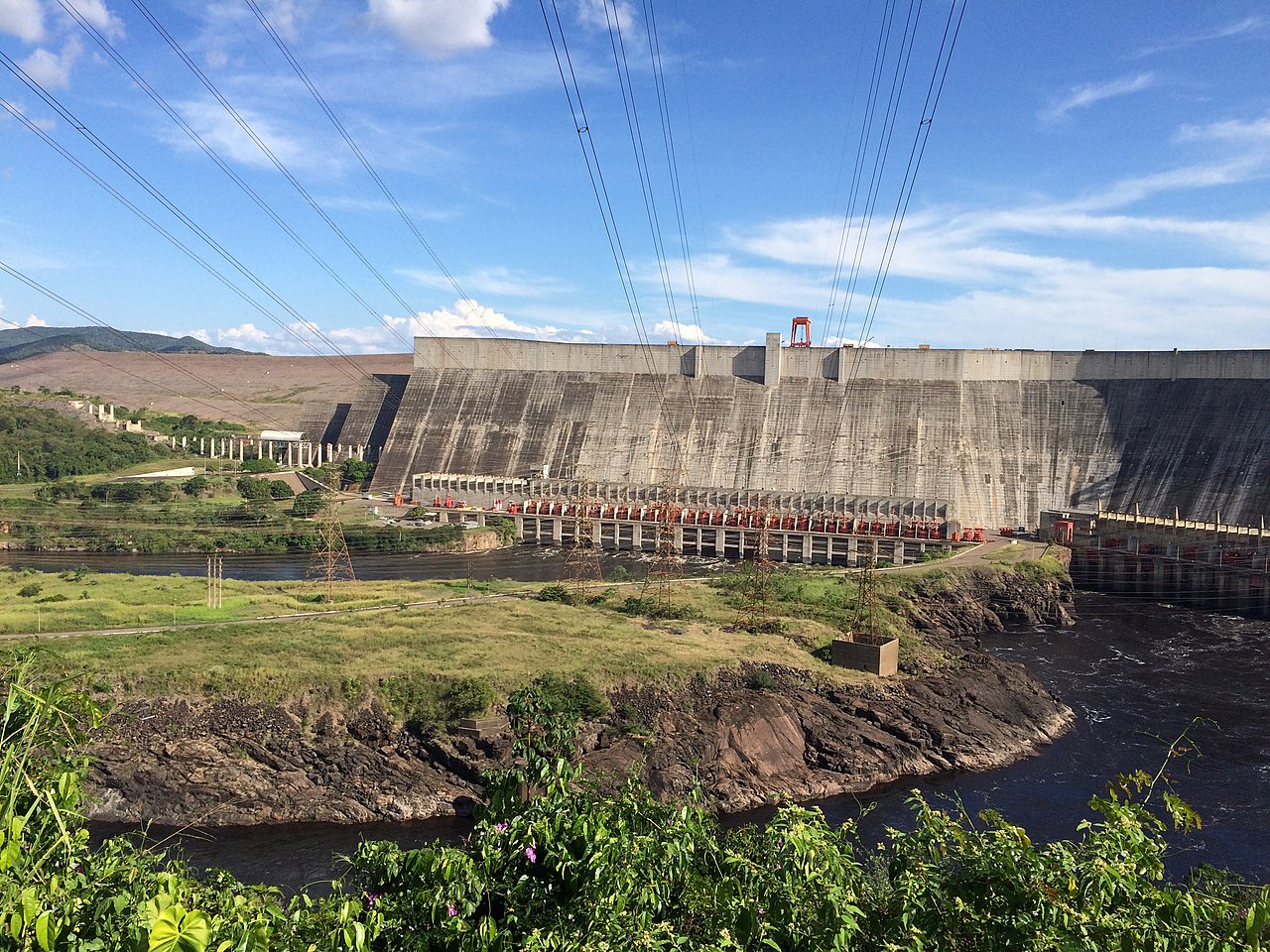
Two pillars define sustainable energy. The first is energy efficiency — technologies, design, and practices that provide the same services using less energy. The second is renewable energy — sources that are naturally replenished, such as wind, solar, hydro, geothermal and sustainably managed bioenergy. Efficiency slows demand growth while renewables reduce the carbon intensity of supply and other harms associated with extraction and combustion.
- Efficiency measures: building insulation, high‑efficiency lighting and appliances, industrial process improvements, vehicle efficiency, and controls that modulate supply to actual demand.
- Renewable technologies: photovoltaic systems, wind turbines (onshore and offshore), run‑of‑river and reservoir hydropower, geothermal heat and power, and advanced bioenergy when managed sustainably.
- Supporting systems: energy storage (batteries, pumped hydro, thermal storage), grid modernization, demand response, and electrification of end uses such as heating and transport.
Technologies and integration
Integration of variable renewables requires flexible grids, diversified resources, and storage. Electrification of end uses—switching from fossil fuels to electricity where feasible—can increase system efficiency and facilitate use of renewable supply. Combined heat and power, district heating, and sector coupling (linking electricity, heat and transport) are practical approaches to improve overall system performance. Lifecycle thinking is important: emissions and impacts depend on the full supply chain, from material extraction to decommissioning.
Benefits and examples
Sustainable energy can cut emissions of carbon dioxide and other pollutants, reduce operating costs over time, and strengthen energy security by diversifying supply. Examples range from rooftop solar and residential heat pumps to industrial efficiency retrofits and regional grids that balance wind and solar across wide areas. In many contexts, investing in efficiency is the least‑cost option to reduce energy demand before or alongside new generation.
Policy, economics and social considerations
Policy tools that have supported sustainable energy transitions include performance standards, incentives, carbon pricing, renewable portfolio standards, and support for research and demonstration. Equitable transitions pay attention to employment, affected communities, and energy affordability. Public planning and market design must address land use, resource limits, and the distribution of costs and benefits.
Challenges and tradeoffs
Challenges include integrating variable generation, financing upfront costs, managing supply chains for critical materials, and preventing unintended environmental impacts (for example, habitat loss from poorly sited projects). If energy demand grows faster than clean supply, renewables deployment risks lagging behind; conversely, efficiency gains alone cannot eliminate emissions if the energy supplied remains carbon‑intensive. Policies that simultaneously expand efficiency (see efficiency) and clean supply (see renewables), while reducing fossil fuel dependence, are most effective.
Measuring progress and future outlook
Progress is tracked through indicators such as energy intensity, share of final energy from renewables, and total greenhouse gas emissions. Continuous innovation in materials, storage, grid controls, and business models will influence the pace of transition. While technical pathways are available to achieve large reductions in emissions, the scale and speed of deployment depend on policy choices, investment, and societal priorities.
In sum, a credible plan for a sustainable energy economy combines aggressive efficiency measures, rapid deployment of renewable supply, supportive infrastructure and markets, and attention to social and environmental integrity. Coordinated action across policy, industry and communities increases the chances of a durable, low‑impact energy future.
Related articles
Author
AlegsaOnline.com Sustainable energy: principles, technologies, and global importance Leandro Alegsa
URL: https://en.alegsaonline.com/art/95303
Sources
- science.sciencemag.org : "The irreversible momentum of clean energy"
- doi.org : 10.1126/science.aam6284
- aceee.org : The Twin Pillars of Sustainable Energy: Synergies between Energy Efficiency and Renewable Energy Technology and Policy