
Toxic waste: types, sources, risks and management
Toxic waste comprises materials harmful to humans, animals, or ecosystems. This article explains types, sources, health and environmental impacts, historical development, and common management approaches.
Toxic waste refers to materials that can cause injury, illness, or death to people, animals, or plants when released into the environment. For a concise definition and regulatory contexts see related resources. The term commonly applies to chemical wastes produced by industry, agriculture, and households, but it also covers radioactive substances and persistent organic pollutants.
Image gallery
7 Images
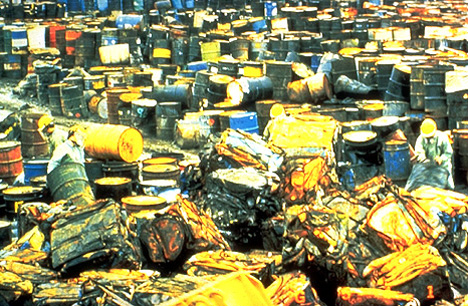





Characteristics and common types
Toxic wastes vary in physical state and composition. Typical categories include:
- Industrial chemical wastes — solvents, heavy metals, and other hazardous liquids or sludges.
- Agricultural chemicals — pesticides and herbicides that can persist in soil and water.
- Radioactive wastes — materials that emit ionizing radiation from medical, power, or research uses.
- Mixed wastes — combinations of chemical and radioactive hazards.
These materials are often referred to as poisons because of their capacity to cause toxic effects at low concentrations and to bioaccumulate in food chains.
Sources and how waste is generated
Major sources include manufacturing and processing plants, mining operations, chemical synthesis, and intensive farming. Many toxic wastes arise as by-products of production processes: solvents used for cleaning, residues from metal plating, and contaminated sludges from treatment processes. Households and small businesses also contribute through consumer chemicals, batteries, and electronics.
Impacts on health and environment
Exposure to toxic waste can cause acute poisoning, chronic illnesses, developmental problems, and cancer. Ecologically, persistent toxins can reduce biodiversity, disrupt food webs, and render land and water unusable for long periods. Contamination episodes often have social and economic costs, prompting community displacement and expensive remediation efforts.
Management, regulation, and remediation
Approaches to control toxic waste include reduction at source, substitution with safer materials, segregation and secure storage, chemical treatment, long-term containment, and specialized disposal facilities. Many countries regulate hazardous waste under specific laws and run cleanup programs to address legacy contamination. Remediation techniques range from excavation and removal to in-place treatments such as bioremediation and stabilization.
Notable distinctions and considerations
Important distinctions are drawn between hazardous and non-hazardous wastes, short-lived versus persistent compounds, and chemical versus radioactive hazards. Risk assessment balances toxicity, exposure likelihood, and environmental persistence. Effective management requires technical measures, regulatory oversight, and public engagement to prevent harm and protect resources.
Toxic waste remains a global challenge: reducing generation, improving safe handling, and restoring contaminated sites are central to protecting public health and ecosystems.
Related articles
Author
AlegsaOnline.com Toxic waste: types, sources, risks and management Leandro Alegsa
URL: https://en.alegsaonline.com/art/100946