
Sustainable biofuels: types, production, benefits and challenges
An overview of sustainable biofuels: feedstocks, production pathways, environmental and social considerations, uses, policy levers, and distinctions between conventional and advanced fuels.
Sustainable biofuels are liquid or gaseous fuels produced from biomass—plant material, agricultural residues, organic waste and some specially cultivated organisms such as algae. They are developed to reduce reliance on fossil oil, improve energy security and lower lifecycle greenhouse gas emissions when produced and used responsibly.
Image gallery
7 Images


Types and production pathways
Biofuels vary by feedstock and conversion process. Common categories include:
- First‑generation: fuels made from food crops (sugar, starch, vegetable oils) through fermentation or transesterification.
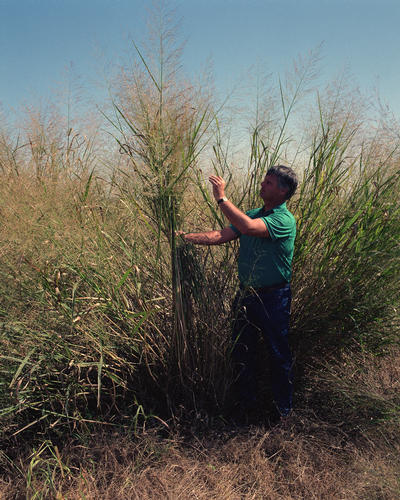
- Second‑generation (cellulosic): produced from nonfood biomass such as straw, wood chips and grasses using enzymatic or thermochemical routes.
- Advanced and drop‑in fuels: chemically similar to petroleum products and compatible with existing engines and infrastructure, produced from waste oils, algae or through hydrogenation.
Sustainability criteria and challenges
To be sustainable, biofuels must be judged across their full lifecycle. Key concerns include indirect land use change, competition with food production, water consumption, biodiversity effects and overall greenhouse gas balance. Using residues, waste oils, cover crops and improved agronomy can reduce negative impacts.
Uses, benefits and examples
Biofuels are used in road transport, aviation (where energy‑dense drop‑in fuels are needed), and sometimes for heating. They can support rural employment and add value to agricultural supply chains; examples include ethanol from sugarcane and biodiesel from waste cooking oil. When well managed, biofuels contribute to decarbonization and local development in regions across Africa, Latin America and Asia.
Policy, certification and notable distinctions
Governments and markets promote sustainable biofuels through blending mandates, incentives and sustainability certification. Distinctions to watch are feedstock origin (food vs waste), production technology (biochemical vs thermochemical) and whether the fuel is drop‑in or requires vehicle modification.
For guidance on sustainability standards and implementation, see sustainability frameworks and resources on policy instruments at policy and market measures.
Related articles
Author
AlegsaOnline.com Sustainable biofuels: types, production, benefits and challenges Leandro Alegsa
URL: https://en.alegsaonline.com/art/95300
Sources
- royalsociety.org : Sustainable biofuels: prospects and challenges
- its.berkeley.edu : Roundtable on Sustainable Biofuels
- canada.com : Biofuels are part of the solution
- newscientist.com : Hydrogen injection could boost biofuel production
- oilendgame.com : Winning the Oil Endgame
- worldchanging.com : Growing Sustainable Biofuels: Common Sense on Biofuels, part 2
- guardian.co.uk : Through biofuels we can reap the fruits of our labours
- climateark.org : As Biofuels Catch On, Next Task Is to Deal With Environmental, Economic Impact
- nri.org : Biofuel: A Sustainable Solution for Cambodia?
- ipsnews.net : Can Sorghum Solve the Biofuels Dilemma?
- cgse.epfl.ch : The Roundtable on Sustainable Biofuels: Ensuring Biofuels Deliver on their Promise of Sustainability
- biomassmagazine.com : Roundtable for Sustainable Biofuels releases proposed standards for review
- renewableenergyworld.com : Sustainable Biofuels Consensus