
Sustainable Development Goals (SDGs): global framework for 2030
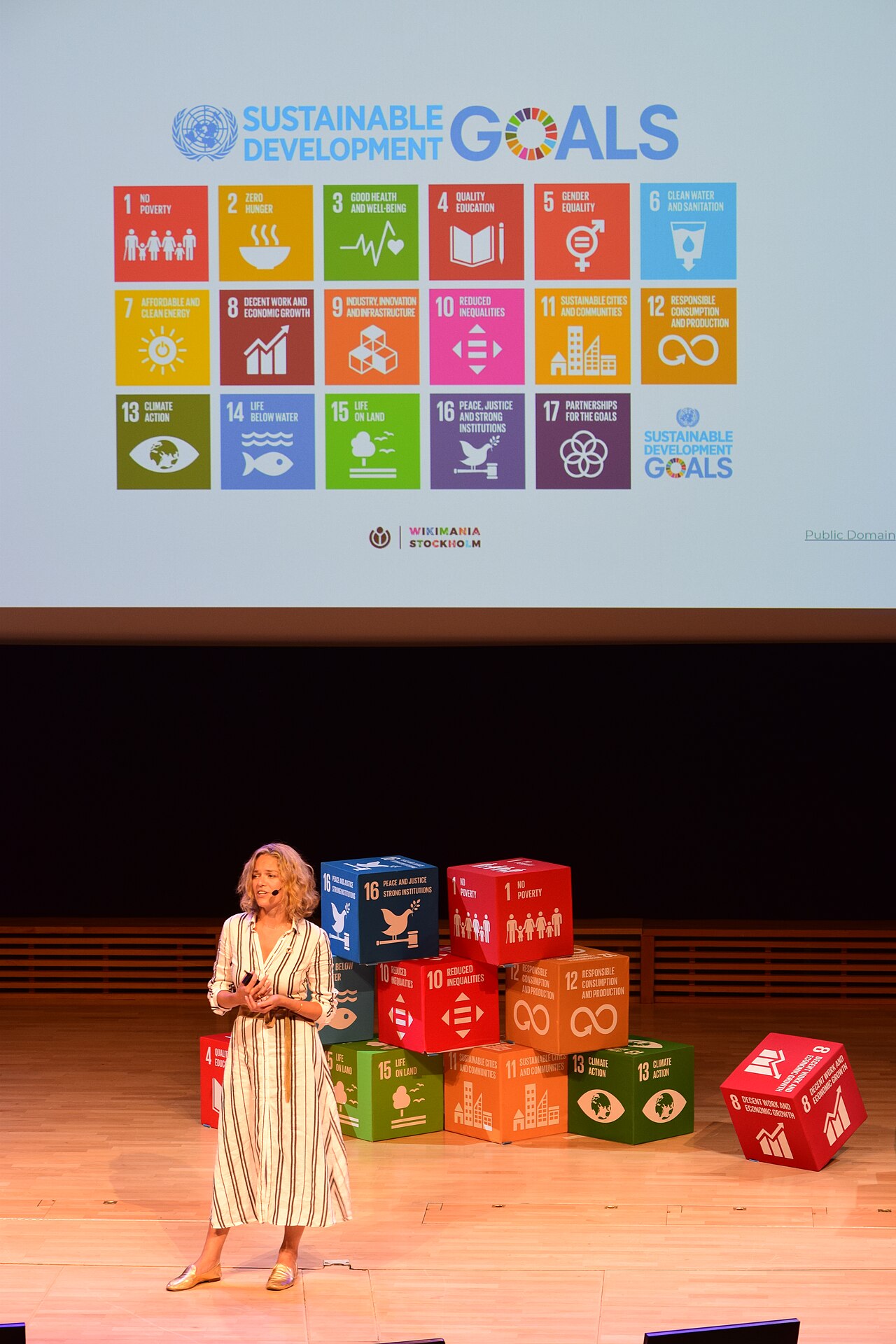
The Sustainable Development Goals are 17 global objectives adopted by United Nations member states in 2015 under the 2030 Agenda, with 169 targets to end poverty, protect the planet and promote prosperity by 2030.
The Sustainable Development Goals (SDGs) are a set of internationally agreed objectives that guide public policy, business practice and civil society work toward sustainable development worldwide. Adopted by United Nations member states in 2015 as part of the 2030 Agenda, the SDGs succeeded the Millennium Development Goals and establish a common roadmap to end poverty, reduce inequality, protect the environment and foster inclusive economic growth.
Image gallery
10 Images




Structure and key features
The SDG framework comprises 17 broad goals and 169 associated targets, supported by a global indicator framework used to measure progress. The goals are intended to be universal (applicable to all countries), integrated and indivisible: social, economic and environmental dimensions are linked and progress on one goal can influence others. Implementation is expected to involve national governments, local authorities, the private sector, non-governmental organizations and international institutions.
The 17 goals (short names)
- No poverty
- Zero hunger
- Good health and well-being
- Quality education
- Gender equality
- Clean water and sanitation
- Affordable and clean energy
- Decent work and economic growth
- Industry, innovation and infrastructure
- Reduced inequalities
- Sustainable cities and communities
- Responsible consumption and production
- Climate action
- Life below water
- Life on land
- Peace, justice and strong institutions
- Partnerships for the goals
Origins, governance and monitoring
The SDGs were negotiated and adopted by UN member states in 2015 as part of the 2030 Agenda for Sustainable Development. Oversight and follow-up take place through intergovernmental bodies and annual reporting mechanisms: countries present Voluntary National Reviews to a high-level political forum, and relevant UN agencies coordinate indicator development and data collection. National statistical offices play a central role in producing the official data needed to assess progress.
Uses, examples and significance
Governments use the SDGs to align national development plans and budgets; donors and multilateral organizations use them to set priorities; businesses and investors increasingly map strategies to SDG targets to demonstrate responsible practices. Concrete examples of SDG-driven action include expanding primary education access, improving clean energy capacity, strengthening health systems and introducing policies to reduce emissions and protect biodiversity.
Limitations and notable challenges
Despite broad support, the SDGs face multiple challenges: data gaps and inconsistent measurement hinder monitoring in many countries; financing needs to close implementation gaps remain substantial; and the goals’ breadth creates trade-offs that require policy choices and coordination. Shocks such as economic crises or pandemics can set back progress, highlighting the need for resilient, integrated approaches and effective partnerships under Goal 17.
With a global target year of 2030, the SDGs provide a common language and set of objectives that continue to shape international development practice and public debate, while demanding sustained effort across sectors to meet their ambitions.
Questions and answers
Q: Who created the Sustainable Development Goals (SDGs)?
A: The United Nations created the Sustainable Development Goals (SDGs).
Q: What were the Millennium Development Goals (MDGs)?
A: The Millennium Development Goals (MDGs) were the predecessors to the SDGs, which expired at the end of 2015.
Q: How long will the SDGs run for?
A: The Sustainable Development Goals (SDGs) will run from 2015 to 2030.
Q: How many goals are there in the SDGs?
A: There are 17 goals in the Sustainable Development Goals (SDGs).
Q: How many specific targets are there for the SDGs?
A: There are 169 specific targets for the 17 goals in the Sustainable Development Goals (SDGs).
Q: Why were the SDGs created?
A: The Sustainable Development Goals (SDGs) were created in order to promote the Global Goals for Sustainable Development.
Q: How do the SDGs differ from the MDGs?
A: The Sustainable Development Goals (SDGs) replaced the Millennium Development Goals (MDGs), and are more expansive, with 17 goals and 169 specific targets.
Related articles
Author
AlegsaOnline.com Sustainable Development Goals (SDGs): global framework for 2030 Leandro Alegsa
URL: https://en.alegsaonline.com/art/95301
Sources
- sustainabledevelopment.un.org : "Technical report by the Bureau of the United Nation s Statistical Commission (UNSC) on the process of the development of an indicator framework for the goals and targets of the post-2015 development agenda - working draft"
- globalgoals.org : "The Global Goals For Sustainable Development"