
Suspicion (1941 film)
Alfred Hitchcock’s 1941 romantic drama-thriller starring Cary Grant and Joan Fontaine, adapted from Francis Iles’s novel Before the Fact. Noted for psychological suspense, an altered ending, and Fontaine’s Oscar.
Overview
Romantic drama and thriller elements combine in Suspicion, a 1941 film directed by Alfred Hitchcock. Adapted from Francis Iles’s novel Before the Fact, the picture centers on Lina, a shy, bookish woman whose marriage to the charismatic Johnnie gradually becomes a study in worry and doubt. The film is built around suggestion and mood rather than explicit depictions of violence, and Hitchcock uses lighting, framing and performance to create persistent unease.
Image gallery
4 Images

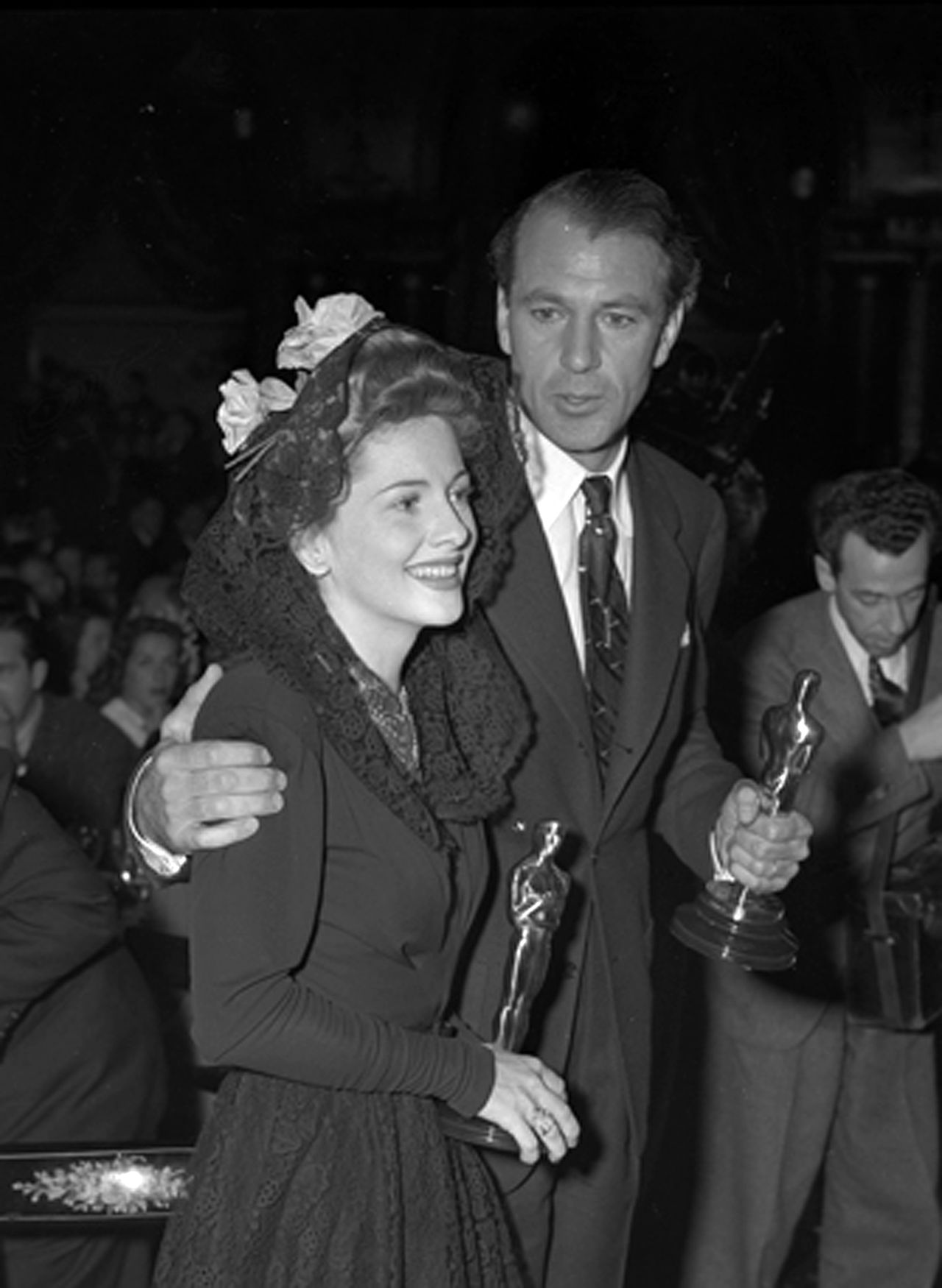

Cast and characters
- Cary Grant as Johnnie, a charming gambler with an unpredictable streak whose behavior provokes Lina’s suspicions.
- Joan Fontaine as Lina, whose evolving interior life and growing anxieties are central to the film’s tension.
- Dame May Whitty as Martha, a friend and confidante whose presence helps illuminate Lina’s situation.
Plot and themes
The narrative follows Lina from courtship through marriage, charting a subtle transformation in how she perceives her husband. Small clues, inconsistencies in Johnnie’s stories, and ambiguous incidents accumulate and allow the audience to share Lina’s mounting dread. Themes include trust and betrayal, the social dynamics of marriage, and the ways appearances can deceive. Hitchcock emphasizes the psychology of suspicion—how fear may shape a character’s perception as much as actual danger.
Production and adaptation
The screenplay streamlines and alters aspects of Francis Iles’s novel; most famously, the ending was softened during production. Studio concerns, star image considerations and the Motion Picture Production Code of the era all influenced adaptations from page to screen, resulting in a version that offers less explicit moral darkness than the source. The film’s visual design, performances and score work together to sustain an atmosphere of elegant menace.
Reception and awards
On release Suspicion drew attention for its performances and Hitchcock’s command of suspense. The film received recognition at the Academy Awards, including a nomination for Best Picture and a nomination for Best Original Score; Joan Fontaine received the Academy Award for Best Actress. Contemporary critics praised the chemistry between the leads and the film’s psychological focus, while later writers have continued to debate the merits of the altered ending and what might have been a darker resolution.
Critical assessment and legacy
Suspicion is notable within Hitchcock’s oeuvre for privileging implication over action and for centering domestic anxiety. Scholars and viewers often compare it to the original novel to discuss censorship, star power and directorial choices. The film remains a frequently cited example of how classical Hollywood cinema could cultivate suspense through performance, suggestion and carefully controlled ambiguity.
Home media and further reading
Suspicion has been released on various home video formats and appears in many retrospectives of Hitchcock’s work. Restorations and high-definition editions have helped preserve the film for modern audiences and study. Readers seeking more context may consult film histories and biographies that cover Hitchcock’s career and the studio system of the 1940s, as well as editions of the original novel for comparison.
Related articles
Author
AlegsaOnline.com Suspicion (1941 film) Leandro Alegsa
URL: https://en.alegsaonline.com/art/95291