
Battle of Nagashino (1575) — decisive clash in Japan's Sengoku era
A 1575 battle near Nagashino Castle where Oda Nobunaga and Tokugawa Ieyasu defeated Takeda Katsuyori, notable for effective use of firearms, palisades and a turning point in samurai warfare.
Overview
The Battle of Nagashino was fought on June 28, 1575, on the plain of Shitaragahara near Nagashino Castle in Mikawa Province. It pitted the allied forces of Oda Nobunaga and Tokugawa Ieyasu against the army of Takeda Katsuyori. The engagement is remembered as one of the most important encounters of the late Sengoku period because of its tactical approaches and political consequences. For a concise date reference see battle date, and for the battlefield location see site information.
Image gallery
7 Images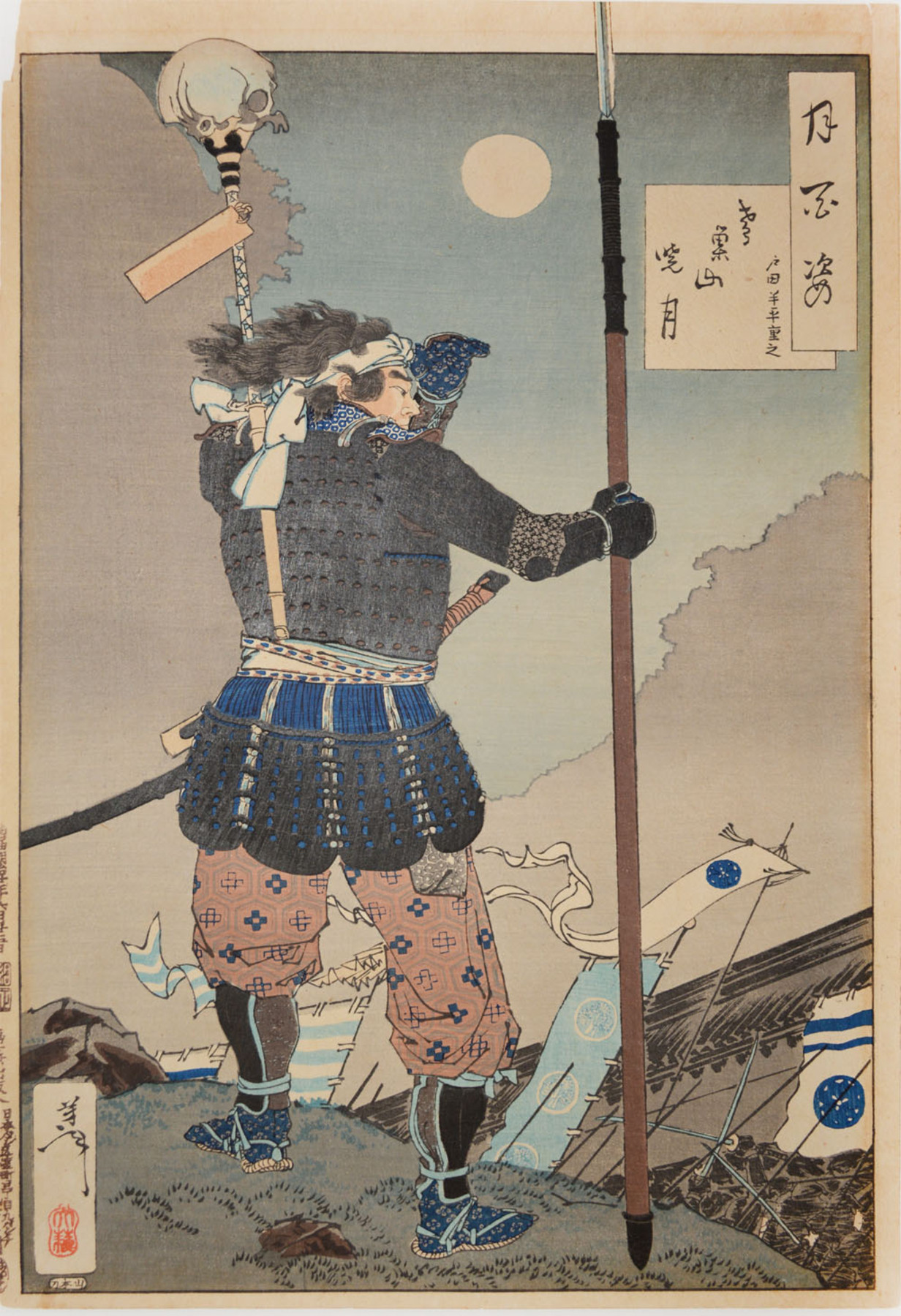



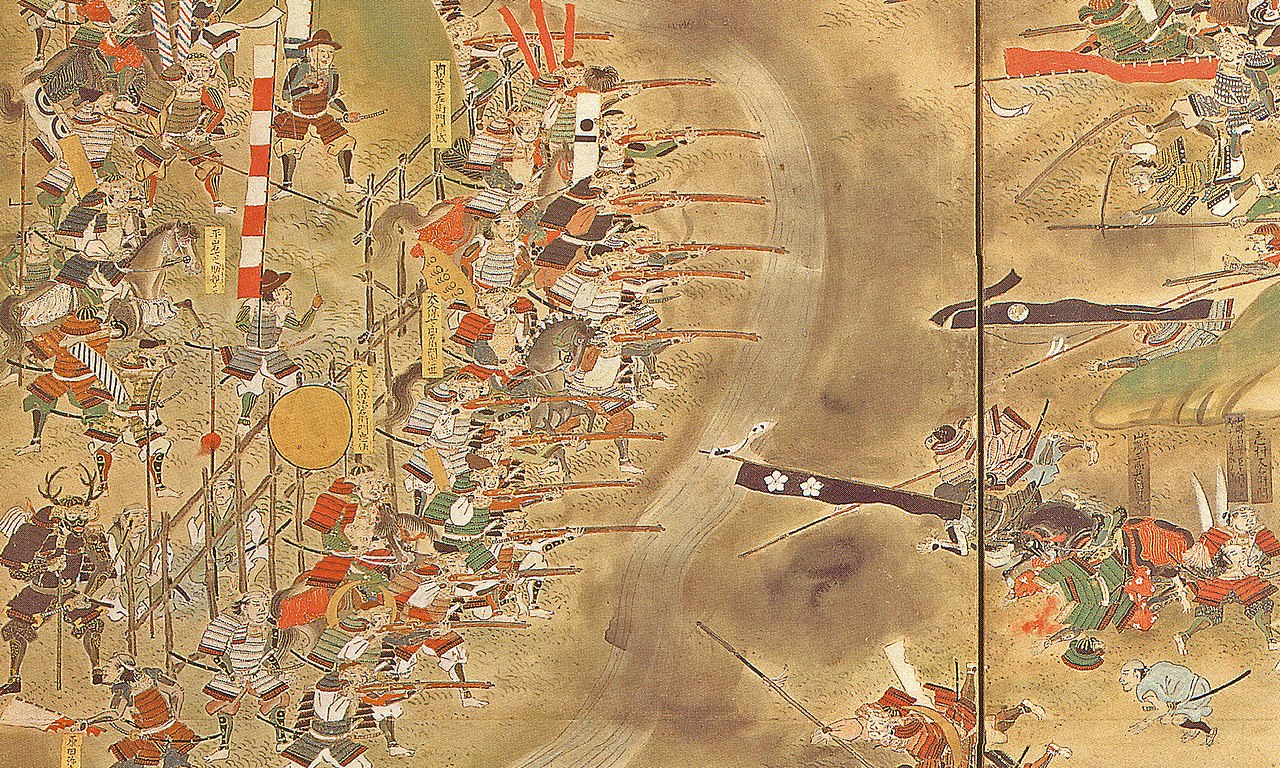

Tactics and battlefield features
Several practical measures shaped the fighting: the defenders and relief army made use of field fortifications and concentrated arquebus (matchlock) fire, while the Takeda force relied in large part on mounted shock tactics. Key tactical features included:
- Field palisades and obstacles erected to blunt cavalry charges.
- Large numbers of foot gunners positioned to deliver sustained volleys.
- Coordination between infantry, artillery and cavalry elements on the allied side.
The presence of firearms on both sides reflected the changing technology of war in 16th-century Japan; their massed use and integration with fortifications proved decisive in this encounter.
Course and outcome
Nagashino unfolded after Takeda forces besieged Nagashino Castle and attempted to prevent a relief operation. The Oda–Tokugawa allies moved to break the siege, prepared defensive works, and deployed gunners in depth. Repeated Takeda cavalry assaults failed to break the allied lines, and Takeda casualties and loss of momentum forced a retreat. The victory severely weakened Takeda Katsuyori's position and diminished the military prestige of his clan.
Significance and legacy
Historians view Nagashino as a turning point: it highlighted the rising importance of firearms and entrenchments over the traditional dominance of cavalry and individual mounted valor. The battle accelerated the consolidation of power by Nobunaga and his allies and contributed to the eventual unification of Japan later in the century.
Debates and cultural memory
Accounts of Nagashino have long emphasized a rotating volley technique by arquebusiers, but scholars debate whether the practical firing method was organized rotation or concentrated massed fire. Regardless of the exact drill, the engagement has been widely depicted in prints, chronicles and later histories as emblematic of tactical modernization in samurai warfare.
Notable facts include the role of Nagashino Castle's siege in prompting the relief effort, the rapid decline of Takeda power after the battle, and the event's frequent citation as evidence for changing military doctrine in late medieval Japan.
Related articles
Author
AlegsaOnline.com Battle of Nagashino (1575) — decisive clash in Japan's Sengoku era Leandro Alegsa
URL: https://en.alegsaonline.com/art/9519
Sources
- books.google.com : Nagashino 1575: Slaughter at the Barricades, p. 34
- books.google.com : 32-33