
Taliban insurgency (post-2001 conflict in Afghanistan and Pakistan)
Armed insurgency led by the Taliban after 2001, its origins, tactics, regional spread into Pakistan, links with other groups, economic effects and challenges for political resolution.
Overview
The armed campaign commonly called the Taliban insurgency began after the 2001 international intervention in Afghanistan. It refers to sustained military, political and covert activity by groups associated with the Taliban who opposed the post‑2001 Afghan government and foreign forces. The movement's operations have included conventional attacks, guerrilla actions, ambushes and an array of violent incidents often described in media and official reports as insurgency activity.
Image gallery
9 Images




Actors and opponents
The insurgency has primarily fought against Afghan government security forces and international contingents, including units described collectively as ISAF and NATO. Its activities have been concentrated in Afghanistan, but the conflict has caused spillover and cross‑border dynamics. Attacks on civilian targets, government facilities and security forces are sometimes characterized as terrorist incidents by governments and international observers. The Taliban have also been reported to have operational links with other extremist groups, most notably elements associated with Al‑Qaeda, although relationships have varied over time.
History and geographic spread
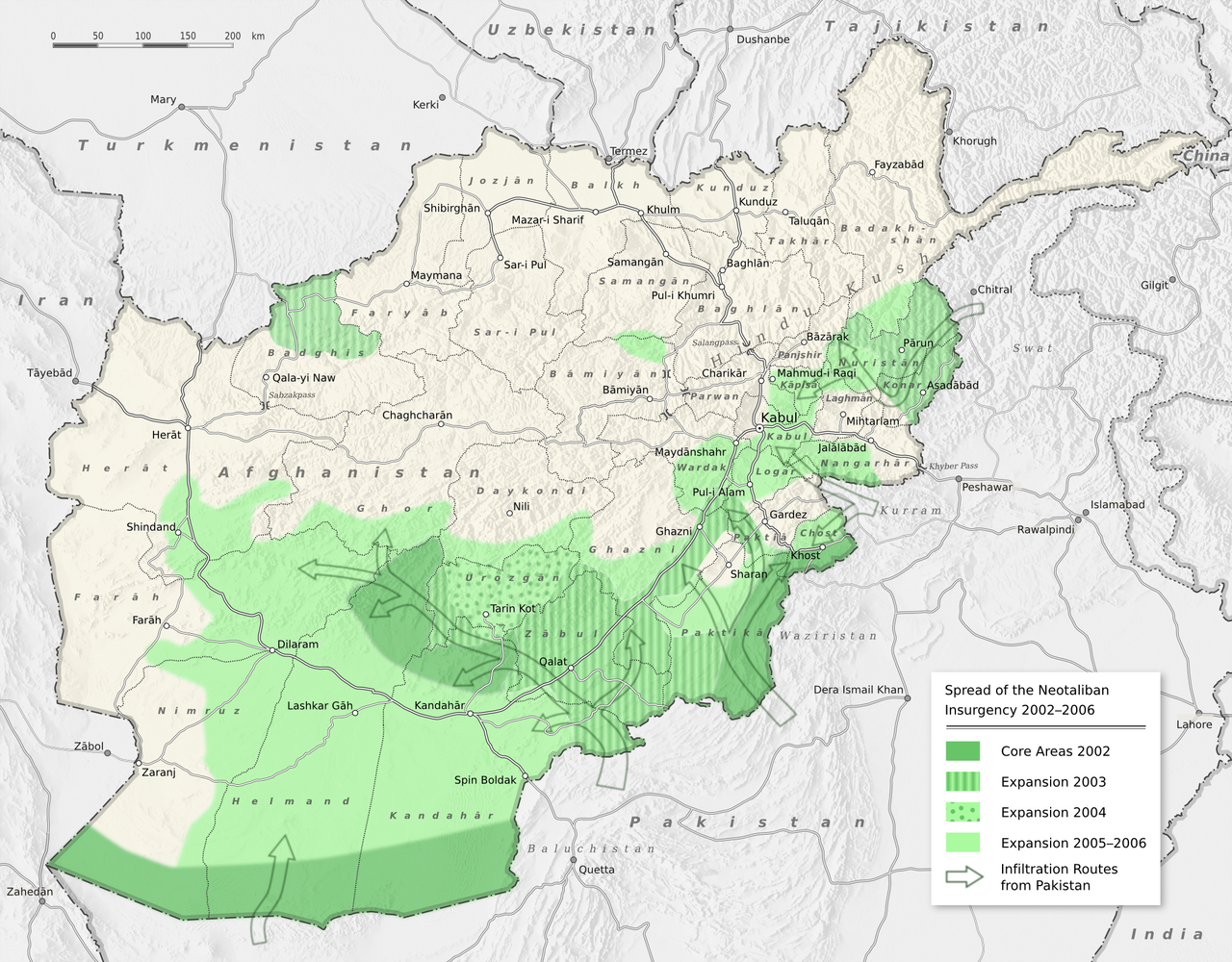
Following the collapse of the Taliban government in 2001, insurgent factions regrouped and launched a protracted campaign. Over the next decade and more, the violence spread beyond Afghanistan's borders, influencing internal security in neighboring states. Cross‑border militancy and refugee movements helped draw parts of Pakistan into the broader regional crisis. Within Pakistan, the conflict is linked to the insurgency in Khyber Pakhtunkhwa and adjacent tribal areas, where local militant networks and Taliban‑affiliated groups have been active.
Tactics, organization and local dynamics
The insurgency employs a mix of tactics usually associated with irregular warfare:
- Improvised explosive devices (IEDs), roadside bombs and suicide attacks;
- Targeted assassinations of officials and local leaders;
- Hit‑and‑run assaults on checkpoints and convoys;
- Information operations aimed at influencing local populations.
Organizationally, the Taliban have consisted of decentralised networks that combine ideological cadres, tribal militias and local commanders. Alliances, rivalries and the composition of forces have shifted with changing political and military pressures.
Economic and social consequences
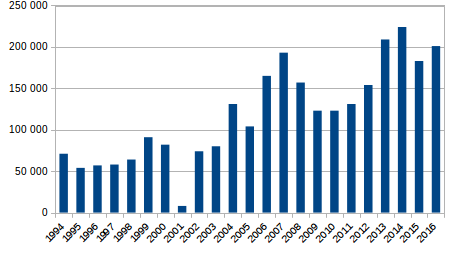
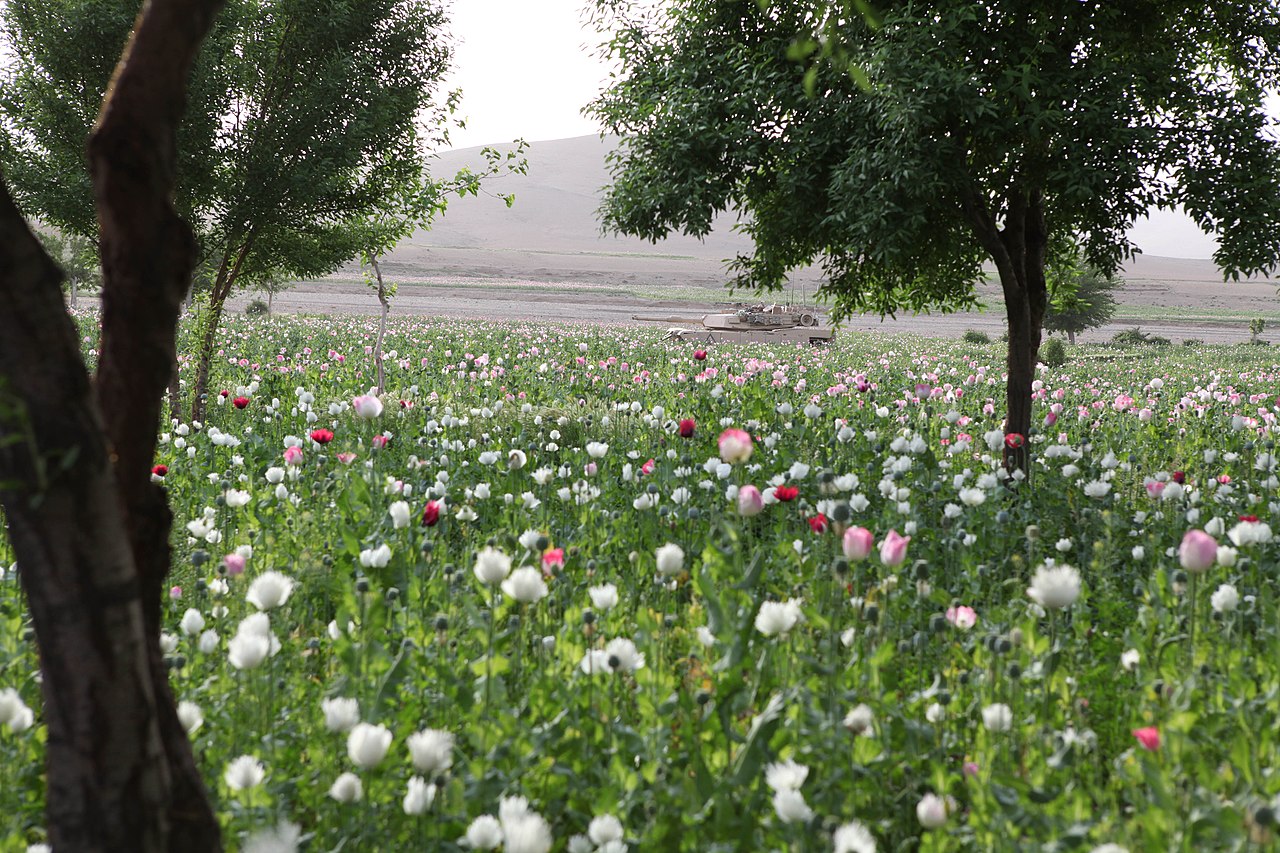
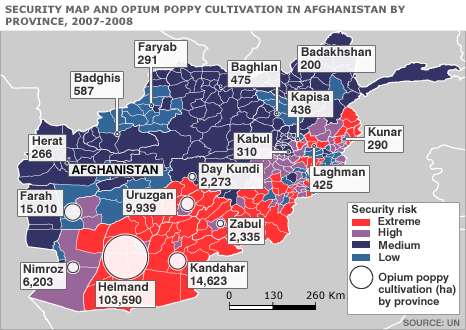
Decades of conflict in the region have affected livelihoods and state capacity, with consequences for the broader pattern of conflicts and the economy. In rural areas many households have turned to lucrative crops as a livelihood strategy. Cultivation of certain cash crops has sometimes been associated with criminal markets: authorities and analysts note links between cultivation, processing and trade in illegal drugs. In Afghanistan, the production chain for substances such as opium and its derivative heroin has been intertwined with local economies and, at times, insurgent financing.
Challenges to resolution and notable distinctions
Efforts to end the insurgency have included military operations, local ceasefires, negotiations and international assistance for reconstruction. Many analysts argue that military defeat of insurgent groups alone would not resolve underlying causes: governance deficits, weak public services, limited economic opportunities and regional political dynamics all influence stability. Distinguishing the insurgency as a military campaign from the broader political, economic and social crisis is important when designing long‑term solutions. For further context and contemporary reporting see related resources and analyses at Taliban, ISAF and NATO and regional studies such as those that address Pakistan and Khyber Pakhtunkhwa.
Questions and answers
Q: What is the Taliban insurgency?
A: The Taliban insurgency is an insurgency started by the Taliban in Afghanistan after the war began in 2001.
Q: Who did the Taliban attack during the insurgency?
A: The Taliban attacked the forces of ISAF and NATO in Afghanistan.
Q: Who does the Taliban fight against in the conflict?
A: The Taliban fights against the Afghan government and its allies.
Q: What is the insurgency in Khyber Pakhtunkhwa?
A: The insurgency in Khyber Pakhtunkhwa is the related conflict to the Taliban insurgency that spread to Pakistan.
Q: What is the main cash crop in Afghanistan?
A: The main cash crop in Afghanistan is poppy seeds which are used to produce illegal drugs such as opium or heroin.
Q: What do many people in Afghanistan think about the problems in the country?
A: Many people in Afghanistan do not think the problems in the country are caused by the Taliban.
Q: What will resolving the problem in Afghanistan involve?
A: Resolving the problem in Afghanistan will probably involve more effort than winning against the Taliban. It will also mean that there need to be changes in the economy and the way in which the country is run.
Related articles
Author
AlegsaOnline.com Taliban insurgency (post-2001 conflict in Afghanistan and Pakistan) Leandro Alegsa
URL: https://en.alegsaonline.com/art/96125
Sources
- npr.org : "Afghan Governor Wants Government To Control Poppy Crop"
- unodc.org : "Afghanistan Opium Survey 2007"
- unodc.org : "Opium Amounts to Half of Afghanistan's GDP in 2007, Reports UNODC"
- wbur.org : "Exploring The Taliban's Complex, Shadowy Finances"
- msnbc.msn.com : "msnbc.msn.com" · web.archive.org
- unodc.org : "unodc.org"
- pbs.org : "Afghanistan: The Forgotten War"
- theguardian.com : "UN horrified by surge in opium trade in Helmand"
- carnegieendowment.org : "Warlords As Bureaucrats: The Afghan Experience"
- nytimes.com : "Production of Opium by Afghans Is Up Again" · web.archive.org
- cia.gov : "Unemployment Rate"