
Anti-aircraft warfare: history, systems, and modern roles
Overview of anti-aircraft warfare (air defence): its weapons, development from WWI guns to post‑WWII missiles, tactics, organization, and modern distinctions such as AAA, flak and integrated air defence systems.
Anti-aircraft warfare, often called air defence, is the organized military effort to detect, track and defeat hostile aircraft and airborne weapons before they can hit their targets. It encompasses everything from handheld launchers and rapid-fire gun mounts to large ground-based missile batteries and shipboard close-in systems. The objective is to protect forces, infrastructure and population centers by denying enemy aircraft freedom of action through destruction, deterrence or interception.
Image gallery
10 Images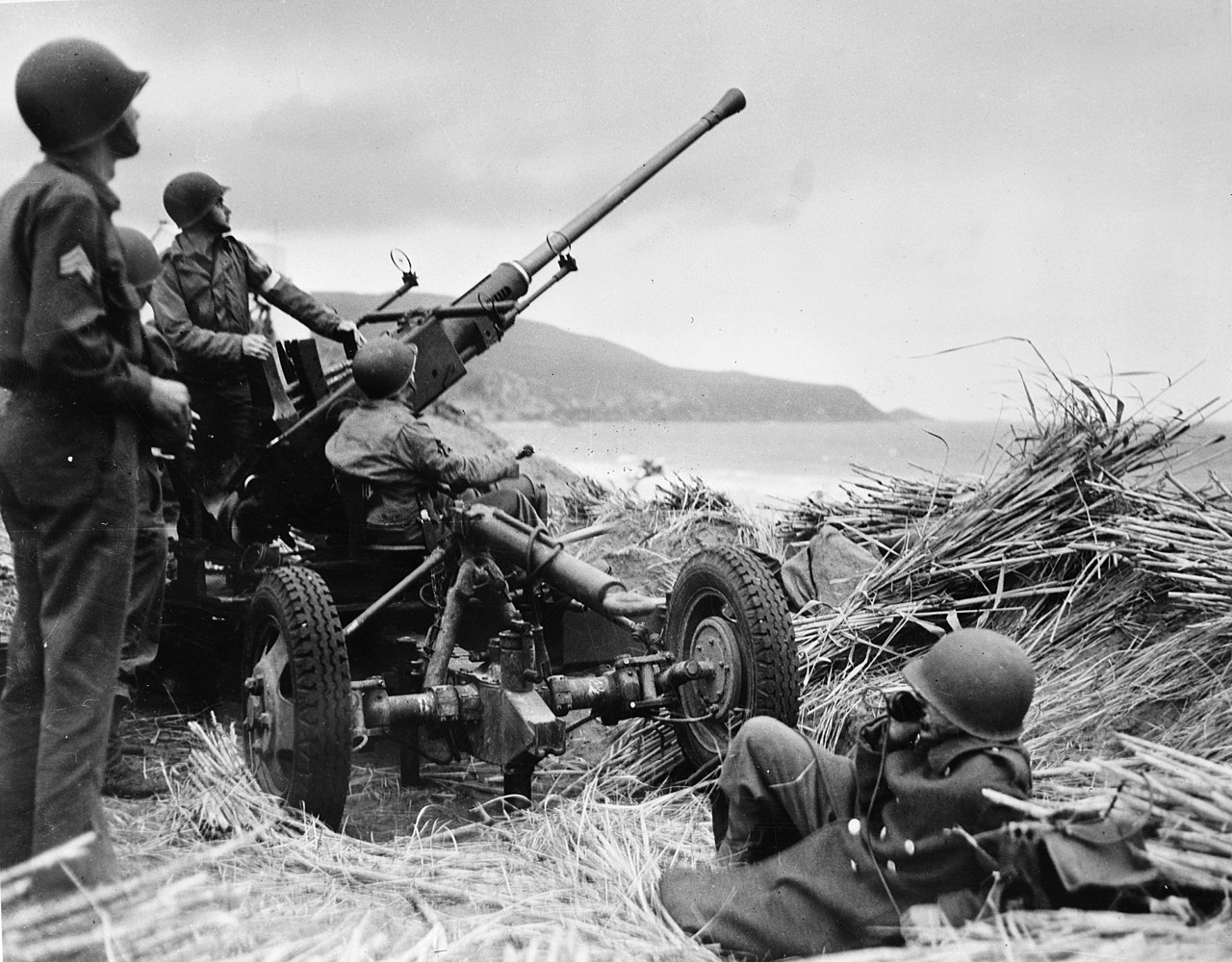




Primary components and weapons
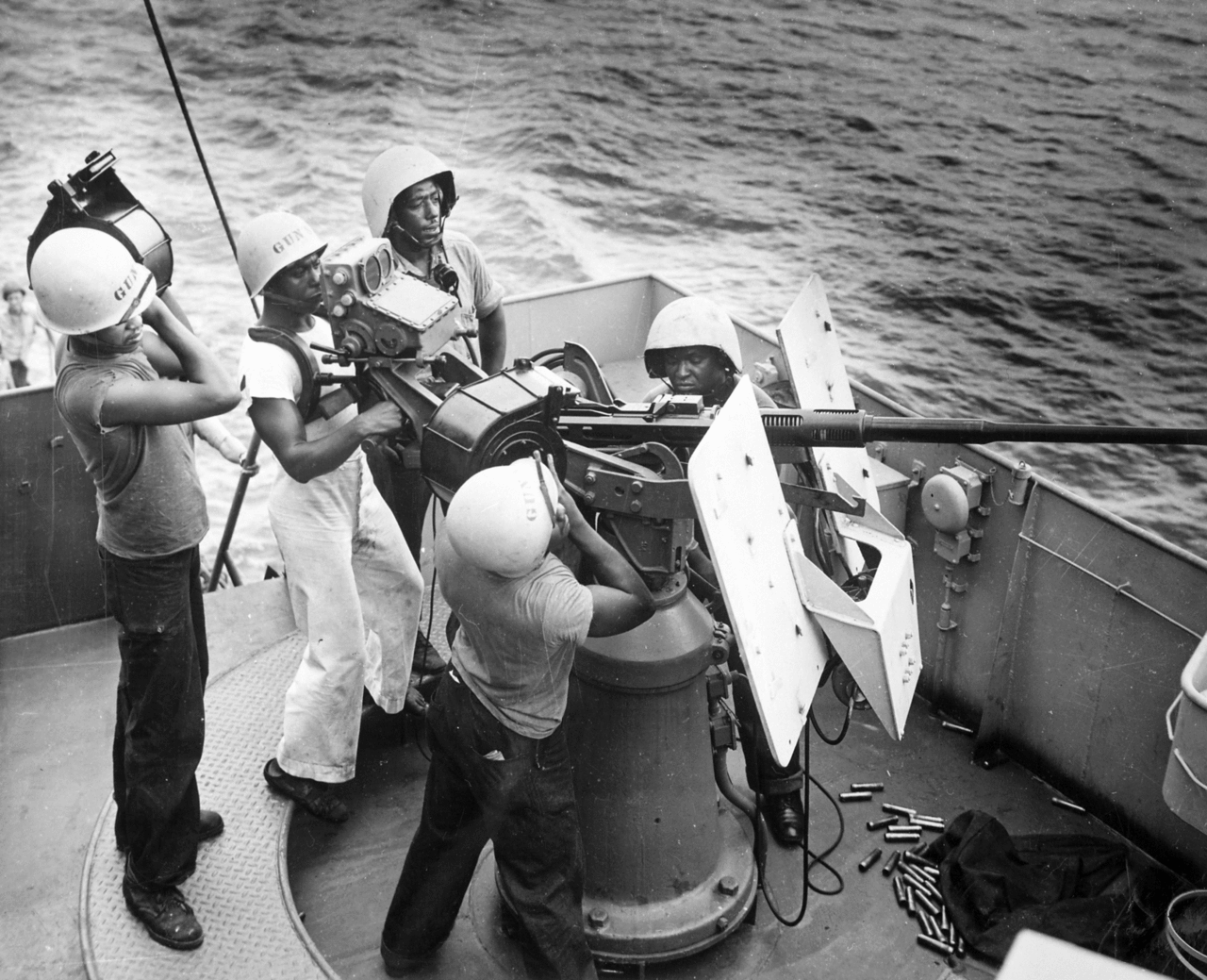
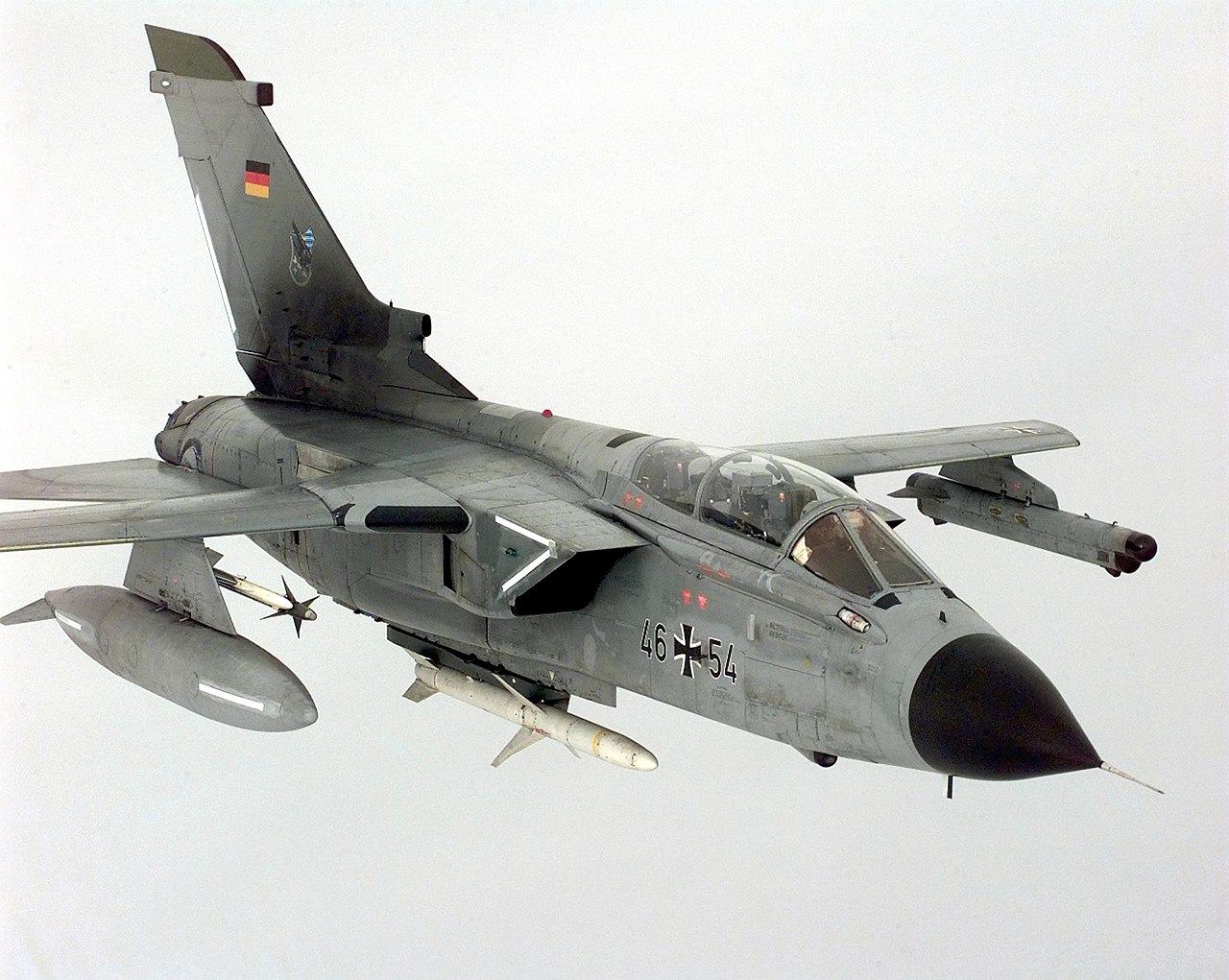
Historically the most visible elements of air defence were guns and cannons: high-angle artillery designed to engage targets at altitude. Light automatic guns provide close-range, rapid fire against low-flying aircraft, while larger-calibre cannons were used to reach higher-flying threats. From the mid-20th century onward, guided missiles—commonly called Surface-to-Air Missiles (SAMs)—became central, offering longer range and greater hit probability. Modern systems integrate radar, electro-optical sensors, command-and-control networks and fire-control computers; proximity fuzes, guided interceptors and layered defences help defeat fast or maneuvering targets.
History and development
Air defence traces back to the first use of military aircraft in World War I, when ground crews adapted field guns to shoot at observation planes and early bombers. Between the wars and during World War II, anti-aircraft firepower increased greatly: automatic weapons, specialized heavy guns, radar direction and improved ammunition raised effectiveness. The post-war era saw rapid growth in guided missile technology and the gradual replacement or supplementation of many gun roles by SAMs.
Tactics, organization and terminology
Air defence is organized in layers and roles: area and strategic air defence cover wide regions, while point and tactical systems protect specific units or installations. Short-range man-portable systems (MANPADS), vehicle-mounted missiles, and shipboard close-in weapon systems provide last-ditch defense. Fire plans, early warning, and integrated air-defence systems (IADS) combine sensors and shooters for coordinated responses. Common informal terms include nicknames like AAA and abbreviation forms for anti-aircraft artillery; the word flak (from the German Flugabwehrkanone) remains a frequent historical reference.
Importance and modern considerations
Air defence remains critical where air power is contested. Advances in stealth, drones, cruise missiles and precision weapons have required continual evolution: improved sensors, networked systems, electronic warfare countermeasures and layered interceptors. Effective defence combines technology, doctrine and training to reduce vulnerability to airborne attack while minimizing collateral risk.
- Key categories: light and heavy guns, short/medium/long-range SAMs, MANPADS, CIWS and integrated networks.
- Typical missions: homeland defence, force protection, convoy and base defence, naval air defence.
- Notable concepts: layered defence, early warning, shoot-look-shoot engagement cycles.
Questions and answers
Q: What is anti-aircraft warfare?
A: Anti-aircraft warfare is a way of fighting military aircraft in combat from the ground.
Q: What weapons have been used for anti-aircraft warfare since the first military aircraft were used in World War I?
A: Different guns and cannons have been used for anti-aircraft warfare since the first military aircraft were used in World War I.
Q: Have anti-aircraft weapons become more powerful over the years?
A: Yes, anti-aircraft weapons have become more powerful over the years.
Q: What are Surface to Air Missiles?
A: Surface-to-Air Missiles are missiles that are launched from the ground aimed at shooting down aircraft.
Q: When did Surface to Air Missiles start to be used?
A: Surface-to-Air Missiles started to be used after World War II.
Q: How are aircraft fought against today?
A: Aircraft are fought against today with both guns and cannons, as well as Surface-to-Air Missiles.
Q: What are some nicknames for anti-aircraft guns?
A: Some nicknames for anti-aircraft guns include AAA or triple-A, which is an abbreviation for anti-aircraft artillery, and flak or flack, which comes from the German Flugabwehrkanone, meaning aircraft defence cannon.
Tags
Related articles
Author
AlegsaOnline.com Anti-aircraft warfare: history, systems, and modern roles Leandro Alegsa
URL: https://en.alegsaonline.com/art/4602
Sources
- mw1.merriam-webster.com : Merriam-Webster dictionary