
Słupsk: city in northern Poland — overview, history and landmarks
Słupsk is a mid-sized city in northern Poland, in Pomeranian Voivodeship. Known for its medieval roots, river setting, cultural life and nearby Baltic coast, it has about 100,000 residents.
Słupsk is a city in northern Poland situated in the Pomeranian Voivodeship. It covers roughly 43.15 km² and is home to about 100,000 inhabitants. The urban area lies on the Słupia River and is relatively close to the Baltic coast, which has shaped its climate, economy and regional connections.
Image gallery
10 Images


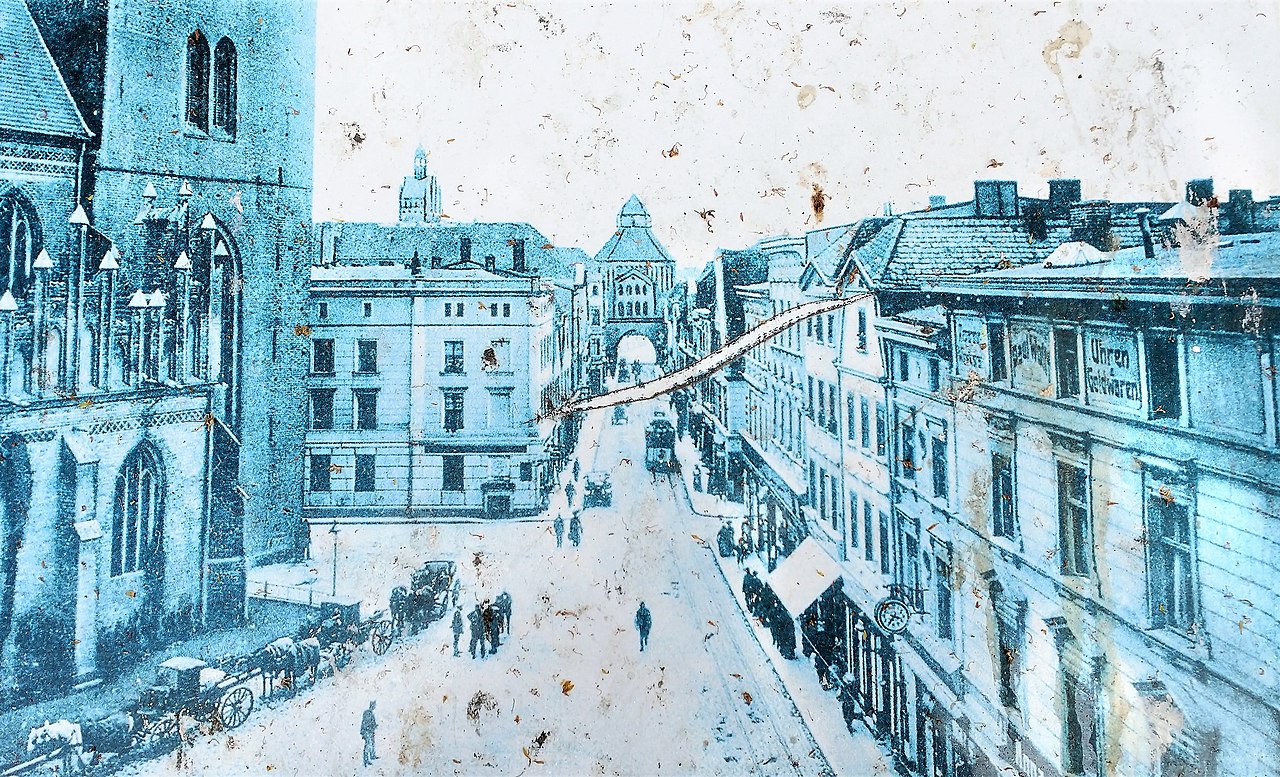


Geography and character
Słupsk combines a compact historic centre with surrounding residential districts and light industrial zones. Its position on a river valley and proximity to coastal resorts give it a mixed landscape of waterways, parks and low-lying hills. The climate is temperate with maritime influences that moderate seasonal extremes.
History and development
The town has medieval origins and for many centuries formed part of the broader Pomeranian region. Over time its governance and cultural influences shifted between Polish and German spheres; the German name Stolp is commonly found in older sources. After the mid-20th century changes in borders, Słupsk became firmly integrated into the modern Polish state and later into the Pomeranian Voivodeship.
Economy, education and culture
Local economic activity includes small and medium industry, services, trade and tourism linked to nearby seaside areas. The city hosts cultural institutions such as theatres, museums and galleries that serve the surrounding region. Educational facilities include secondary schools and regional colleges that support local professions and public services.
Notable sites
- Pomeranian-era castle and historic buildings in the old town
- Riverfront promenades and municipal parks
- Regional museums, theatres and cultural events
- Nearby Baltic beaches and the port town of Ustka, which is a common excursion destination
Słupsk functions as a regional centre for commerce, culture and administration, linking inland communities with coastal tourism. Its layered history, accessible urban core and green river corridors make it a representative example of smaller Polish cities that balance heritage and contemporary life.
Related articles
Author
AlegsaOnline.com Słupsk: city in northern Poland — overview, history and landmarks Leandro Alegsa
URL: https://en.alegsaonline.com/art/95132