
Battle of Majuba Hill (27 February 1881) — decisive engagement of the First Boer War
The Battle of Majuba Hill (27 Feb 1881) was the pivotal clash of the First Boer War near Volksrust, South Africa. A Boer victory led to British negotiations and influenced later military and political debates.
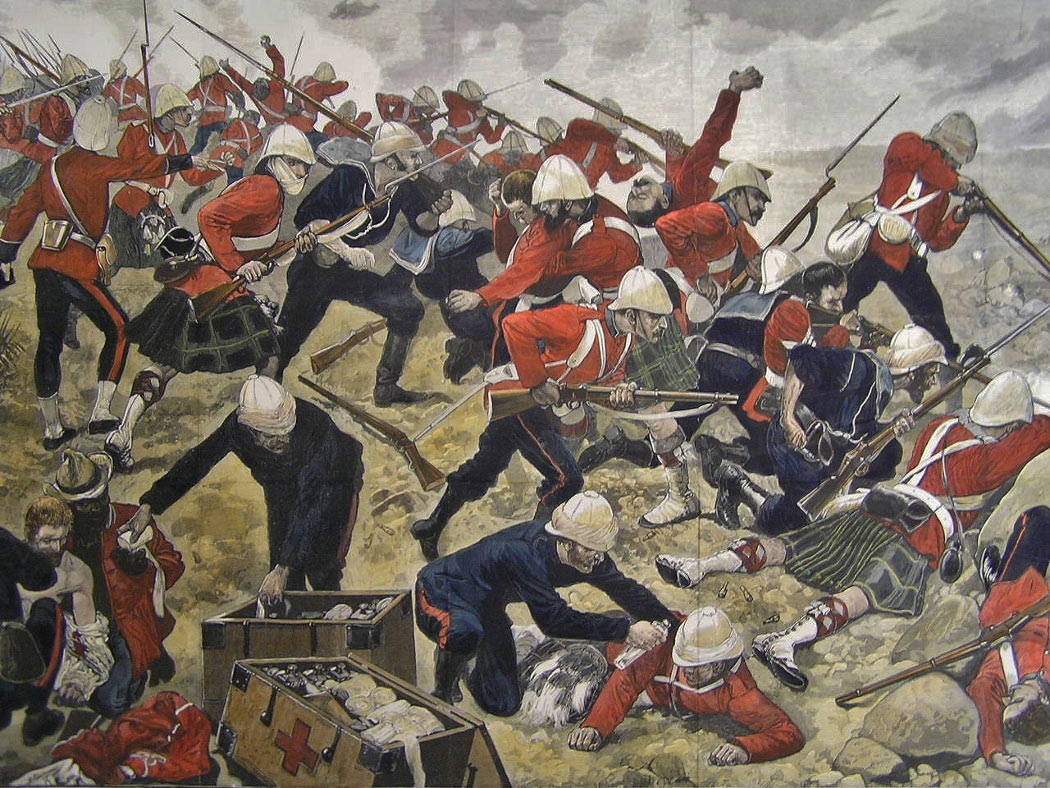
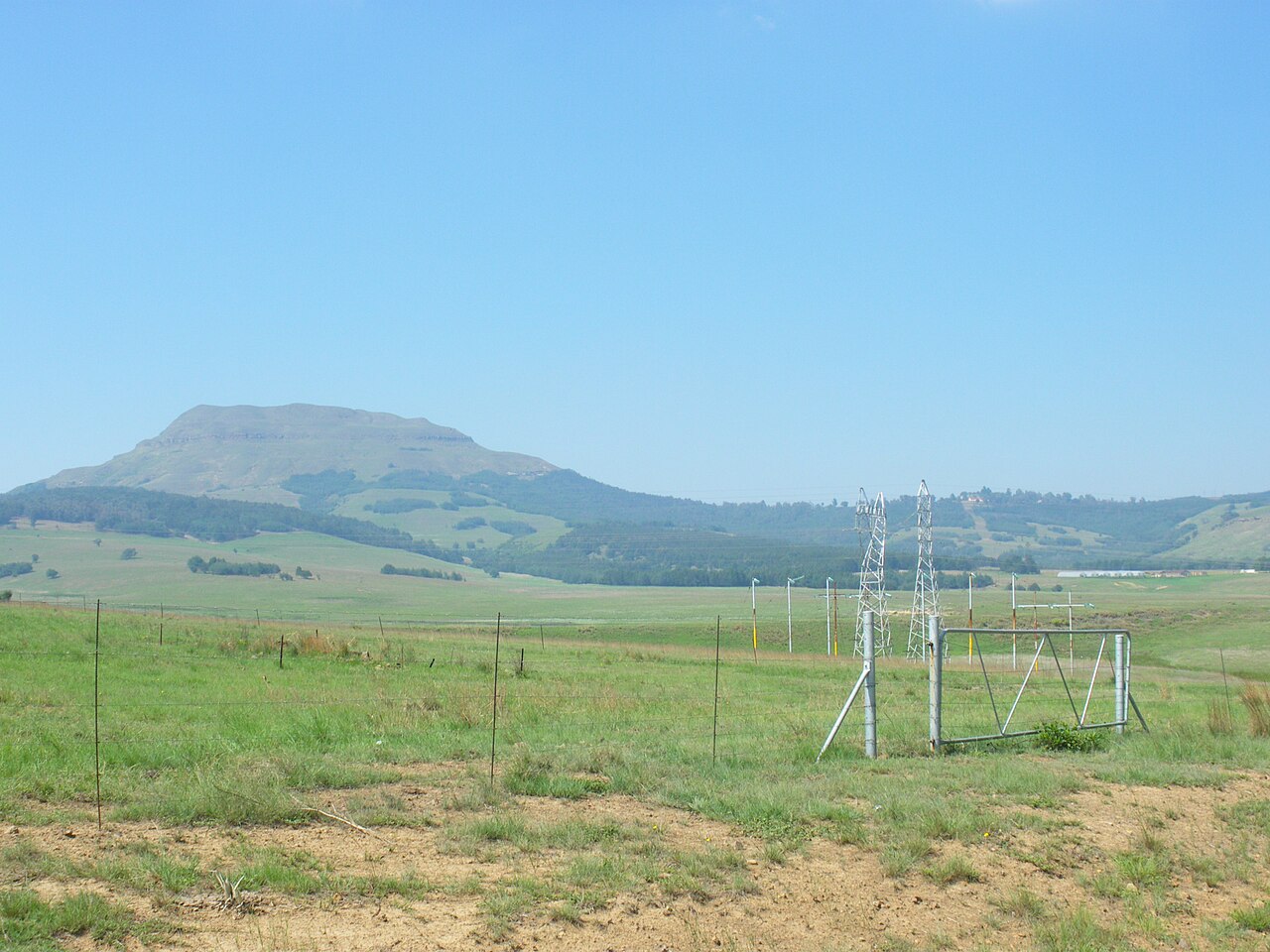
The Battle of Majuba Hill took place on 27 February 1881 near Volksrust in what is now South Africa. It was the single most decisive engagement of the First Boer War and is remembered for its unexpected outcome, the death of the British commander Major General Sir George Pomeroy Colley, and the rapid Boer assault that overturned a British attempt to dominate a local high ground. The action had immediate political consequences and a longer cultural legacy in both British and Boer memory.
Image gallery
4 Images

Background and strategic setting
The clash occurred in the closing phase of the First Boer War, a short campaign in which Boer settlers in the Transvaal resisted British attempts to annex and govern their republic. The British sought to secure key positions and relieve besieged garrisons by controlling nearby heights; occupying Majuba Hill was intended to dominate the surrounding valley and compel the Boers to withdraw. The battle is therefore best understood as part of a wider contest over local control and political authority between the British government and the South African Republic.
Course of the battle
British troops occupied the summit of Majuba Hill, but they were exposed and their defensive arrangements proved inadequate against agile Boer units. The Boers, largely composed of mounted riflemen and local commandos, used steep approaches and cover to close with the British positions. In a series of swift, coordinated moves the Boer fighters advanced uphill, using natural rock and veldt for protection, and overwhelmed British pickets and small parties. Major General Colley was killed on the hill during the fighting; his death symbolised the tactical failure of the British plan and triggered an immediate collapse of British control over the position.
Aftermath and consequences
The Boers' success at Majuba Hill convinced British political and military leaders to seek an end to large-scale operations. The fighting that followed culminated in negotiations and the signing of a settlement that restored self-government to the South African Republic under terms agreed with London. That outcome influenced later relations between Britain and the Boer republics and was cited as a rallying memory in the years before the Second Anglo-Boer War. Commemorative phrases such as "Remember Majuba" entered public discourse, and the battle featured in debates about imperial policy.
Tactics, significance and historical debate
Majuba Hill illustrated the effectiveness of accurate marksmanship, mobility, and small-unit tactics against a conventionally deployed force. Observers highlighted the Boers' use of cover, patience, and coordinated fire-and-movement — methods that differed from rigid linear tactics then common in some European armies. Military historians credit the engagement with demonstrating the potency of irregular, locally adapted warfare and influencing British tactical reassessments. At the same time, some commentators have argued cautiously that Majuba signalled a broader challenge to British imperial confidence, while others see it as one of several setbacks whose aggregate effect was more complex.
Key points and legacy
- The battle occurred on 27 February 1881 near Volksrust during the First Boer War.
- Boer forces routed an occupying British detachment and Major General Colley was killed.
- The result led to negotiations with the South African Republic and a settlement restoring Boer self-government.
- Majuba highlighted Boer tactics of mobility and marksmanship and became a touchstone in later military discussion.
- The defeat prompted debate about British policy and, in some accounts, contributed to perceptions of imperial decline among historians.
Today Majuba Hill remains a subject of study for military historians and a site of local historical memory. Interpretations of its importance vary, but the event is broadly acknowledged as a turning point in the First Boer War and an episode with lasting political and cultural echoes in South African and British histories.
Questions and answers
Q: What was the Battle of Majuba Hill?
A: The Battle of Majuba Hill was the main battle of the First Boer War that took place near Volksrust, South Africa on 27 February 1881.
Q: Why was the Battle of Majuba Hill important?
A: The Battle of Majuba Hill was important as it led to the signing of a peace treaty between the British and the South African Republic, which ended the First Boer War.
Q: What tactics were used by the Boers during the Battle of Majuba Hill?
A: The fire and movement tactics were used by the Boers during the Battle of Majuba Hill.
Q: Why were the tactics used by the Boers during the Battle of Majuba Hill significant?
A: The tactics used by the Boers during the Battle of Majuba Hill were significant as they were years ahead of their time and convinced the British of the Boers strength.
Q: What was the impact of the Battle of Majuba Hill on the British Empire?
A: Some important British historians say that the Battle of Majuba Hill marked the beginning of the decline of the British Empire.
Q: What is the significance of "Remember Majuba"?
A: "Remember Majuba" became a rallying cry during the Second Anglo-Boer War.
Q: When did the Battle of Majuba Hill take place?
A: The Battle of Majuba Hill took place on 27 February 1881.
Related articles
Author
AlegsaOnline.com Battle of Majuba Hill (27 February 1881) — decisive engagement of the First Boer War Leandro Alegsa
URL: https://en.alegsaonline.com/art/9505