
Sunan an‑Nasai (Sunan as‑Sughra) — Sunni Hadith Collection
A major Sunni hadith compilation by Ahmad ibn Shu'ayb al‑Nasa'i, known for its juridical organization and exacting approach to authentication; part of the Kutub al‑Sittah (six canonical books).
Overview
Sunan an‑Nasai is a classical Sunni hadith collection assembled by the scholar Ahmad ibn Shu'ayb al‑Nasa'i. It is commonly known in two forms: the larger work (al‑Kubra) and the abridged, widely circulated volume often called Sunan as‑Sughra or simply Sunan an‑Nasai. The collection is counted among the Kutub al‑Sittah, the six canonical books of hadith in Sunni Islam, and it is frequently cited in legal and theological discussions. For the Arabic title see Arabic: سنن النسائي.
Image gallery
2 Images
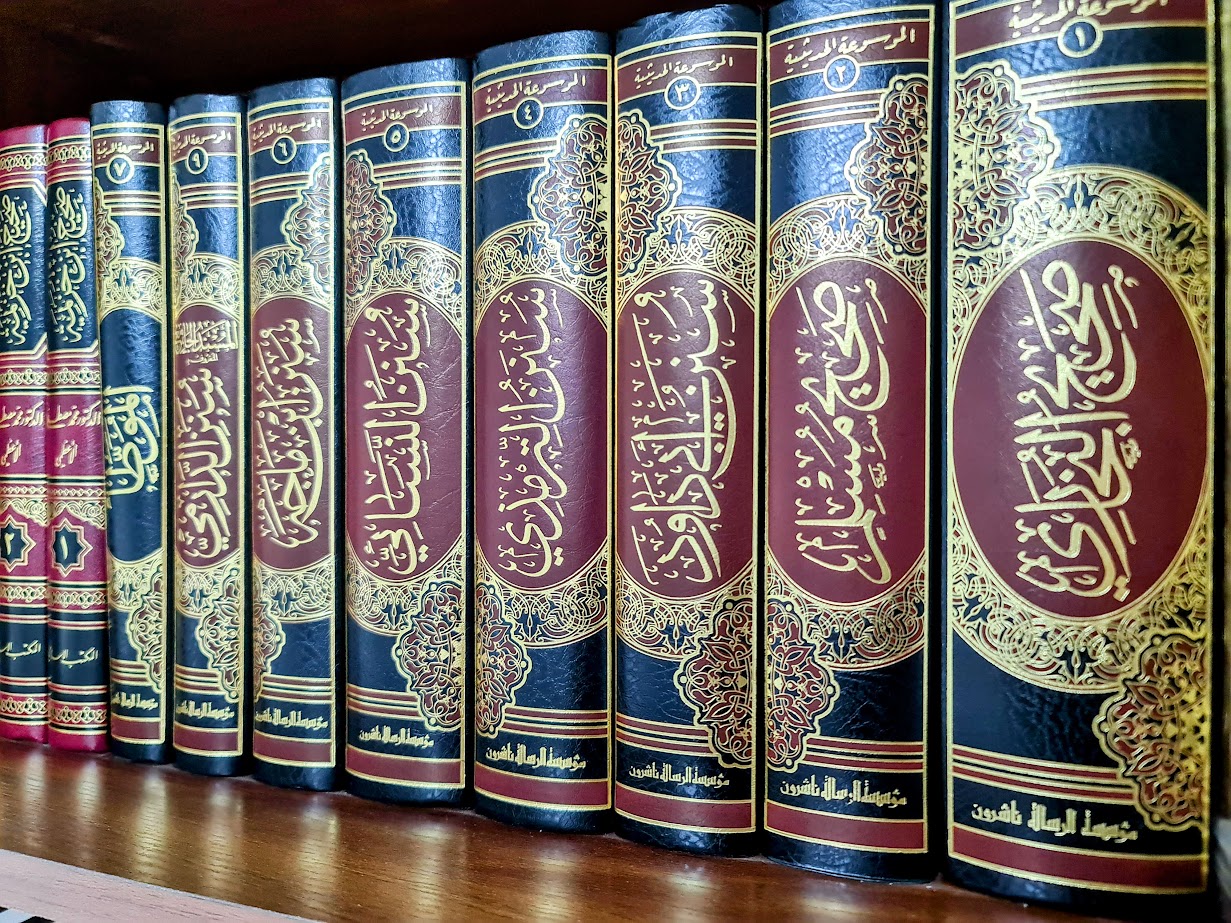
Contents and structure
The work is organized by topic, following a juristic (fiqh) arrangement: chapters address ritual matters, commercial transactions, personal conduct, penal law, and other issues pertinent to Islamic practice. Within each chapter the compiler records chains of transmission (isnads) and the text (matn) of the reports. Al‑Nasa'i's Sughra is a carefully selected subset drawn from his larger corpus with the aim of presenting the most reliable and relevant traditions.
History and compilation
Al‑Nasa'i compiled his hadiths during the classical formative period of hadith scholarship, a time when scholars traveled extensively to collect sayings attributed to the Prophet Muhammad and to assess their authenticity. He produced a comprehensive corpus and then produced the shorter Sunan as‑Sughra for wider use. The collection was preserved through manuscript transmission and later printed and translated editions, and it remains a standard reference in Sunni libraries and curricula.
Significance and reception
Sunan an‑Nasai is esteemed for its influence on legal rulings and scholarly debate. Sunni jurists and hadith critics regularly consult it alongside Sahih al‑Bukhari, Sahih Muslim, and the other works in the Kutub al‑Sittah. Its placement among the six canonical collections is reflected in traditional lists; readers may consult studies of the Kutub al‑Sittah for comparative context see related overview.
Notable characteristics
- Methodical chaptering by legal topics, making it a practical resource for jurists and students.
- A reputation for careful authentication: al‑Nasa'i applied strict criteria when accepting narrations, and he sometimes annotated or graded reports.
- Existence of a larger compendium (al‑Kubra) and the abridgement (as‑Sughra), the latter being the commonly referenced edition.
Use and distinctions
Unlike the two sahih collections that focus primarily on establishing authenticity, the Sunan genre emphasizes traditions with legal relevance; nevertheless, Sunan an‑Nasai is noted for combining juridical organization with a comparatively rigorous approach to transmitters. Scholars use it for extracting legal evidence, comparing variant wordings of hadith, and tracing chains of transmission. Its role complements other canonical works and contributes to the broader methodology of Sunni hadith criticism.
Questions and answers
Q: What is Sunan an-Nasai?
A: Sunan an-Nasai is one of the six major hadith collections in Islam.
Q: Who collected Sunan an-Nasai?
A: An-Nasai collected Sunan an-Nasai.
Q: What is Sunan as-Sughra?
A: Sunan as-Sughra is another name for Sunan an-Nasai.
Q: Why do Sunnis consider Sunan an-Nasai important?
A: Sunnis consider Sunan an-Nasai as the third most important of the six major hadith collections.
Q: What are the Kutub al-Sittah?
A: The Kutub al-Sittah are the six major hadith collections in Islam.
Q: Who is An-Nasai?
A: An-Nasai is the collector of Sunan an-Nasai.
Q: What language was Sunan an-Nasai written in?
A: Sunan an-Nasai was written in Arabic.
Related articles
Author
AlegsaOnline.com Sunan an‑Nasai (Sunan as‑Sughra) — Sunni Hadith Collection Leandro Alegsa
URL: https://en.alegsaonline.com/art/94863
Sources
- ahadith.co.uk : "Sunan An Nasa'i - Al Sughra English - Al Mujtaba"
- abc.se : "Various Issues About Hadiths"
- books.google.co.uk : "The Canonization of Al-Bukh?r? and Muslim: The Formation and Function of the Sunn? ?ad?th Canon"