
SummerSlam (2002): WWE’s 15th SummerSlam at Nassau Veterans Memorial Coliseum
Overview, matches, and significance of SummerSlam (2002), the World Wrestling Entertainment pay-per-view held August 25, 2002 in Uniondale, New York.
SummerSlam (2002) was a professional wrestling pay-per-view produced by World Wrestling Entertainment on August 25, 2002, at the Nassau Veterans Memorial Coliseum in Uniondale, New York. It was the fifteenth edition of the annual SummerSlam event and took place during the first year of WWE's brand split, with matches representing both the Raw and SmackDown! rosters as well as interpromotional contests. The show is best remembered for several high-profile matches that involved major championship stakes and long-running rivalries.
Image gallery
2 Images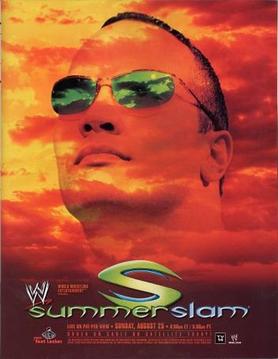

Context and build-up
By mid-2002 WWE was presenting separate rosters after instituting a brand division earlier that year. Storylines converged on SummerSlam as a summer climax for both brands. The card mixed traditional title defenses with grudge matches: the Undisputed Championship was defended in a marquee SmackDown! main event, Raw showcased a personal, violent encounter billed as an "Unsanctioned Street Fight," and the Intercontinental title was contested in a featured interpromotional match.
Main matches and outcomes
- WWE Undisputed Championship (SmackDown! main event) — Brock Lesnar defeated The Rock by pinfall after executing his finishing move, winning the Undisputed Championship (WWE Undisputed Championship).
- Unsanctioned Street Fight (Raw main event) — Shawn Michaels defeated Triple H by pinfall when he reversed a pedigree attempt into a roll-up. The bout was presented as a no-disqualification, violent encounter outside the usual rules.
- Interpromotional contest for the Intercontinental title — Rob Van Dam defeated Chris Benoit to win the WWE Intercontinental Championship, scoring the victory with a high-flying finishing maneuver.
Event characteristics and presentation
SummerSlam 2002 blended spectacle with physical storytelling. The Unsanctioned Street Fight emphasized personal animosity and used weapons and ringside brawling to distinguish it from a standard match. The Undisputed Championship match was promoted as a passing-of-the-torch style encounter between an established star and a younger heavyweight. The Intercontinental match highlighted in-ring athleticism and was showcased as an inter-brand attraction, giving the midcard title prominent billing on the pay-per-view.
Reception and legacy
Critics and fans noted the event for its mix of big-title drama and intense singles contests. The Undisputed Championship change was a notable moment in Brock Lesnar's early main-event run, while the Raw main event continued the long-running rivalry between Shawn Michaels and Triple H. The Intercontinental title change elevated the profile of that championship on a major show. As the first SummerSlam after the brand split, the card illustrated how WWE was using both separate and interpromotional matches to advance storylines across Raw and SmackDown!.
Notable facts
- This edition marked the 15th annual SummerSlam event in WWE's calendar.
- The show combined brand-specific main events with at least one interpromotional title match to broaden appeal.
- SummerSlam 2002 remains a reference point for the early-2000s WWE landscape, when the company was reshaping its roster structure and storytelling approach.
For more detailed match listings, wrestler biographies, and archival notes related to this event, see the promotion and talent pages linked here: professional wrestling, pay-per-view, WWE, Nassau Veterans Memorial Coliseum, Uniondale, New York, SummerSlam, Brock Lesnar, The Rock, Undisputed Championship, Shawn Michaels, Triple H, Rob Van Dam, Chris Benoit, and Intercontinental Championship.
Questions and answers
Q: When was SummerSlam (2002) held and where?
A: SummerSlam (2002) was held on August 25, 2002 at Nassau Veterans Memorial Coliseum in Uniondale, New York.
Q: Who won the main match for the SmackDown! brand in SummerSlam (2002)?
A: Brock Lesnar defeated The Rock to win the WWE Undisputed Championship in the main match for the SmackDown! brand in SummerSlam (2002).
Q: How did Lesnar win the main match for the SmackDown! brand in SummerSlam (2002)?
A: Lesnar won the main match for the SmackDown! brand in SummerSlam (2002) by pinfall after he hit The Rock with the F-5.
Q: Who won the main match for the Raw brand in SummerSlam (2002)?
A: Shawn Michaels defeated Triple H in an Unsanctioned Street Fight to win the main match for the Raw brand in SummerSlam (2002).
Q: How did Michaels win the main match for the Raw brand in SummerSlam (2002)?
A: Michaels won the main match for the Raw brand in SummerSlam (2002) by pinfall after he reversed Triple H's pedigree attempt into a jackknife roll-up.
Q: Who won the main match which was featured from both brands in SummerSlam (2002)?
A: Rob Van Dam won the interpromotional match between Rob Van Dam and Chris Benoit for the WWE Intercontinental Championship, which was the main match featured from both brands in SummerSlam (2002).
Q: How did RVD win the main match which was featured from both brands in SummerSlam (2002)?
A: RVD won the main match which was featured from both brands in SummerSlam (2002) by pinfall after he hit the Five-Star Frog Splash on Benoit, thus winning the WWE Intercontinental Championship.
Related articles
Author
AlegsaOnline.com SummerSlam (2002): WWE’s 15th SummerSlam at Nassau Veterans Memorial Coliseum Leandro Alegsa
URL: https://en.alegsaonline.com/art/94802
Sources
- wwe.com : "Event Venue"
- wwe.com : "Full Event Results"