
SummerSlam (WWE annual event)
SummerSlam is WWE's major annual professional wrestling pay-per-view held each August. It features top championship matches, high-profile storylines and is one of WWE's original 'Big Four' events.
Overview
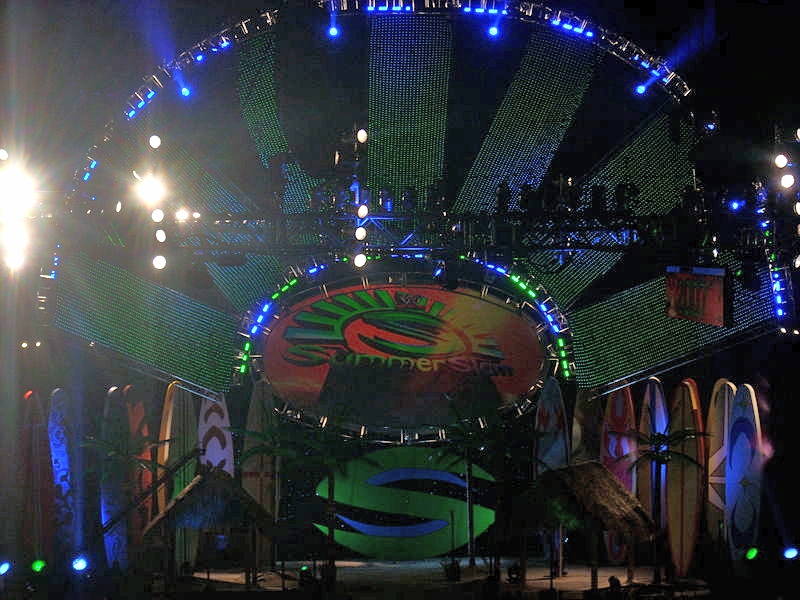
SummerSlam is a yearly professional wrestling event promoted by World Wrestling Entertainment (WWE), traditionally staged in August. Billed as a summer centerpiece and often nicknamed "The Biggest Party of the Summer," it brings together top stars, marquee championship matches, and storyline culminations that television episodes build toward. The show has been one of WWE's flagship pay-per-views since its inception and remains a highlight of the wrestling calendar.
Image gallery
4 Images


Origins and evolution
First held in the late 1980s, SummerSlam was created to expand WWE's slate of major events beyond its other marquee shows. Over the decades the event has grown in scale, moving from arena settings to large stadiums on occasions when attendance and card size justify the expansion. Changes in broadcasting technology and WWE's distribution methods—shifts from traditional pay-per-view to the WWE Network and later partnerships with streaming platforms—have affected how fans access the show.
Format and characteristics
SummerSlam typically features a mix of match types and stipulations, including world championship bouts, women's championship matches, tag team contests, and special attraction matches. Cards are usually topped by one or two high-profile main events and may include:
- Title matches for WWE's primary championships
- Grudge matches that resolve long-running storylines
- Matches featuring celebrity appearances or cross-promotional elements
Significance and notable aspects
As one of WWE's original "Big Four" pay-per-views, SummerSlam is grouped alongside WrestleMania, Royal Rumble, and Survivor Series. Its placement in late summer makes it a natural turning point for yearly narratives, where feuds can either be resolved or intensified leading into the autumn season. Prominent performers often have career-defining moments at SummerSlam, and successful outcomes there can shape booking decisions for months.
How fans engage and where to learn more
Fans follow SummerSlam through live attendance, pay-per-view purchases, and streaming services. Coverage includes build-up shows, weekly television programming, and post-event analysis. For official details, schedules and ticketing, WWE's platforms and promotional materials are primary sources: see WWE's event pages and promotional announcements via their outlets such as promotional pages and streaming guides. Historical accounts and match lists are compiled by wrestling archives and media outlets; additional context can be found through general wrestling references and fan resources such as industry overviews.
Distinctions and final notes
SummerSlam is distinct from other WWE shows because of its seasonal branding and consistent status among the company's top-tier events. Its reputation stems from both memorable matches and the strategic role it serves in WWE's annual programming. For comparisons between major WWE events and to explore the event's past editions, consult archived results and retrospective features available through primary wrestling media and fan repositories (Royal Rumble info, Survivor Series info, and WrestleMania info).
Questions and answers
Q: What is SummerSlam?
A: SummerSlam is a yearly professional wrestling pay-per-view event held in August by World Wrestling Entertainment (WWE).
Q: When is SummerSlam held?
A: SummerSlam is held in August every year.
Q: What is the significance of SummerSlam in the world of professional wrestling?
A: SummerSlam is often referred to as "The Biggest Party of the Summer" and is considered one of the "Big Four" pay-per-view events along with WrestleMania, Royal Rumble, and Survivor Series.
Q: Who organizes SummerSlam?
A: SummerSlam is organized by World Wrestling Entertainment (WWE).
Q: How long has SummerSlam been taking place?
A: SummerSlam has been taking place since the early days of WWE and is one of the original four yearly WWE pay-per-view events.
Q: What is the difference between SummerSlam and other pay-per-view events?
A: SummerSlam is one of the "Big Four" pay-per-view events which makes it a larger and more significant event as compared to other pay-per-view events.
Q: What are some other of the "Big Four" pay-per-view events?
A: WrestleMania, Royal Rumble, and Survivor Series are the other "Big Four" pay-per-view events.
Related articles
Author
AlegsaOnline.com SummerSlam (WWE annual event) Leandro Alegsa
URL: https://en.alegsaonline.com/art/94817
Sources
- wwe.com : "Let the Party Begin"
- wrestleview.com : "Reader Notes: Bret Hart, WWE in Elmira, 2009 PPVs"