
Battle of Camden (1780)
A decisive British victory in South Carolina during the American Revolutionary War on August 16, 1780, where American forces under Horatio Gates were routed, affecting the Southern campaign.
The Battle of Camden was fought on August 16, 1780, north of the town of Camden in South Carolina. It was a major engagement in the southern theater of the American Revolutionary War and ended in a clear British victory. The defeat badly damaged the reputation of the American commander and left the British temporarily dominant in South Carolina.
Image gallery
8 Images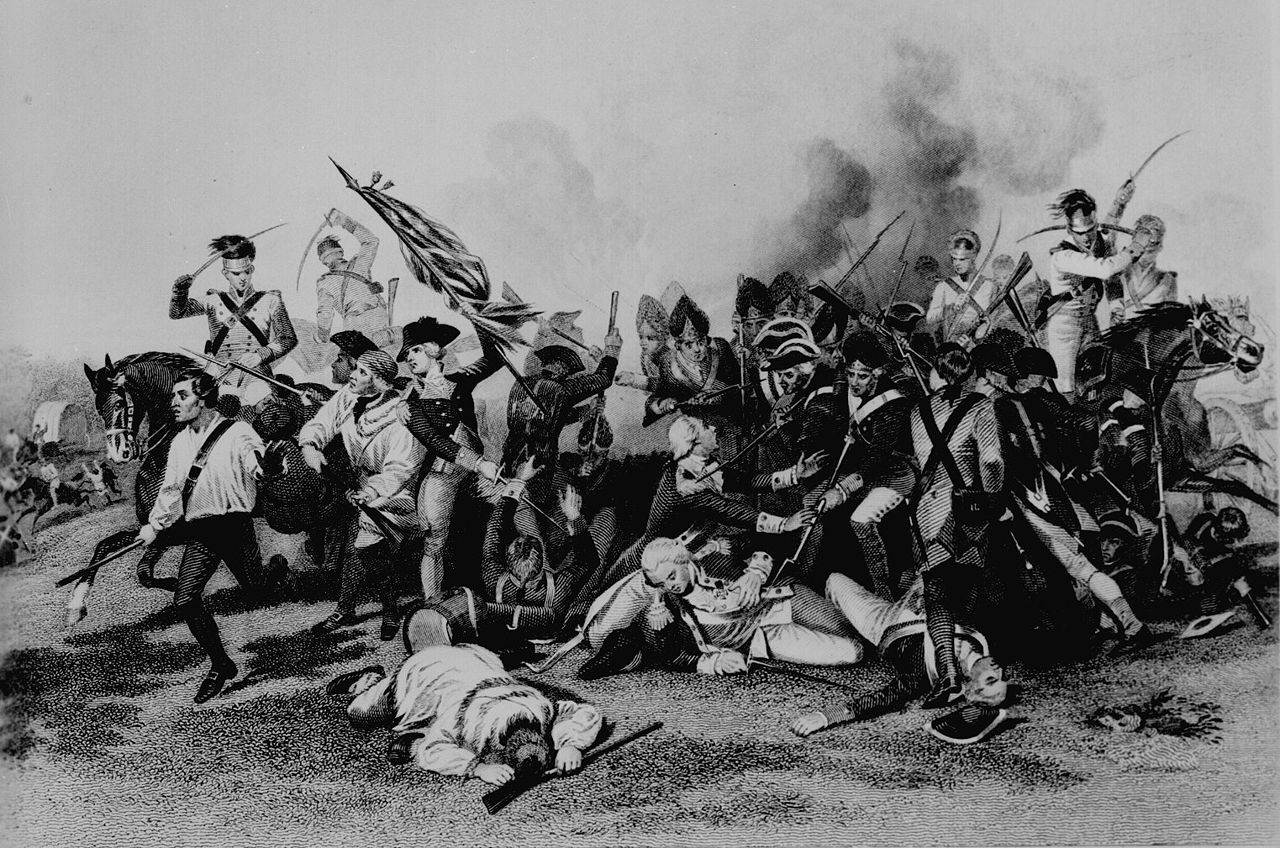




Background
In 1780 the British pursued a southern strategy meant to rally Loyalists and regain control of the American colonies. Continental and militia forces moved to resist that advance. American troops under General Horatio Gates marched south to confront the British and hoped to strike a blow that would reverse British gains. The opposing force was made up of British regulars and Loyalist units operating under the overall command of Lord Cornwallis.
Forces and leadership
The American army combined Continental regulars and largely untested militia. Command fell to Major General Horatio Gates, whose earlier success at Saratoga raised expectations. British field forces consisted of experienced regular soldiers and provincial units. Leadership, training and battlefield experience favored the British, while many American militia lacked cohesion in prolonged combat.
The battle
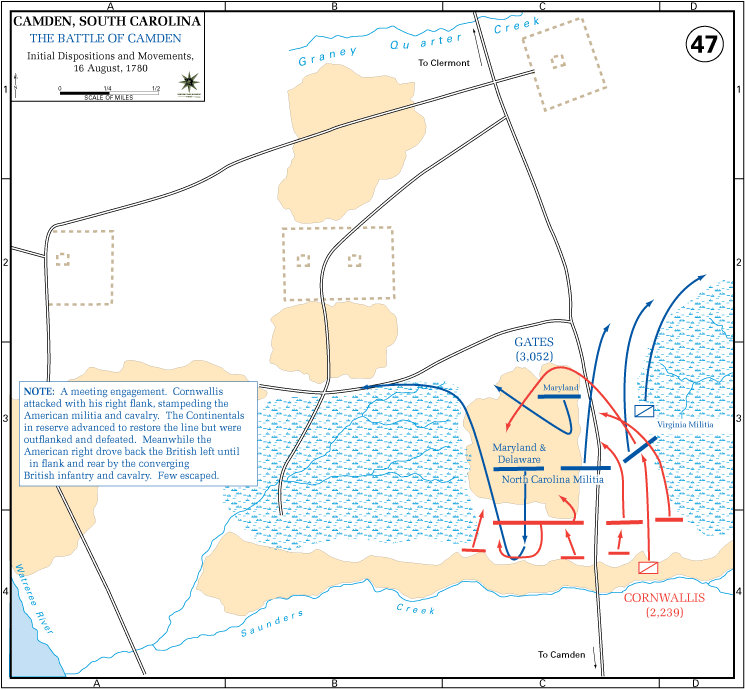
When contact occurred, British troops launched coordinated attacks against the American lines. Militia units on the American flank broke under pressure, creating disarray that spread to the main body of Gates’s army. Continental soldiers fought but were gradually overwhelmed; several senior American officers were wounded or killed, including the respected Baron de Kalb. The fighting ended in a rout, with large numbers of American soldiers killed, wounded or captured.
Aftermath and significance
The British victory at Camden secured their control of much of South Carolina for a time and encouraged Loyalist efforts. For the American side, the defeat was one of the most serious reversals in the war and led to command changes: General Gates’s reputation suffered and he was eventually replaced in the southern command. The engagement underscored the limits of militia effectiveness against veteran troops and shaped subsequent American strategy in the South.
For further context on the combatants and consequences, see materials about the United States, the American Revolutionary War, and the British Army.
Related articles
Author
AlegsaOnline.com Battle of Camden (1780) Leandro Alegsa
URL: https://en.alegsaonline.com/art/9453