
Student's t-test
A statistical procedure for comparing means: one-sample, paired, and two-sample variants; includes assumptions, interpretation, history, uses, and common limitations.
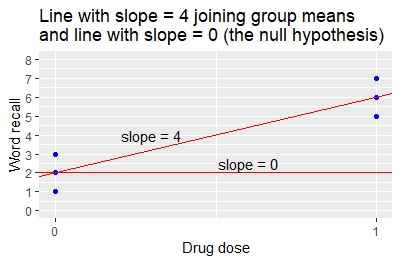
The Student's t-test is a family of statistical hypothesis tests used to assess whether sample means differ from a specified value or from each other. It summarizes differences with a t statistic and evaluates how likely those differences are under a null hypothesis, producing a p-value and permitting construction of confidence intervals. The t-test is widely applied in sciences, medicine, engineering and social research to compare group averages when sample sizes are modest and population variance is unknown. For more background see further resources.
Image gallery
6 Images


Common types
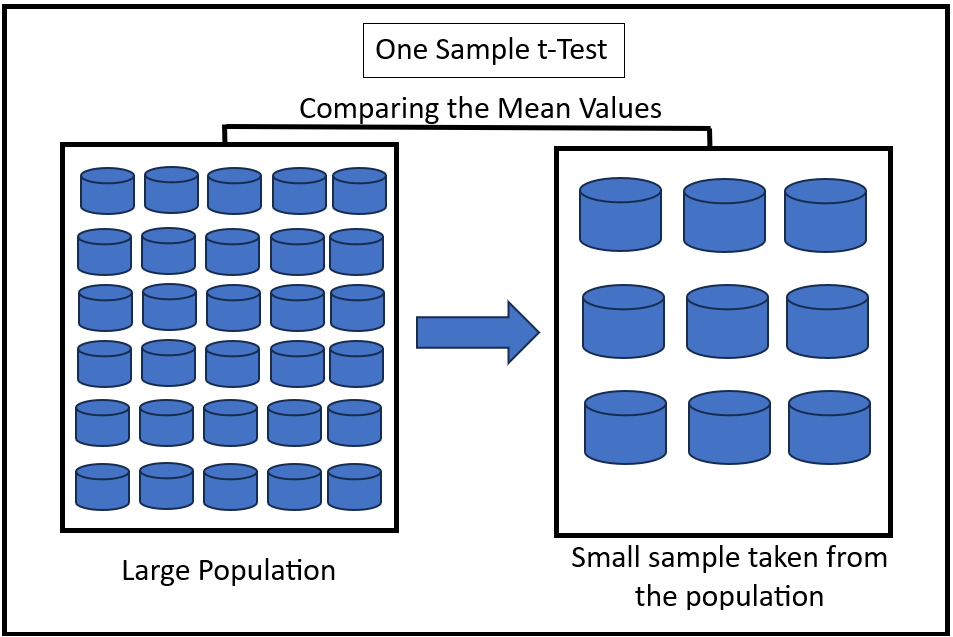
- One-sample t-test: compares a sample mean to a known or hypothesized population mean (for example, testing if the average weight differs from 70 kg).
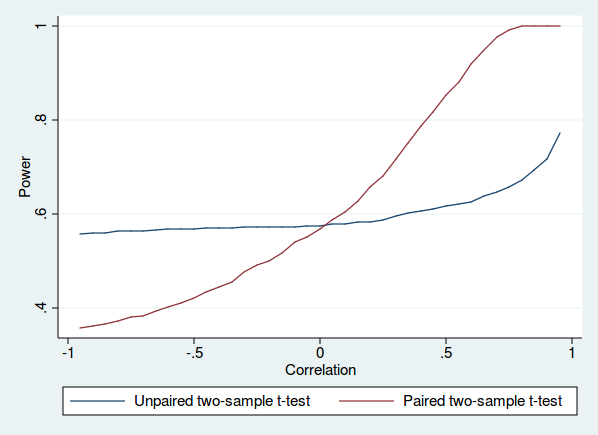
- Independent two-sample t-test: compares means of two independent groups. Variants include the pooled t-test (assumes equal variances) and Welch's t-test (does not assume equal variances).
- Paired (dependent) t-test: compares means of matched or repeated measurements (for example, before-and-after measurements on the same subjects).
Key assumptions
- Observations are independent within and between groups (unless the design is paired).
- The underlying distribution of the measurement is approximately normal, especially for small samples.
- For the pooled two-sample t-test, group variances are assumed equal; Welch's t-test relaxes this.
- The statistic is robust to modest departures from normality when sample sizes are moderate or large.
Formally, the one-sample t statistic is t = (x̄ − μ)/ (s/√n), where x̄ is the sample mean, μ the null mean, s the sample standard deviation and n the sample size. Two-sample formulas replace μ with the other sample mean and adjust the denominator to reflect pooled or separate variances; degrees of freedom differ between pooled and Welch's methods. Results are interpreted via two-sided or one-sided tests, p-values and confidence intervals. Effect-size measures such as Cohen's d complement p-values by quantifying practical magnitude.
History, uses and limitations
The test was published under the pen name "Student" by William Sealy Gosset in the early 20th century while working at a brewery. It remains a standard inferential tool for experiments and observational studies. Limitations include sensitivity to heavy-tailed distributions, small sample sizes, and nonindependence; alternatives include nonparametric tests (e.g., Wilcoxon), permutation tests, or bootstrap methods when assumptions are doubtful. In reporting, include test type, assumptions checked, test statistic, degrees of freedom, p-value, confidence interval and an effect-size estimate.
Practical implementations are available in most statistical software and programming languages; choose the variant (pooled vs Welch, paired vs independent) to match the study design and always examine data distribution and variance patterns before drawing conclusions.
Related articles
Author
AlegsaOnline.com Student's t-test Leandro Alegsa
URL: https://en.alegsaonline.com/art/94390