
German invasion of Belgium (May 1940)
The German invasion of Belgium in May 1940 was a rapid offensive that formed part of the wider Battle of France, leading to the occupation of Belgium and the encirclement of Allied forces, precipitating the Dunkirk evacuation.
Overview
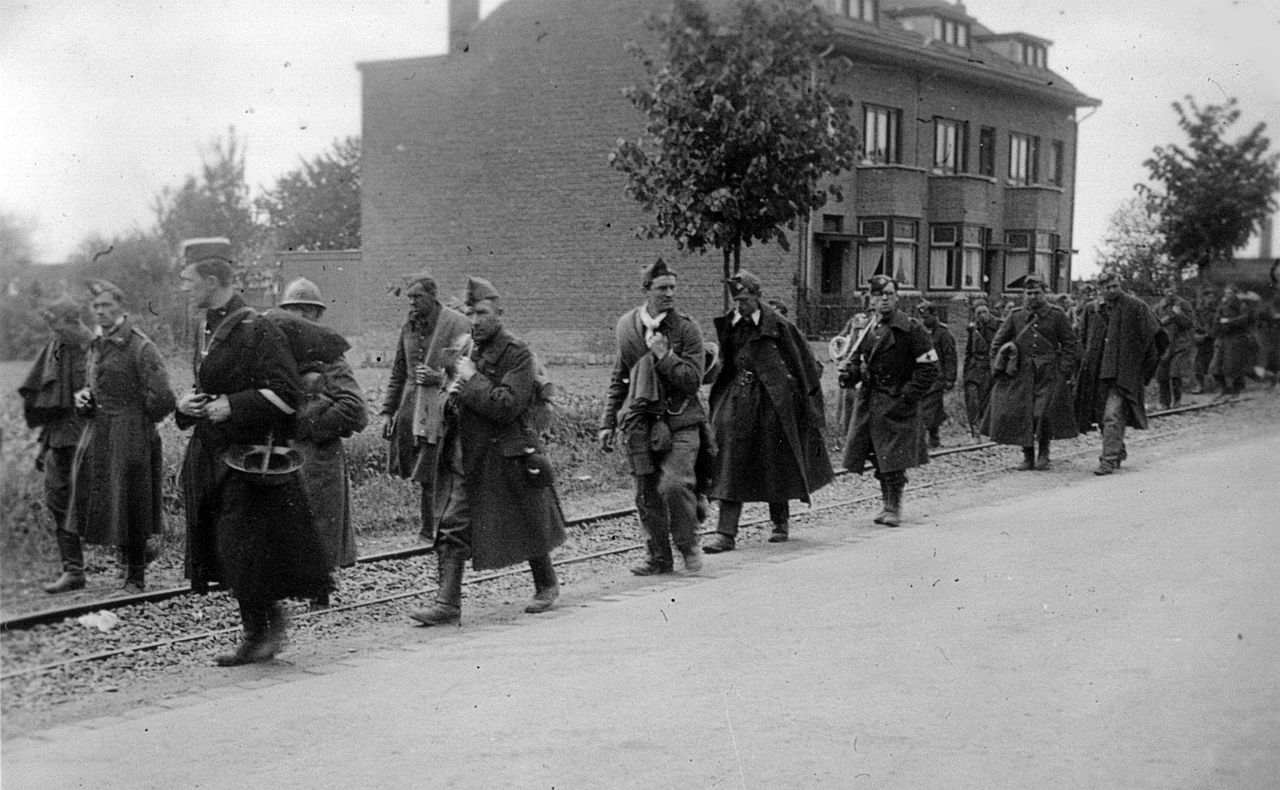
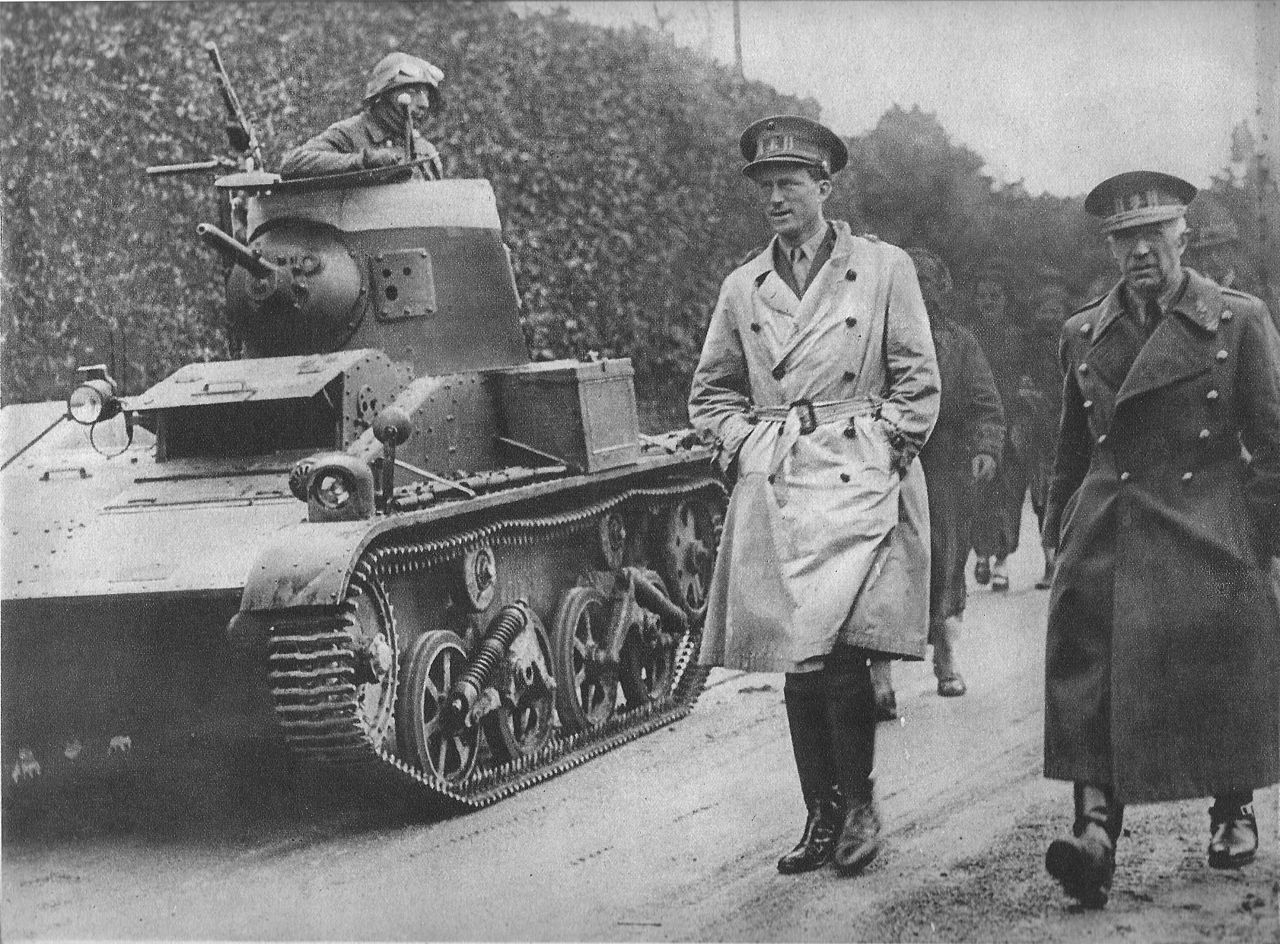
The German invasion of Belgium began on 10 May 1940 and formed the northern wing of the wider German offensive against France and the Low Countries during the Second World War. Launched under the operational name Fall Gelb (Case Yellow), the campaign combined fast-moving armored formations, close air support and paratroop assaults in a style later labelled "blitzkrieg." Belgian resistance continued until the surrender of the Belgian Armed Forces on 28 May 1940, after which Belgium was occupied by German forces until the later stages of the war.
Image gallery
10 Images





Strategic background and objectives
German planners sought to bypass the strongest Allied defences on the French border by thrusting through the Low Countries and the lightly defended Ardennes. The attack into Belgium drew significant Allied forces northward because the Allies expected a repetition of a large-scale advance through Belgian territory. This Allied deployment created an opportunity for German armored units to exploit the Ardennes gap, cross the Meuse and drive to the English Channel, cutting off the Allied armies assembled in Belgium.
Course of the campaign
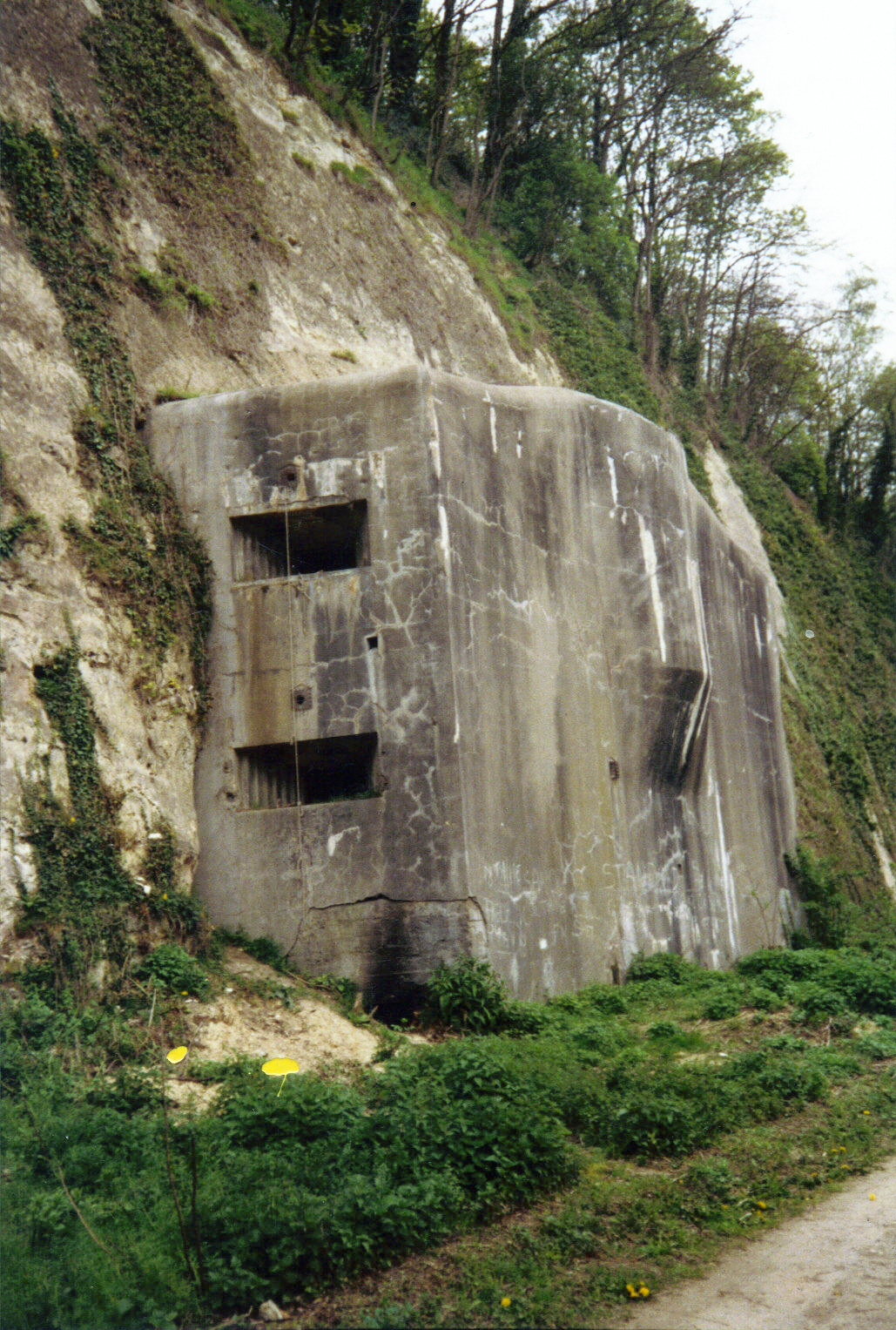
The campaign opened with intense fighting on multiple fronts. German airborne and glider troops assaulted key fortifications, most famously the capture of Fort Eben-Emael by paratroopers and glider-borne troops on the first day, a striking example of airborne operations that surprised defenders. Rapid Panzer thrusts then pushed through French lines elsewhere and reached the Channel coast within days, isolating Allied formations in Belgium and northern France.
- 10 May 1940: German operations begin against Belgium, the Netherlands and France.
- Early May: Assaults on forts and river crossings, including the glider assault on Fort Eben-Emael.
- Mid-May: Breakthroughs in the Ardennes and Meuse crossings allow German forces to reach the Channel coast.
- Late May: Allied units become encircled; an evacuation from Dunkirk is mounted while Belgium negotiates surrender.
Key tactics and notable actions
The campaign combined novel uses of air-transported troops with concentrated armor and air support. The assault on Fort Eben-Emael demonstrated how airborne forces could neutralize static strongpoints. The rapid armored drive to the coast severed communications and supply lines for the Allied northern armies, achieving operational surprise and mobility that outpaced Allied command responses.
Aftermath and significance
The fall of Belgium contributed directly to the wider collapse of Allied defensive positions in northwestern Europe and set the conditions for the evacuation of British and many French troops from Dunkirk. Belgium then remained under German occupation until liberated by Allied forces during the western advances of 1944–1945. The 1940 campaign had enduring consequences for military doctrine, demonstrating the effectiveness of combined-arms shock tactics and airborne operations.
Further reading
For broader context on the 1940 campaign see the wider Battle of France. For information on the German armed forces and doctrine at the time consult sources on Germany in 1940. The strategic implications of the Channel crossing and coastal operations are discussed in works on the English Channel campaigns. The airborne assault on fortified positions, an important innovation in the campaign, is described in studies of early paratroop operations.
Questions and answers
Q: What was the Battle of Belgium?
A: The Battle of Belgium was an offensive campaign by Germany during the Second World War, which took place over 18 days in May 1940.
Q: How did the Battle of Belgium end?
A: The battle ended with the German occupation of Belgium following the surrender of the Belgian Army on May 28, 1940.
Q: What did the Allied Armies think was the main German attack during the Battle of Belgium?
A: The Allied Armies thought that the German attack in Belgium was the main one.
Q: What happened after the French committed their best armies to Belgium during the Battle of Belgium?
A: After the French had fully committed their best armies to Belgium between May 10 and 12, the Germans went towards the English Channel.
Q: How did the Battle of Belgium include the first tank battle of the war?
A: The Battle of Belgium included the first tank battle of the war, which was the largest tank battle in history up to that date.
Q: What was the Battle of Fort Eben-Emael?
A: The Battle of Fort Eben-Emael was the first strategic airborne operation using paratroopers, which was part of the Battle of Belgium.
Q: When was Belgium freed from German occupation?
A: Belgium was freed from German occupation by the Western Alliance in the winter of 1944-1945.
Related articles
Author
AlegsaOnline.com German invasion of Belgium (May 1940) Leandro Alegsa
URL: https://en.alegsaonline.com/art/9441