
Steering wheel
A steering wheel is the primary driver control for changing a vehicle's direction. This article explains its design, history, types, safety features, and common uses in cars, boats and specialty vehicles.
A steering wheel is the circular control device used by a vehicle operator to alter its course. In everyday use it is most often associated with automobiles and small boats, but wheel-shaped controls appear on many machines and craft. The wheel transmits the operator's inputs through a mechanical, hydraulic or electronic system so the vehicle changes direction as intended. It also acts as a mounting point for secondary controls such as the horn, switches and airbag.
Image gallery
10 Images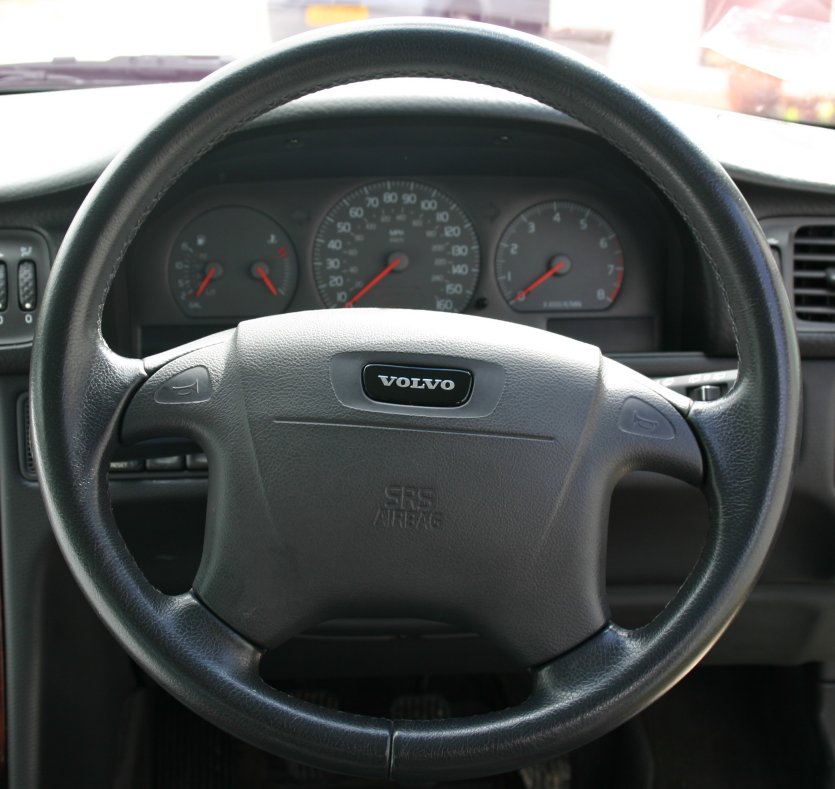



Design and main components
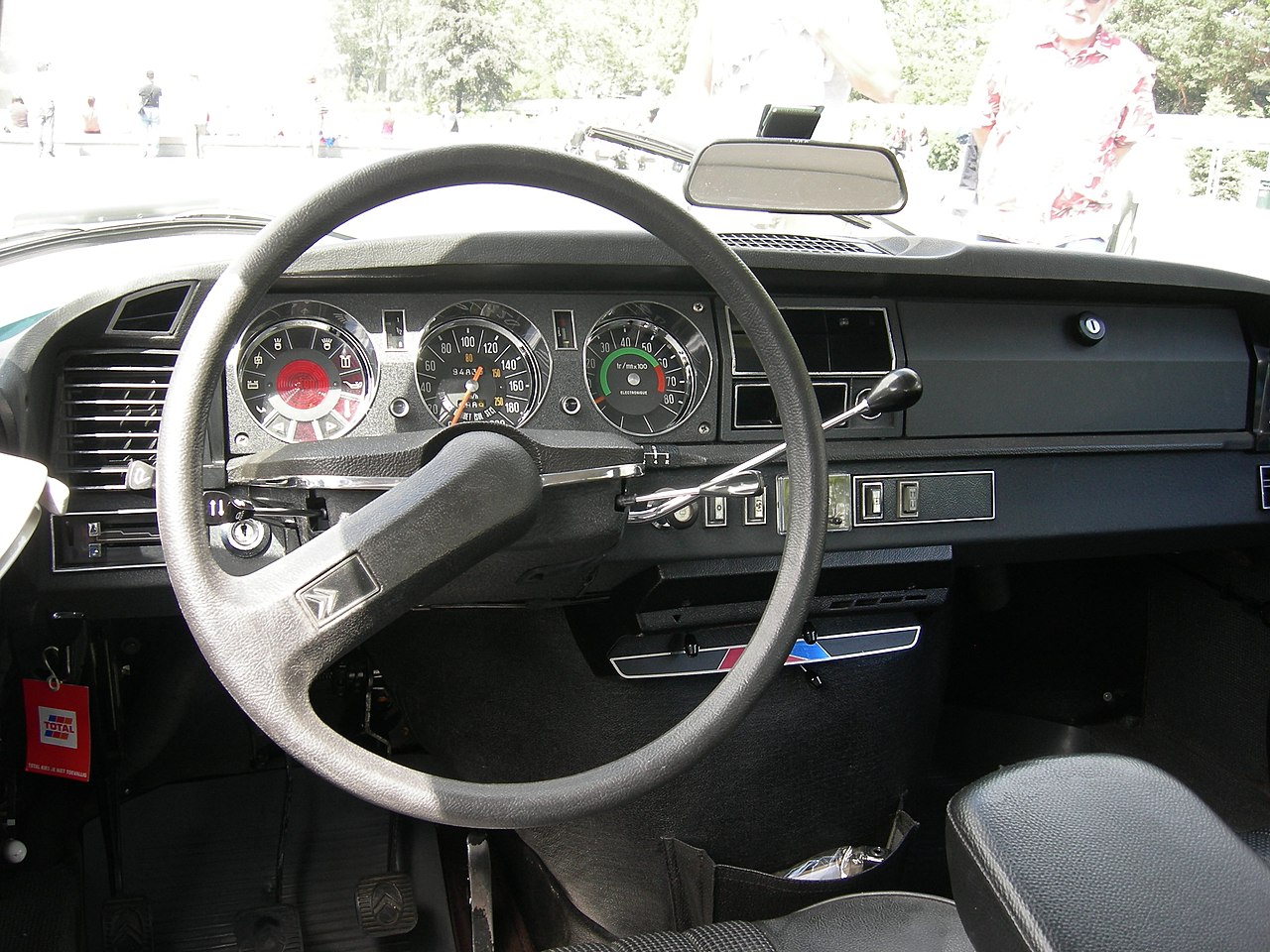
Although shapes and fittings vary, most steering wheels share several basic elements:
- Rim: the circular outer portion gripped by the operator. Rims are made from wood, metal, molded plastic, leather-wrapped foam, or carbon fiber in performance models.
- Spokes and hub: connect the rim to the steering shaft. The hub mounts to the steering column and sometimes contains the horn and airbag module.
- Column and shaft: transmit torque from the wheel to the steering mechanism. Modern columns are often collapsible to reduce injury in a crash.
- Controls and interfaces: buttons, paddles, stalks and sensors integrated into the wheel for convenience and safety.
How it works
Turning the rim rotates the steering shaft and actuates a linkage that changes wheel orientation at the vehicle's contact patches. Common steering mechanisms include rack-and-pinion and recirculating-ball gearsets. Power assistance can be hydraulic, electric or electro-hydraulic; modern cars increasingly use electric power steering (EPS) which allows features such as variable assist, lane-keeping feedback and drive-by-wire arrangements where there is no direct mechanical link.
Historical development
The wheel replaced earlier tillers and levers as vehicles became faster and steered with greater precision. An early recorded use of a wheel-shaped steering device on an automobile dates to the Paris-Rouen event of 1894, where a driver used a wheel on a Panhard. During the following decades manufacturers standardized the circular wheel and added functional conveniences like an integrated horn. In the 1920s engineers developed early power-assist concepts for heavy vehicles, and through the 20th century material and safety improvements — padded rims, leather coverings, collapsible columns and the addition of driver airbags — became common in production vehicles.
Variations, uses and modern trends
Steering wheels are tailored to their application: trucks and buses often use larger-diameter wheels for leverage, racing cars use smaller, grippier, sometimes detachable wheels with built-in data displays and paddle shifters, and boats share a visually similar helm though marine steering links and feedback differ. Control consolidation has increased; many wheels house audio, phone and cruise controls. Emerging technologies include haptic feedback for driver-assist alerts and steer-by-wire systems that separate physical connection for packaging and safety benefits.
Safety and notable distinctions
Because the steering wheel sits directly in front of the driver, it is a focal point for safety design. Collapsible columns reduce injury in frontal impacts and airbags mounted in the hub provide passive protection. Anti-theft steering locks and electronic immobilizers are also common. The steering wheel should not be confused with a tiller (a simple lever used on small craft) or an aircraft yoke, which resembles a wheel but differs in range and mechanical function. For further general information about vehicles and marine craft see cars and boats.
Related articles
Author
AlegsaOnline.com Steering wheel Leandro Alegsa
URL: https://en.alegsaonline.com/art/93649