
Status Quo: English rock band known for boogie riffs and long touring career
Status Quo is an English rock band formed in the 1960s, best known for a driving boogie-rock sound, enduring live shows and hits such as 'Caroline' and 'Rockin' All Over the World'.
Overview
Status Quo are an English rock band whose career began in the 1960s and who became synonymous with a straightforward, riff-driven brand of boogie rock. Over decades of recording and touring they amassed a large catalogue of songs, scored many UK chart placements and sold millions of records worldwide. They are widely recognised for their energetic live performances and a distinctive sound built around tight vocal harmonies and repeating guitar figures.
Image gallery
8 Images

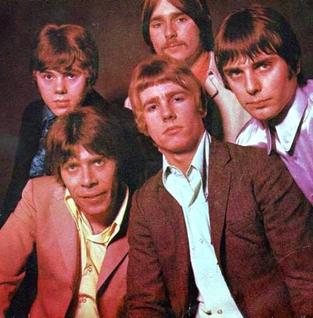




Musical characteristics
Their signature style is often described as boogie rock or pub rock: mid-tempo to up-tempo songs based on repeating, rhythmically punchy guitar riffs, steady backbeat and singable choruses. While critics sometimes labelled their material as simplistic, the band demonstrated versatility across different eras — from late-1960s psychedelic pop to extended, hard-rocking jams. Vocal interplay and close guitar harmonies have been important elements of their sound.
History and development
The group formed in the early 1960s and adopted the name The Status Quo in the late 1960s, later shortening it to Status Quo around 1970. Early success included a psychedelic hit that contrasted with the heavier boogie direction the band followed in the 1970s. Through the 1970s and beyond they consolidated a loyal audience with regular album releases and intensive touring. Their live reputation was underscored when they opened the Live Aid concert in 1985 with a high-profile performance.
Notable songs, albums and achievements
Several songs have become closely associated with the band: for many listeners these include "Caroline", "Whatever You Want", "Down Down" and their rousing cover of John Fogerty's "Rockin' All Over the World." Earlier in their career they recorded the psychedelic-tinged "Pictures of Matchstick Men", demonstrating a very different side to their music. Over the course of their career they have recorded dozens of singles that charted in the United Kingdom and have placed many albums on the UK charts; they are one of the most commercially prolific British rock acts of their generation, with substantial global sales.
Criticism, versatility and notable performances
Critics and fans have long debated the merits of the band's repetitive riff construction: some see it as limited, while others regard it as a defining and effective stylistic choice. Occasional album tracks and live performances reveal more complex arrangements and lengthy instrumental passages, and these pieces highlight a broader musical ability than casual impressions might suggest. Their role in major events — notably opening the globally televised Live Aid concert — reinforced their status as a working band capable of reaching very large audiences.
Members, later years and legacy
The band line-up changed several times during their career. Founding members and long-serving musicians shaped the group's identity, and reunion tours of earlier line-ups won positive attention in later decades. The group also endured personal losses: guitarist and singer Rick Parfitt died after an illness in 2016; reports indicate he suffered from sepsis while in Spain and his passing was widely reported in the press (Rick Parfitt, see sources). Medical accounts cited sepsis as the cause (sepsis).
Status Quo's influence is visible in the persistence of riff-based rock bands and in the culture of long-term touring acts in the UK. Their catalogue continues to be played on radio and at live events, and compilations and reissues keep providing entry points for new listeners. The band's long career and large catalogue place them among the more enduring and commercially successful British rock groups, with strong ties to their English origins (England).
- Typical descriptors: boogie rock, pub rock, hard rock, classic rock.
- Early hit demonstrating different style: "Pictures of Matchstick Men."
- Famous live moment: opening Live Aid, 1985.
- Noted for steady touring and large catalogue of charting singles and albums.
Related articles
Author
AlegsaOnline.com Status Quo: English rock band known for boogie riffs and long touring career Leandro Alegsa
URL: https://en.alegsaonline.com/art/93573