
St. Paul, Alaska
Small city on St. Paul Island in the Pribilof Islands, Alaska, noted for its Unangan community, northern fur seal rookeries, seabird colonies, fishing and remote island culture.
Overview
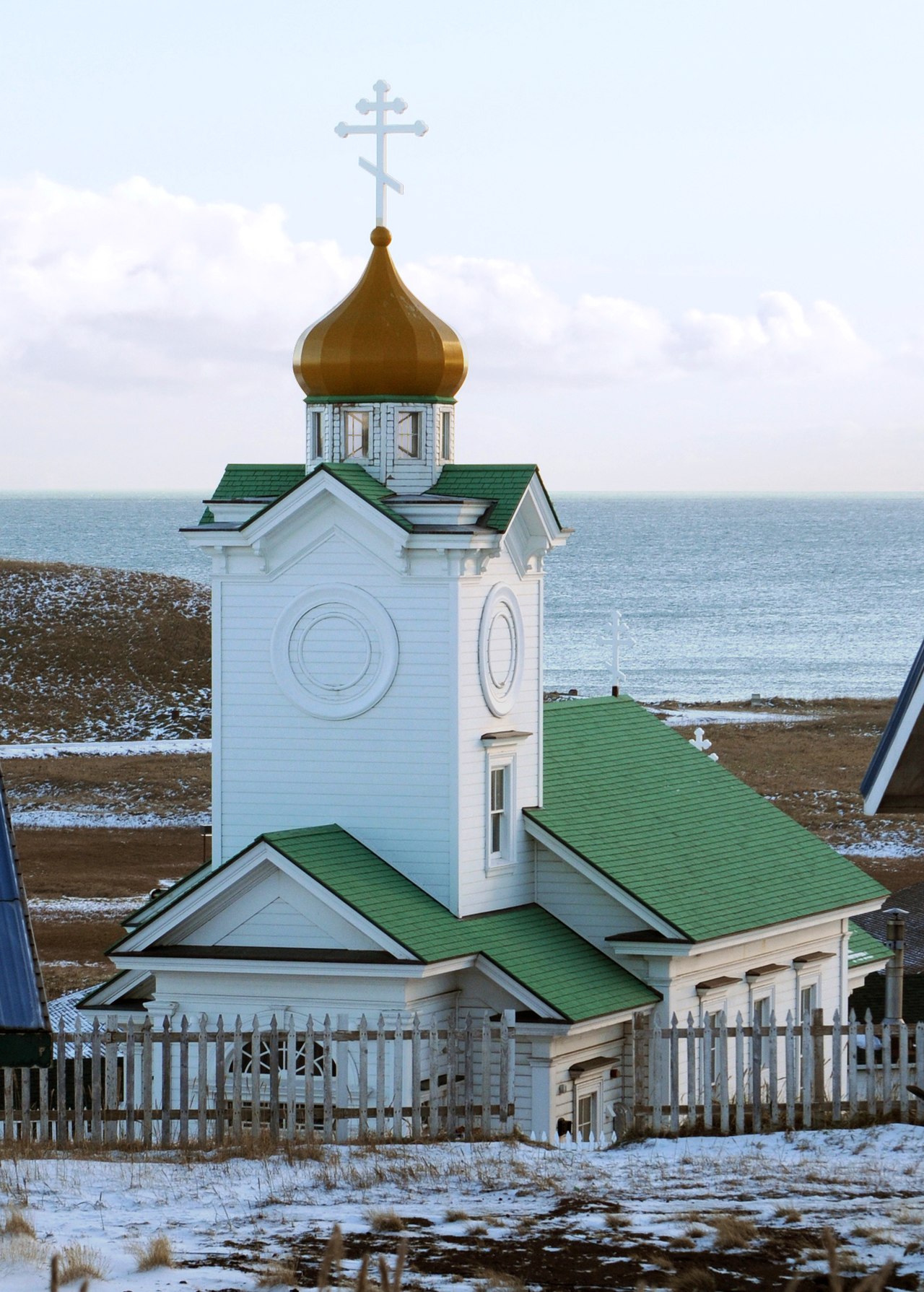
St. Paul is a small city located on St. Paul Island, the largest of the Pribilof Islands in the Bering Sea. Administratively it lies within the Aleutians West Census Area of Alaska. The community is remote, with several hundred year-round residents who maintain a blend of Indigenous Unangan (Aleut) traditions and contemporary island life.
Image gallery
8 Images




Geography and climate
St. Paul Island is volcanic, low-lying and exposed to strong winds, fog and cool maritime conditions. Vegetation is tundra-like and the surrounding waters are rich in marine life. Accessibility depends on scheduled flights and seasonal sealift; weather frequently affects travel and supply schedules.
History
Russian fur traders visited the Pribilofs in the 18th century seeking northern fur seals, and the islands later became a focus of commercial sealing after sovereignty passed to the United States. Over time federal management, conservation measures and local institutions shaped the island's economy and governance. The Unangan people remain central to the island’s identity.
Economy and community life
The local economy combines commercial and subsistence fishing, limited tourism, government services and wildlife research. Community life centers on the village, the school, and cultural events that preserve Unangan language and practices. Infrastructure is modest: a harbor, small airport, stores and essential services support daily life.
Wildlife and conservation
St. Paul is internationally recognized for its wildlife: large rookeries of northern fur seals and dense colonies of seabirds such as auklets and puffins attract scientists and birdwatchers. Parts of the Pribilof Islands are managed for conservation and research, and wildlife stewardship is an ongoing local and federal concern.
Visitor experience and notable facts
- Visitors come for wildlife viewing, photography and to learn about Unangan culture.
- Services and travel are limited by weather; planning ahead is essential.
- Local organizations work to balance subsistence use, commercial activities and conservation.
The island's remoteness, rich natural heritage and resilient community make St. Paul a distinct place within Alaska's coastal landscape.
Related articles
Author
AlegsaOnline.com St. Paul, Alaska Leandro Alegsa
URL: https://en.alegsaonline.com/art/93034