
St. Antönien Ascharina
St. Antönien Ascharina is a village and former municipality in the Prättigau region of the canton of Graubünden, eastern Switzerland; it joined St. Antönien in 2007.

St. Antönien Ascharina is a small settlement in eastern Switzerland, known historically as Ascharina. It lies within the broader political boundaries of Switzerland and is part of the alpine landscape that characterizes this part of the country.
Image gallery
2 Images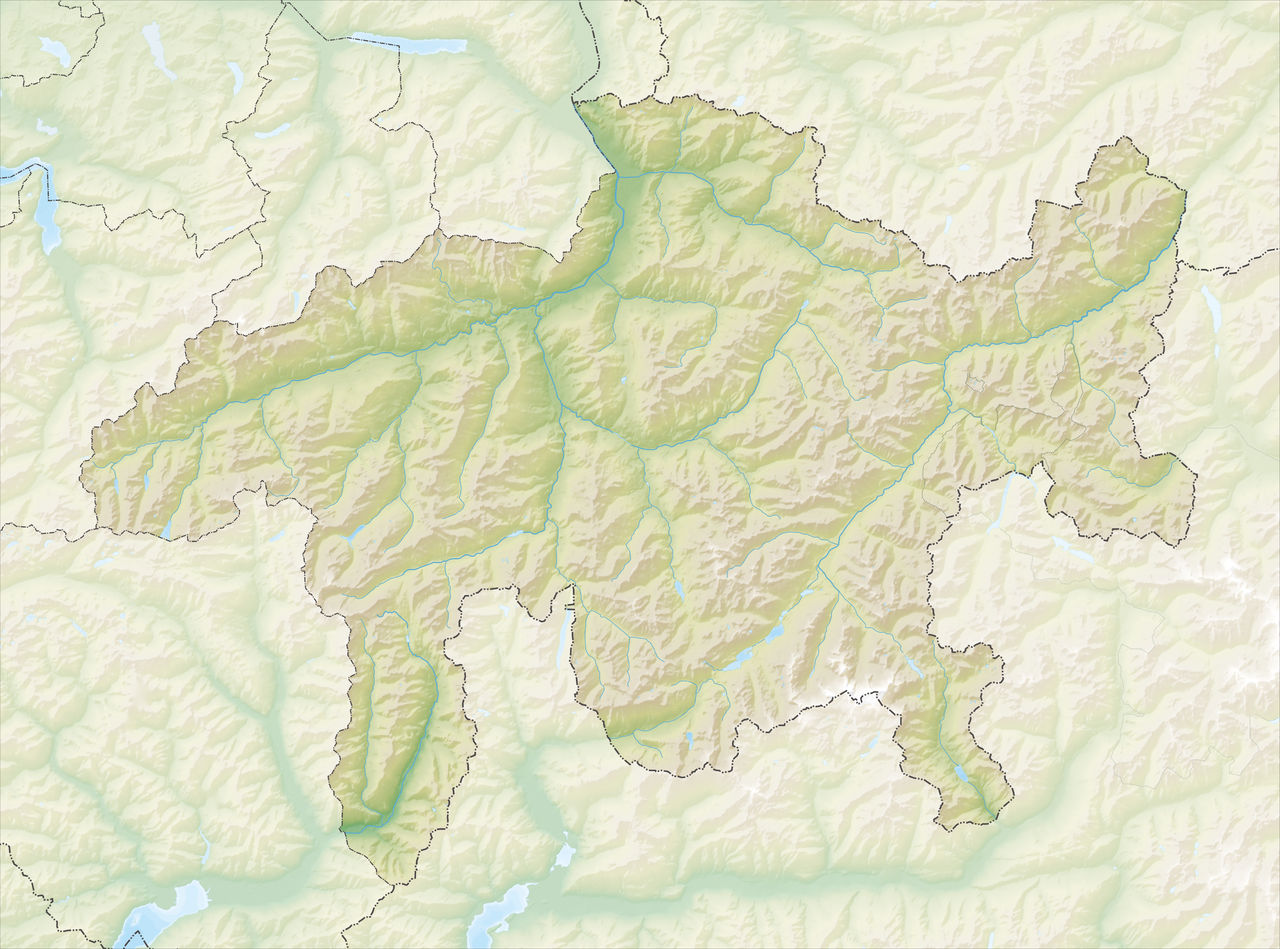

Location and setting
The village sits in the Prättigau valley area of the Graubünden region, one of Switzerland's mountain cantons. Administratively it belonged to the local canton structures and to smaller municipal units until the early 21st century. The surroundings are typical of the eastern Swiss Alps, with steep slopes, pastureland and forested areas.
Administrative history
Historically the community was known simply as Ascharina until 1953, when the name reflected closer ties with the neighbouring settlement of St. Antönien. It functioned as its own municipality for many years, but in 2007 it was incorporated into the municipality of St. Antönien. This merger is part of a wider pattern of municipal consolidation in Switzerland aimed at streamlining local administration.
Characteristics and culture
The locality is predominantly German-speaking and retains features of traditional alpine village life: wooden architecture, seasonal mountain farming and locally rooted customs. Villages like Ascharina typically have close-knit communities and cultural ties to the valley, expressed in local festivals and farming rhythms.
Economy and recreation
The economy blends agriculture, forestry and small-scale tourism. The surrounding terrain offers hiking, mountain biking and nature observation rather than large-scale resort development. Such areas attract visitors who seek rural landscapes, quiet trails and an experience of traditional mountain life.
Notable facts
- Formerly an independent municipality, renamed and later merged into St. Antönien.
- Representative of many small alpine communities in Graubünden with mixed farming and tourism economies.
- Mergers like the 2007 incorporation reflect administrative trends in Swiss local government.
For local administrative details, historical records and visitor information, municipal and cantonal resources provide up-to-date guidance through official channels and regional tourism offices.
Related articles
Author
AlegsaOnline.com St. Antönien Ascharina Leandro Alegsa
URL: https://en.alegsaonline.com/art/93079