
Squire — medieval attendant, rural landholder, and historic title
A squire began as a medieval knight's attendant and evolved into a rural gentleman or local official; the word shares roots with esquire and reflects changing social roles from the Middle Ages to modern times.
Overview
The term squire originally denoted a young man who attended and assisted a knight. In its earliest sense a squire served as a personal attendant and battlefield aide, caring for the knight's shield and armour. Over centuries the word broadened to describe rural landowners, local leaders and, in some usages, a title of social standing related to knighthood and gentry.
Image gallery
3 Images

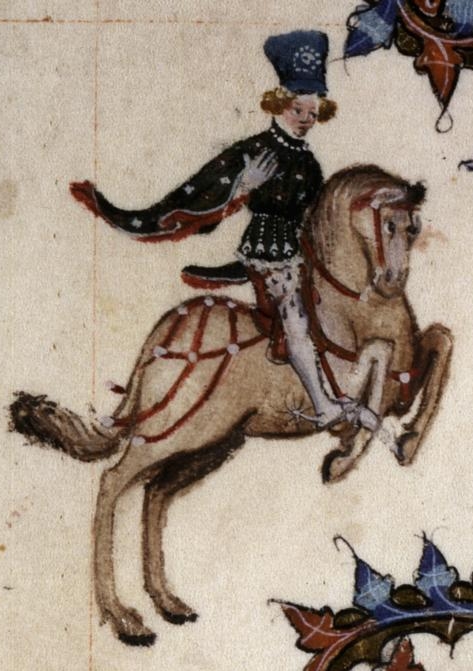
Role and training
In the medieval system a prospective knight normally progressed through stages of service. From childhood a noble boy might be a page and then become a squire, learning horsecraft, weapons, heraldry and household duties while living with an experienced knight. Typical duties included maintaining equipment, accompanying the knight on campaign, and preparing him for combat and ceremony.
Typical duties
- Carrying and tending the knight's shield and weapons.
- Keeping and repairing armour, saddles and horses.
- Running messages, arranging horses and acting as aide in tournaments and battles.
- Receiving practical instruction in horsemanship, swordplay and courtly manners.
Historical development
As military organisation and social structures changed after the medieval period, the role of squire shifted from active military apprenticeship to an honorific or social descriptor. In England the word came to be applied to village leaders and landed gentlemen—often the local lord of the manor—who held influence as magistrates or patrons. The change reflects broader transitions from feudal military service to rural governance and gentry status.
Modern usage and distinctions
Today the historical role is chiefly of interest to historians and reenactors, while the term survives in language and literature. Related forms such as esquire share the same linguistic root and developed distinct uses: in some traditions it became a courtesy title for social rank and, in modern American usage, an abbreviation like "Esq." is commonly used for lawyers. In earlier English custom the informal address "Squire" could be used for important local officials including magistrates, reflecting its evolution from battlefield attendant to civic figure associated with the Middle Ages and later centuries.
Notable facts
- The English word derives from Old French and Medieval Latin terms for a shield-bearer.
- The squire's apprenticeship was both practical and ceremonial, preparing the young man for knighthood or a place among the landed gentry.
- Literature and folklore often preserve the image of the squire as an intermediary between common soldiers and the knightly elite.
Related articles
Author
AlegsaOnline.com Squire — medieval attendant, rural landholder, and historic title Leandro Alegsa
URL: https://en.alegsaonline.com/art/92953
Sources
- merriam-webster.com : merriam-webster.com/dictionary/squire