
Apprenticeship: practical workplace training and skill development
Apprenticeship is workplace-based training where a learner develops skills under an experienced practitioner, combining on-the-job experience with instruction and assessment and often leading to recognized credentials.
Overview
An apprenticeship is a system of vocational training in which a learner, called an apprentice, acquires practical skills and knowledge by working alongside an experienced practitioner. Learning is primarily workplace-based: apprentices perform real tasks under supervision, progressing from simple to complex duties as competence grows. Programs commonly blend hands-on work with formal instruction to cover theoretical knowledge, health and safety, and industry standards.
Image gallery
9 Images






Structure and common features
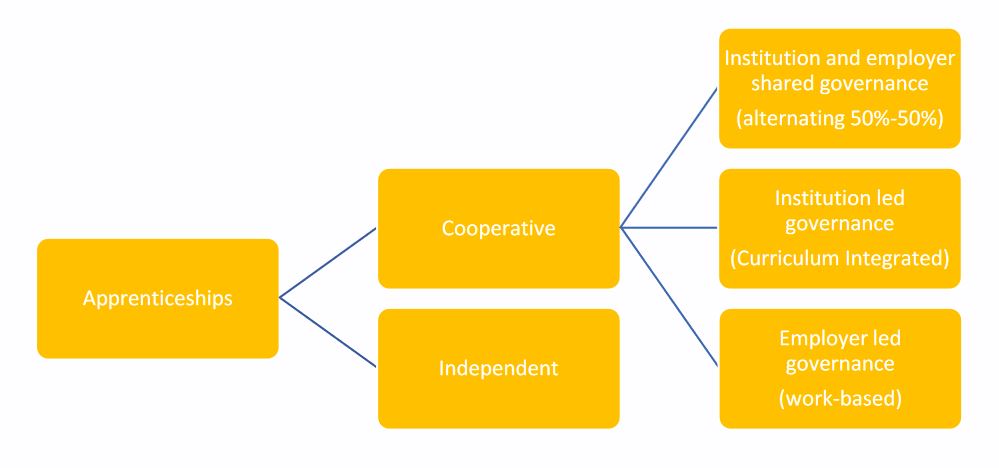
While arrangements vary by country and sector, typical elements include a defined training period, a mentor or trainer, an agreed curriculum or outcomes, regular assessment, and a completion credential or certification. Apprenticeships may be formal, registered with a government or professional body, or informally arranged between employer and learner. Many schemes include paid employment terms, with wages or stipends that increase as skills develop.
Types and examples
Traditionally associated with skilled trades such as carpentry, plumbing and electrical work, apprenticeships now exist in many fields including healthcare, culinary arts, advanced manufacturing, information technology, and finance. Variants include long-standing craft apprenticeships, short pre-apprenticeship courses that prepare candidates, and modern degree or higher apprenticeships that combine university study with workplace training.
History and development
Apprenticeship has roots in guild systems and craft traditions that organized training and quality controls before modern schools were widespread. Industrialization and labour regulation shifted many informal arrangements toward standardized, often state-recognized programs. In recent decades policymakers and employers have renewed interest in apprenticeships as a practical route to skills development and employment, and many countries have adapted frameworks to include new technologies and sectors.
Benefits and significance
For individuals, apprenticeships offer practical experience, income while training, and direct pathways into employment and professional status. Employers benefit from a pipeline of workers trained to meet specific operational needs, which can improve productivity and retention. Societies gain when vocational routes provide alternatives to exclusively academic paths and support workforce development, social mobility and local economic resilience.
Quality, assessment and regulation
Quality assurance varies: accredited programs typically define learning outcomes, use periodic assessments and issue recognised qualifications. Assessment methods can include workplace observations, portfolios of evidence, written or practical tests, and external verification. Regulation and funding differ by jurisdiction; some governments subsidize training or set minimum standards for employers who offer apprenticeships.
How to find or evaluate a program
Prospective apprentices should review program length, the balance of on-the-job and off-the-job training, assessment and credentialing arrangements, pay and employment terms, and the reputation of the employer or training provider. Many countries publish directories or registries of accredited apprenticeships; industry bodies also list approved programs. For further guidance consult official apprenticeship resources at official apprenticeship resources and employer or training organisation listings at industry portals.
- Key distinctions: traditional vs. modern; registered vs. unregistered; short pre-apprenticeship vs. full apprenticeship.
- Common outcomes: occupational competence, a recognised credential, and often direct employment.
Tags
Related articles
Author
AlegsaOnline.com Apprenticeship: practical workplace training and skill development Leandro Alegsa
URL: https://en.alegsaonline.com/art/5017
Sources
- dfes.gov.uk : dfes.gov.uk/ma.consultation
- ner.sagepub.com : ner.sagepub.com/cgi/content/abstract/178/1/99
- tlrp.org : (pdf)
- www2.trainingvillage.gr : (pdf)