
Speaker of the Grand National Assembly of Turkey
Presiding officer of Turkey's national legislature (TBMM); elected by deputies to manage debates, enforce rules, represent the assembly and carry certain constitutional duties during exceptional situations.
The Speaker of the Grand National Assembly is the principal presiding officer of Turkey's unicameral parliament, commonly known by its Turkish acronym TBMM. The office has existed since the founding of the assembly in 1920 and serves as the institution's formal representative within the political system of the Republic of Turkey. The speaker leads debates, enforces the assembly's rules, and is a central figure in parliamentary procedure.
Image gallery
10 Images
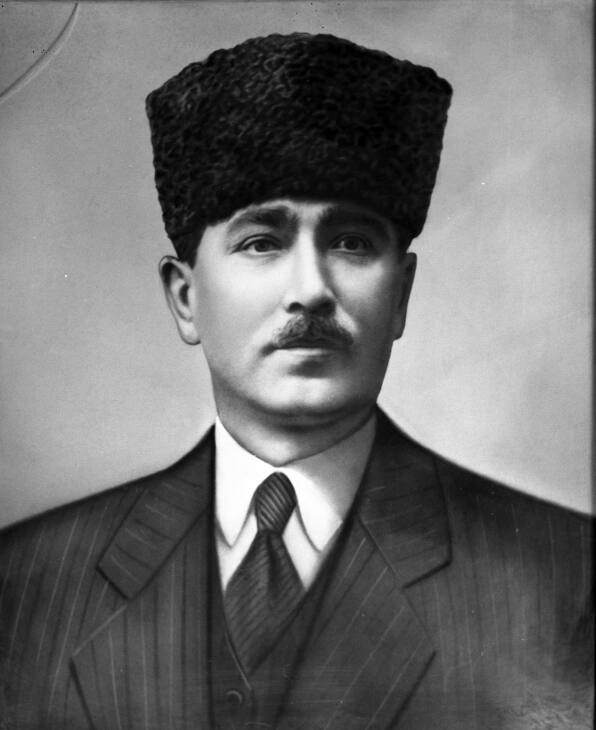


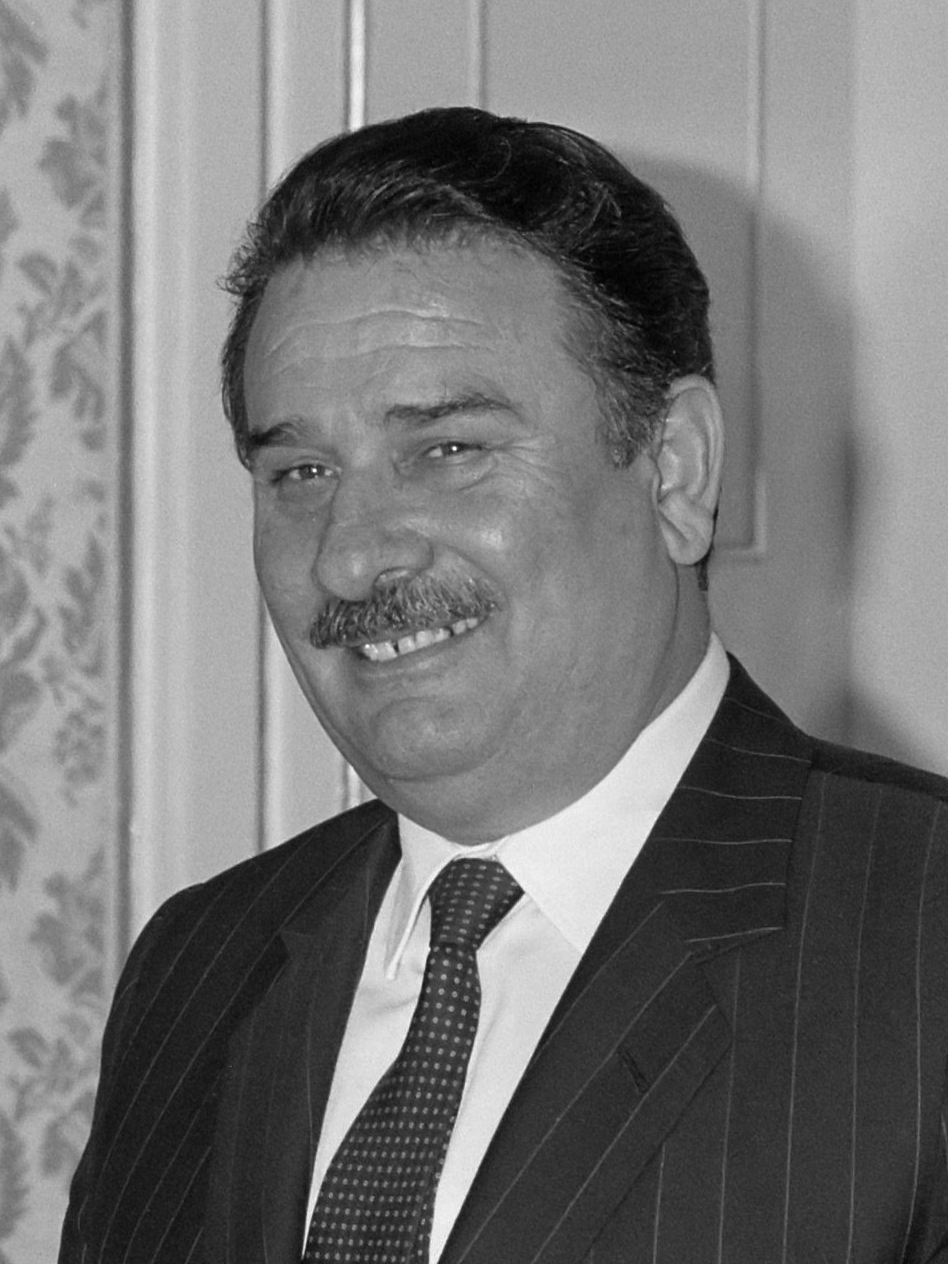


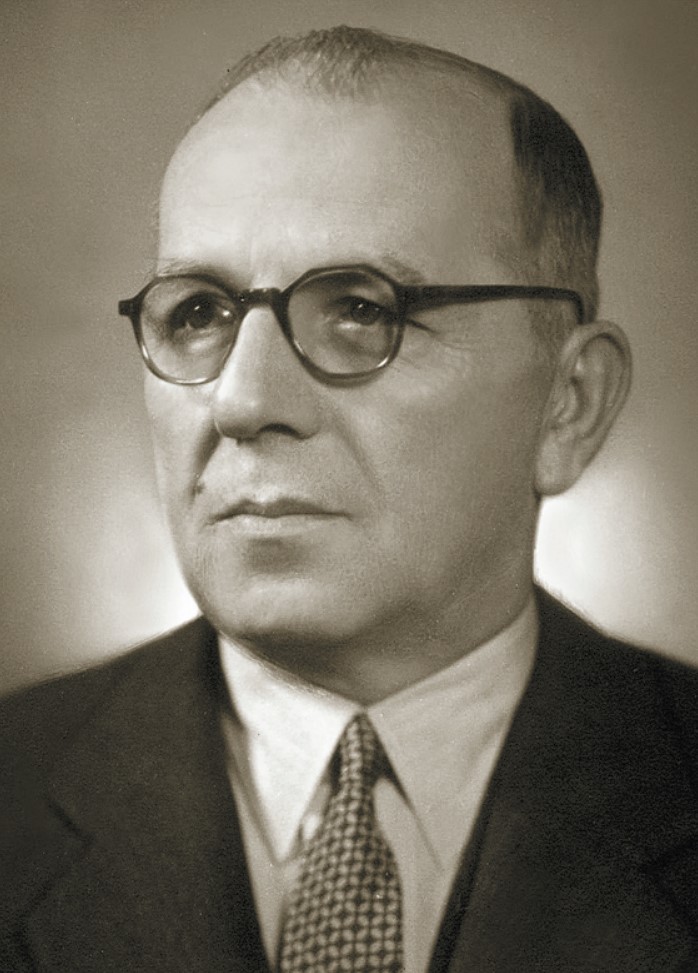

Election and status
The speaker is chosen by members of the Grand National Assembly through procedures set out in parliamentary rules and the constitution. Candidates typically come from the major parliamentary groups, but upon election the speaker is expected to exercise the duties of the chair with impartiality. The length of the speaker's tenure and the voting method are determined by the assembly's standing orders and relevant law.
Powers and functions
Key responsibilities of the speaker include:
- Presiding over plenary sessions and maintaining order during debates;
- Setting or announcing the agenda and allocating speaking time;
- Referring bills and motions to committees and overseeing procedural compliance;
- Signing acts and official records, and representing the assembly in domestic and international relations.
Beyond day-to-day procedure, the speaker carries formal duties defined by constitutional provisions and parliamentary law.
Historical role and development
The speaker's office dates to the assembly's proclamation in 1920, with early occupants playing formative roles in the republic's establishment. Over decades the functions of the speaker evolved alongside constitutional changes and shifts in Turkey's political system. Major constitutional reforms have influenced the balance of powers between institutions and therefore the practical significance of the speaker within national governance.
The speaker also has a visible ceremonial and diplomatic role, hosting delegations and representing the legislature abroad. In exceptional constitutional circumstances the speaker may assume temporary, legally defined responsibilities related to continuity of state organs. For more on the assembly itself see the Grand National Assembly.
Notable aspects of the office include its mix of procedural impartiality and political origin, the influence a speaker can exercise over legislative priorities, and the position's historical symbolism in Turkey's parliamentary tradition.
Related articles
Author
AlegsaOnline.com Speaker of the Grand National Assembly of Turkey Leandro Alegsa
URL: https://en.alegsaonline.com/art/92528