
Southwest Alaska: geography, peoples, and economy
A concise overview of Southwest Alaska: its ambiguous boundaries, landscapes, climate, Indigenous communities, fisheries-driven economy, history, and reasons for ecological and cultural significance.
Overview
Southwest Alaska is an expansive, sparsely populated region in the western part of the U.S. state Alaska. Its limits are not fixed by a single official boundary and different maps or agencies include different coastlines, islands, river deltas and peninsulas. The area commonly referenced as Southwest Alaska includes large river systems, coastal bays and stretches of tundra and maritime shoreline.
Image gallery
7 Images


Geography and climate
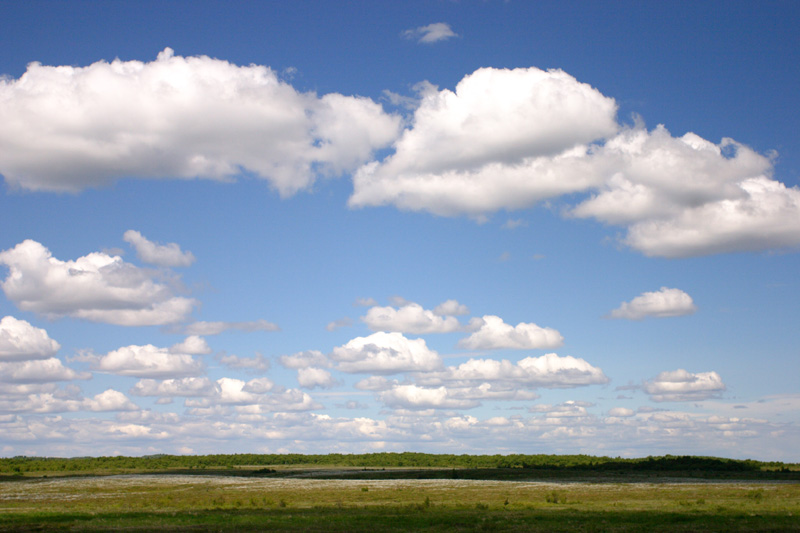
The landscape ranges from low-lying wetlands and broad deltas to rugged coastal mountains. Prominent natural features often associated with the area include the Yukon–Kuskokwim Delta and Bristol Bay watersheds. The climate is generally maritime or subarctic: cool, wet summers and long, relatively mild winters compared with interior Alaska. These conditions support productive salmon runs, extensive wetlands and important nesting habitat for migratory birds.
People and culture
Indigenous peoples have lived in Southwest Alaska for millennia and many communities continue traditional subsistence activities. Major cultural groups in the region include Yup'ik and other Alaska Native peoples, whose languages, seasonal round of fishing and hunting, crafts and communal life remain central to local identity. Most settlements are small and rely on close social ties and shared resources.
Economy, transport and uses
The regional economy is dominated by fisheries and subsistence harvests, with commercial salmon, crab and groundfish fisheries especially important. Tourism, small-scale mining and local services also contribute. Much travel and delivery of goods depend on air or water transport because many villages lack road connections to larger hubs.
- Key industries: commercial and subsistence fishing, limited tourism, local services.
- Typical transport: bush planes, boats, seasonal ice roads in some areas.
History and notable facts
Southwest Alaska has a long human history, followed by contact with Russian traders and missionaries, then incorporation into U.S. governance after the Alaska purchase in 1867. Federal and state policy changes in the 20th century, including the Alaska Native Claims Settlement Act, shaped land ownership and economic development. The region is ecologically significant for salmon production and migratory birds, and it remains a focus of conservation discussions and local stewardship efforts. For broader context and administrative maps, see general resources on the state.
Questions and answers
Q: Where is the Southwest region of Alaska located?
A: The Southwest region of Alaska is located in the U.S. state of Alaska.
Q: Is there an official rule about where the Southwest region of Alaska begins and ends?
A: No, there is no official rule about where the Southwest region of Alaska begins and ends.
Q: How would you describe the Southwest region of Alaska?
A: The Southwest region of Alaska is a geographic area within the state of Alaska.
Q: What can be found in Southwest Alaska?
A: It is not specified what can be found in Southwest Alaska.
Q: Is the Southwest region of Alaska a densely populated area?
A: It is not mentioned whether the Southwest region of Alaska is a densely populated area.
Q: Can one easily access the Southwest region of Alaska?
A: It is not specified whether one can easily access the Southwest region of Alaska.
Q: Is the Southwest region of Alaska known for anything in particular?
A: It is not specified whether the Southwest region of Alaska is known for anything in particular.
Related articles
Author
AlegsaOnline.com Southwest Alaska: geography, peoples, and economy Leandro Alegsa
URL: https://en.alegsaonline.com/art/92340
Sources
- iser.uaa.alaska.edu : iser.uaa.alaska.edu/Publications/u_ak/uak_remoteruraleconomyak.pdf
- factfinder.census.gov : "Custom Table - American FactFinder"