
Southern Leyte
Southern Leyte is a coastal province in the Eastern Visayas region of the Philippines. Its capital is Maasin. The province is known for rugged terrain, coastal communities, agriculture, diving areas and historic Limasawa Island.
Overview
Southern Leyte is a province located on the southern portion of Leyte island in the Philippines. In local languages it is sometimes called Habagatang Leyte (Cebuano) or Timog Leyte (Filipino). It forms part of the Eastern Visayas area within the administrative region. The provincial capital is the city of Maasin, which serves as the political and economic center.
Image gallery
10 Images




Geography and climate
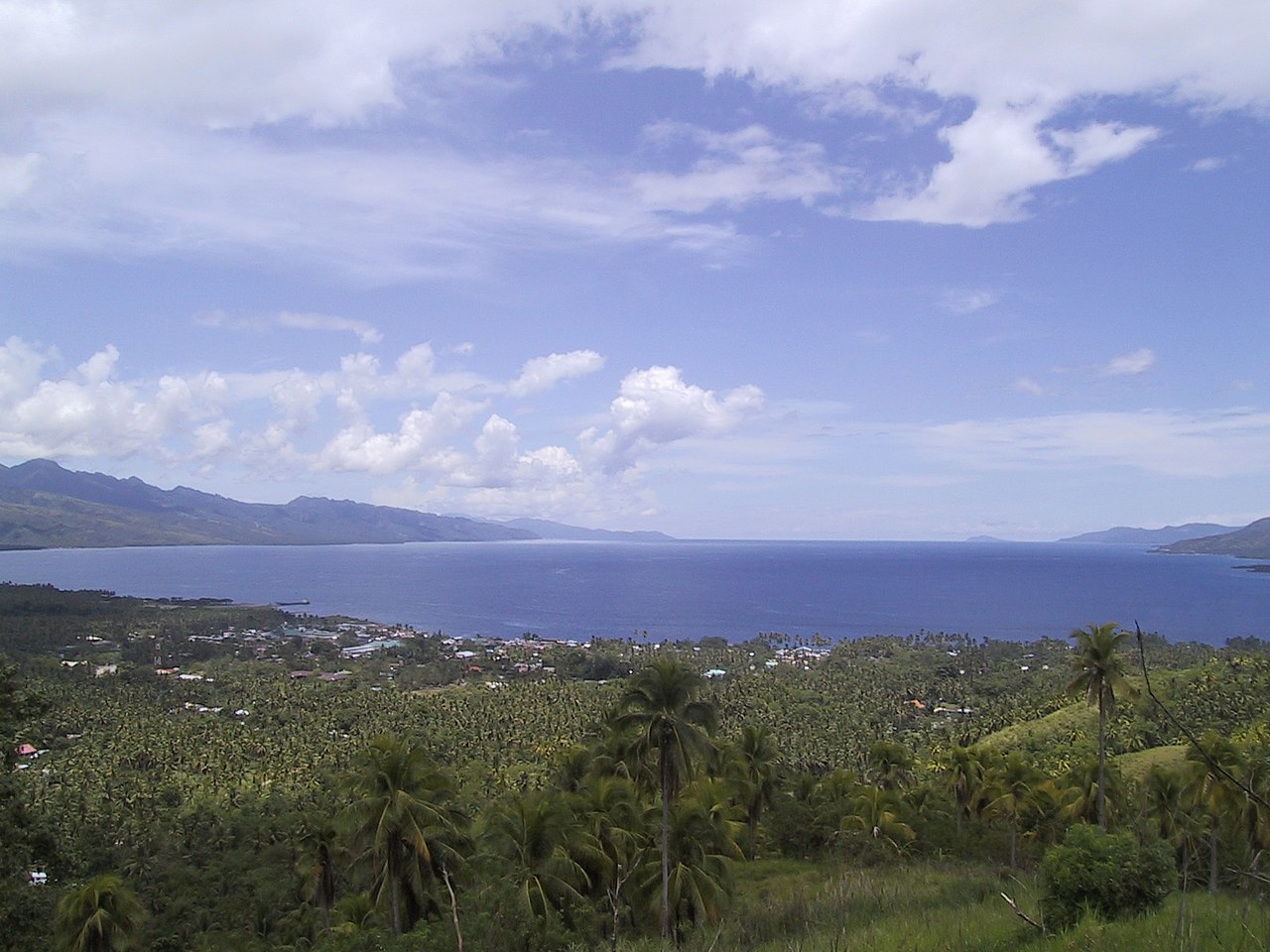
The landscape combines steep hills, narrow coastal plains and an extensive shoreline on the Bohol Sea and Leyte Gulf. The province includes several small islands and a long, indented coastline with bays and headlands. The climate is tropical, with a pronounced rainy season and frequent influence from tropical cyclones, which shape coastal and upland livelihoods.
Administration and communities
Administratively the area is organized as a province of the Philippines, subdivided into municipalities and barangays that manage local services and development. Rural settlements are distributed between coastal barangays, river valleys and upland hamlets; local government units coordinate infrastructure, education and disaster preparedness.
History and notable places
Southern Leyte has a history shaped by maritime trade, missionary activity and agricultural settlement. Limasawa Island is traditionally identified as the site of the first Catholic Mass in the archipelago and is a popular historic landmark. The province has also experienced significant natural disasters, such as a major landslide in 2006 that affected the village of Guinsaugon and prompted national and international relief efforts, underscoring local vulnerability to slope failures in steep terrain.
Economy and transport
The local economy is driven by smallholder agriculture, fishing and growing tourism. Common crops include coconut and root crops, complemented by artisanal fisheries and small-scale commerce. Transport links include provincial roads, ferries and smaller ports that connect communities to larger urban centers; many visitors arrive by sea or by road from regional hubs and airports on nearby islands.
Culture and language
Cebuano is widely spoken alongside Filipino and English, which are used in schools and government. Local festivals, Catholic traditions and coastal lifeways shape community life. Traditional crafts, foodways and religious observances form key parts of the province's cultural identity.
Environment, biodiversity and hazards
Marine biodiversity, coral reefs and seagrass beds support fisheries and recreational diving, while upland forests provide watershed services. The province's topography and exposure to storms make landslides, coastal erosion and flood events important concerns; local authorities and communities prioritize disaster risk reduction and sustainable land-use practices.
Tourism and attractions
Visitors are attracted to beaches, dive sites, island-hopping, and cultural sites such as Limasawa. Ecotourism, community-based homestays and small-scale beach resorts are part of the growing tourism sector, which aims to balance visitor access with conservation of reefs and natural areas.
Further information
For administrative details, tourism guidance or cultural resources consult provincial offices and regional guides. Official and local sources can provide current travel information, services and development plans; regional portals and government publications are useful starting points for up-to-date data and contacts.
Related articles
Author
AlegsaOnline.com Southern Leyte Leandro Alegsa
URL: https://en.alegsaonline.com/art/92300