
Soweto: Johannesburg township shaped by history, culture, and the 1976 Uprising
Soweto is a large urban area of Johannesburg, South Africa, formed under apartheid as a cluster of townships. It is known for the 1976 Soweto Uprising, rich cultural life, and ongoing social and economic change.
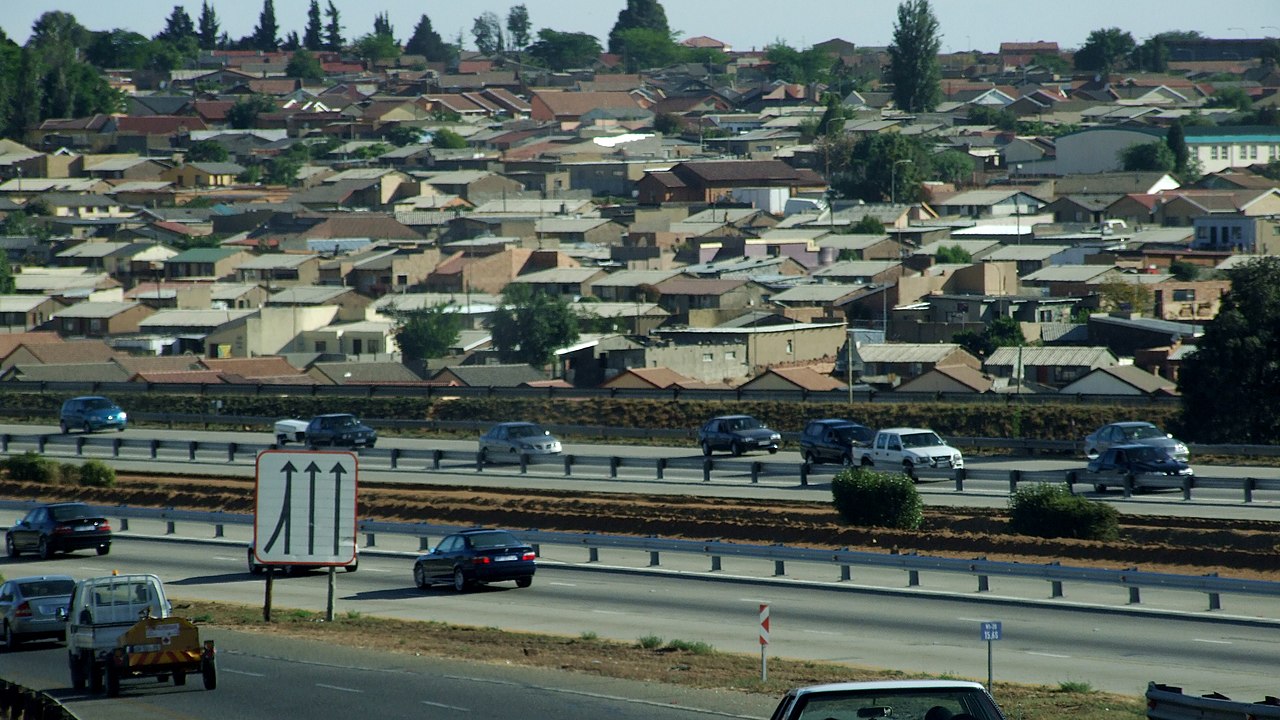
Soweto is a vast urban area on the southwestern periphery of Johannesburg in South Africa. The name is a contraction of "South Western Townships" and historically referred to the dense collection of townships created under apartheid policy. Today Soweto comprises many neighbourhoods, a large population largely of Black South Africans, and a varied mix of residential, commercial and cultural spaces.
Image gallery
10 Images





Origins and layout
During the 20th century, apartheid authorities segregated housing and forced non‑white residents into peripheral townships. Soweto grew as a series of adjacent settlements, each with its own character. Although originally planned as dormitory townships with limited services, many areas later developed local businesses, schools and civic institutions.
History and the 1976 Uprising
Soweto became widely known internationally after the Soweto Uprising of June 1976, when students protested a policy that imposed an official language of instruction and broader inequalities. The protests were met with police force and sparked wider resistance across South Africa. The uprising and its victims remain central to the nation’s memory and to Soweto’s identity.
Landmarks and culture
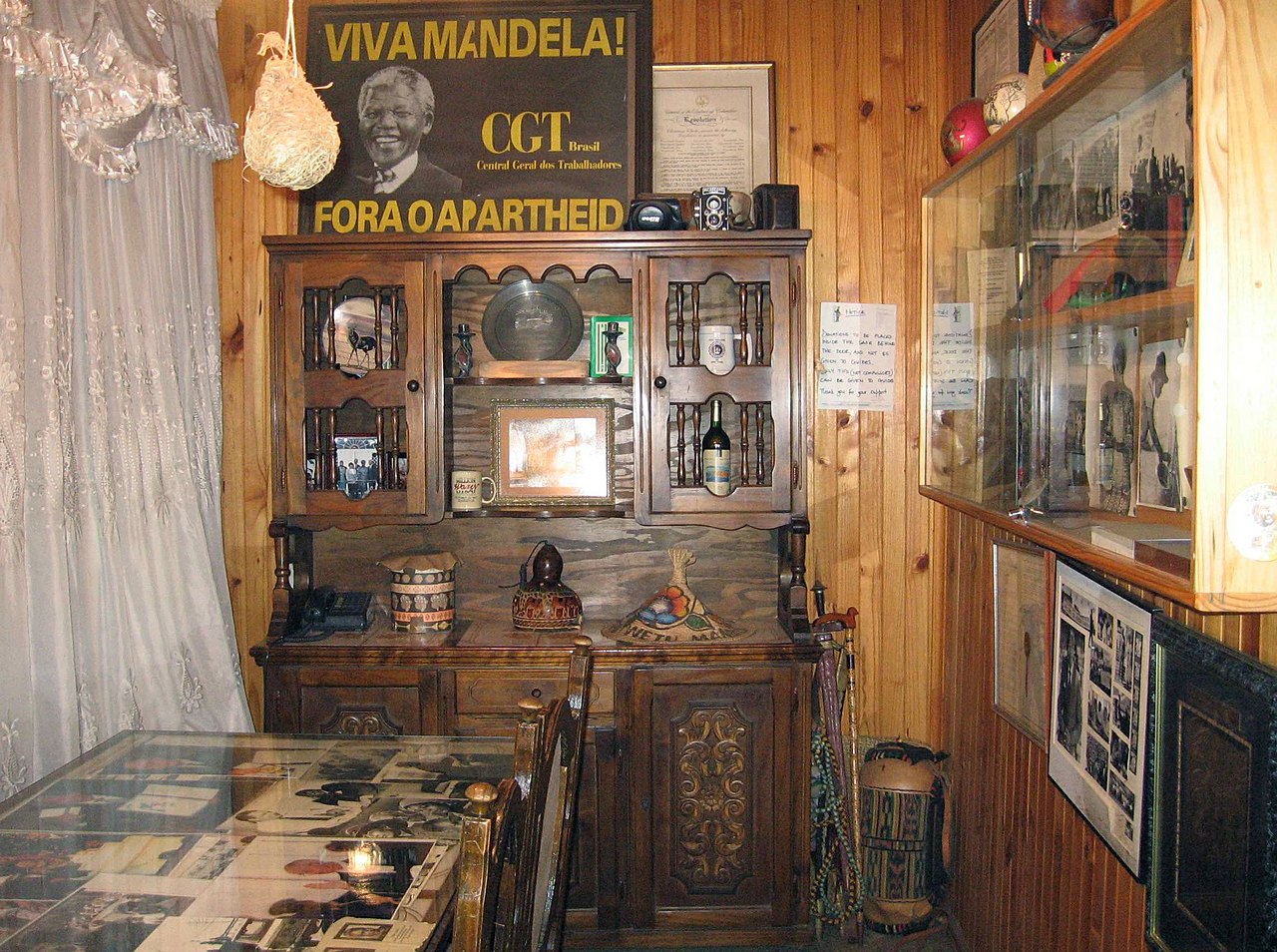
- Vilakazi Street, known for residences associated with important leaders and for its restaurants and museums.
- Hector Pieterson memorial and museum, which commemorate the 1976 student protests.
- Community theatres, choirs, and street art that reflect Soweto’s lively popular culture.
Soweto has produced influential musicians, writers and political figures, and attracts visitors interested in history, township tours and contemporary urban life.
Modern Soweto faces ongoing challenges and opportunities: improving housing, services and jobs while preserving history and community networks. In recent decades investment, local entrepreneurship and tourism have reshaped parts of the area, but inequality and infrastructure needs remain important issues for residents and policymakers.
Understanding Soweto means seeing it both as a product of apartheid policy and as a dynamic urban community that plays a continuing role in South Africa’s social and political life.
Related articles
Author
AlegsaOnline.com Soweto: Johannesburg township shaped by history, culture, and the 1976 Uprising Leandro Alegsa
URL: https://en.alegsaonline.com/art/92376