
BBC Radio 1
BBC Radio 1 is the BBC’s national contemporary music and youth-oriented radio station, launched in 1967 to serve younger audiences with new pop, live sessions and specialist shows.
Overview
BBC Radio 1 is the United Kingdom’s national contemporary music radio service aimed principally at a younger audience, historically described as people aged about 15–29. It forms part of the BBC family of services and is operated by the corporation’s radio division. The station combines chart-led pop and dance music, specialist genres, live sessions and speech content such as short news, interviews and features. As a public broadcaster, Radio 1 balances mainstream chart coverage with support for emerging artists and new music scenes.
Image gallery
8 Images



Origins and early history
The station opened at 7:00 am on 30 September 1967 amid a major reorganisation of BBC radio output. Its launch followed the closure of the BBC Light Programme, Home Service and Third Programme and the creation of a four-station line-up that included Radio 1 through 4. The new outlet was introduced in part to respond to the popularity of offshore "pirate" radio stations, which had gained large audiences during the 1960s and were curtailed by new legislation. The first presenter on Radio 1’s opening day was Tony Blackburn, who presented what later became known as the Breakfast show.
Programming, format and notable strands
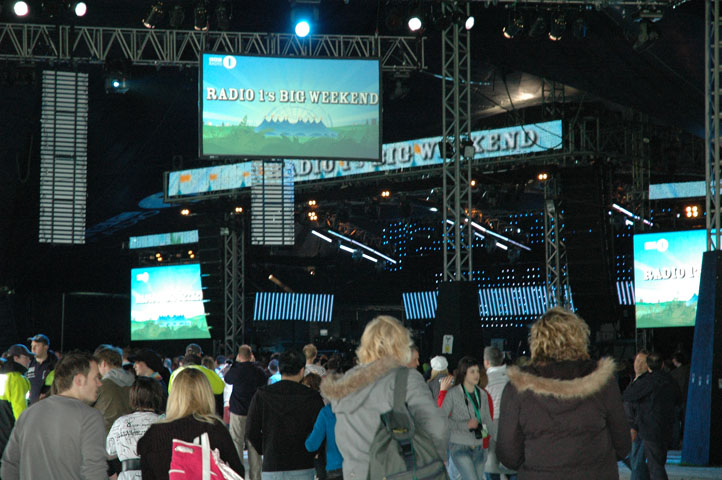
Radio 1’s weekday schedule mixes flagship shows with specialist programming. The station’s output typically includes a high-profile breakfast show, daytime music shows focused on contemporary hits, evening specialist slots for genres such as electronic, urban and alternative music, and weekend live sessions. Over the years Radio 1 has become known for live formats and features that showcase new material—examples include studio live sessions, festival broadcasts and curated mixes. The station also presents seasonal and annual features such as a national chart programme and event broadcasts.
Broadcast platforms and audience
Over time Radio 1 has moved from medium wave and FM to a modern multi-platform distribution model that includes FM, digital radio (DAB), online streaming and mobile apps. Its remit is to reach and reflect young audiences across the UK while maintaining national coverage and compliance with the BBC’s public service obligations. The station operates alongside sister services to offer complementary choices: it is publicly linked to the broader BBC network and to related youth-focused outlets such as a dedicated companion station focused on new black music and urban genres.
Cultural impact and distinctions
Radio 1 has had a notable influence on popular music in the UK by promoting new artists, breaking singles and presenting live events. Its presenters and programmes have played roles in shaping youth culture, festival promotion and trends in radio broadcasting. The station is also known for special events and touring live shows that bring contemporary music to regional audiences. As part of the BBC, Radio 1 operates with public funding and editorial guidelines that distinguish it from commercial music stations.
Further information and related services
- Official owner: BBC (British Broadcasting Corporation)
- International and online presence: international service details
- Operating within the UK: United Kingdom broadcasting framework
- Sister digital station: BBC Radio 1Xtra
Radio 1 remains a prominent outlet for contemporary music within public broadcasting in the UK, combining mainstream chart coverage with specialist shows and a continuing focus on new talent and live music presentation.
Related articles
Author
AlegsaOnline.com BBC Radio 1 Leandro Alegsa
URL: https://en.alegsaonline.com/art/9748
Sources
- rajar.co.uk : RAJAR listening figures
- bbc.co.uk : "Radio 1 Service Licence (Issued 30 April 2007)"
- radiorewind.co.uk : www.radiorewind.co.uk - Radio 1