
South Oxfordshire district: overview, towns, history and key facts
South Oxfordshire is a predominantly rural district in Oxfordshire, England, home to market towns such as Didcot, Henley-on-Thames and Thame, with riverside landscapes, historic sites and a mixed local economy.
Overview
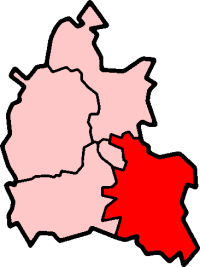
South Oxfordshire is a local government district in the county of Oxfordshire, England. It has a population of roughly 140,000 and combines small and medium-sized market towns with extensive countryside along the River Thames and adjoining hills. The district was created during the reorganization of local government on 1 April 1974.
Image gallery
2 Images
Geography and settlements
The district covers a varied landscape of river valleys, rolling hills and agricultural land. Much of the northern boundary follows the Thames, while the Chiltern Hills and other high ground sit to the south and east, providing scenic areas and walking routes. The settlement pattern is dominated by towns surrounded by villages and hamlets.
- Major towns: Didcot, Henley-on-Thames, Thame, Wallingford.
- Smaller centres and villages: Goring, Dorchester-on-Thames and a network of rural communities.
History and development
The district was formed in the mid-1970s as part of national reforms that redefined many local authorities. Its towns have older origins: riverside settlements grew from trade and milling on the Thames, market towns developed around agriculture and local commerce, and the arrival of railways in the 19th century reshaped settlement and industry in places such as Didcot.
Economy, transport and services
South Oxfordshire's economy mixes agriculture, local services, light industry and elements of the tech and research economy in nearby clusters. Transport links include rail services concentrated at Didcot Parkway and a network of main roads connecting to regional motorways, which support commuting and freight. Local planning balances development with the protection of landscapes and heritage.
Attractions, culture and identity
The area is known for leisure on the Thames and for cultural events such as the internationally recognised Henley Royal Regatta in Henley-on-Thames. Historic sites, market days, country pubs and walking trails contribute to a strong local identity that attracts residents and visitors alike. Conservation areas and listed buildings reflect the district’s long history.
Governance and notable facts
Local services are provided by the district council together with county-level responsibilities held by Oxfordshire’s authorities. The district is part of the ceremonial county of Oxfordshire and is often described in terms of its mix of attractive riverside landscapes, well-known market towns and accessible transport links to larger cities.
Related articles
Author
AlegsaOnline.com South Oxfordshire district: overview, towns, history and key facts Leandro Alegsa
URL: https://en.alegsaonline.com/art/92194