
South Lawndale (Little Village), Chicago — overview and history
South Lawndale, commonly known as Little Village, is a historic West Side Chicago neighborhood renowned for its Mexican-American culture, 26th Street commercial corridor, immigrant history, and active community organizations.
Overview
South Lawndale, popularly called Little Village, is one of Chicago's 77 community areas on the West Side of Chicago, in the state of Illinois. It is a dense, mainly residential and commercial neighborhood that functions as a regional center of Mexican-American economic and cultural life. Little Village is known for a long, continuous retail corridor on 26th Street, abundant family-owned businesses, and visible public art that reflects the neighborhood's cultural heritage.
Image gallery
1 Image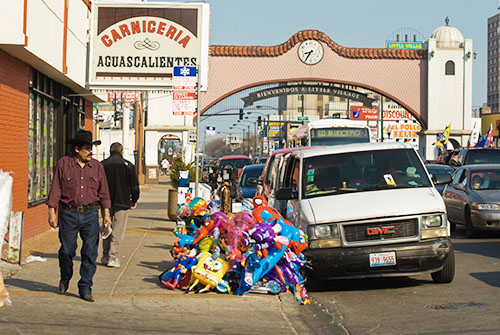
History
The area developed in the late 19th and early 20th centuries as Chicago expanded after the Great Chicago Fire. Early waves of settlement included Eastern European groups, notably Czech and Bohemian immigrants, who established churches, social clubs and small industries. Over decades, those original communities gradually relocated and were succeeded by immigrants from Mexico and other parts of Latin America. This demographic shift transformed local institutions, language use, cuisine and religious life while some historic buildings and street names preserve layers of the neighborhood's past.
Demographics and community life
Today Little Village has a predominantly Latino population and remains a focal point for recent immigrants and multi-generational Mexican-American families. The neighborhood supports a wide array of small manufacturers, retail shops, bakeries, and mercados. Community organizations, mutual aid groups and grassroots coalitions address issues such as immigrant rights, education, small business support and housing stability. Civic participation is visible in street festivals, parades, and public murals.
Landmarks, culture and economy
Landmarks include historic commercial blocks along 26th Street, neighborhood parks, and cultural centers that host events and services. The local economy is characterized by independent proprietors, service businesses and informal commerce. Arts projects and murals celebrate cultural identity; local advocacy groups often collaborate with city agencies on planning and public safety.
Further resources
- Local history collections and neighborhood organizations document migration, institutions and oral histories.
- City planning guides describe community area boundaries and services; see municipal resources for official data.
- For background on earlier settlement patterns consult materials about Eastern European communities and accounts of post-fire expansion.
- Official city and state portals provide contemporary demographic and service information (Chicago, Illinois).
Related articles
Author
AlegsaOnline.com South Lawndale (Little Village), Chicago — overview and history Leandro Alegsa
URL: https://en.alegsaonline.com/art/92179