
Biological engineering (bioengineering)
Biological engineering applies engineering principles to living systems to design, modify, and analyse organisms, tissues, and processes for medicine, industry, agriculture, and the environment.
Overview
Biological engineering, often called bioengineering or biotechnological engineering, combines principles of traditional engineering with biology to solve problems involving living organisms and their components. Practitioners design tools, systems, and processes that interact with cells, tissues, microbes, plants, or ecosystems to achieve practical goals such as treating disease, producing materials, or improving crops.
Image gallery
3 Images

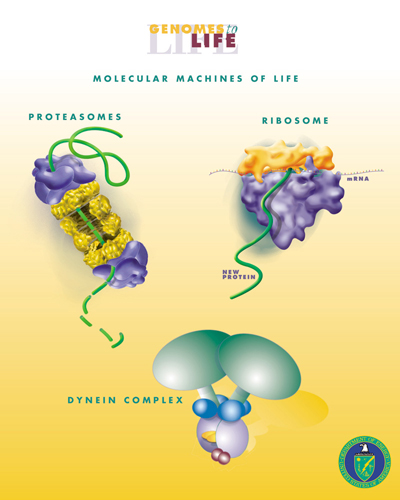
Core concepts and components
The field integrates multiple disciplines: molecular biology, systems biology, chemical and mechanical engineering, computational modelling, and materials science. Typical activities include genetic modification, bioprocess design for fermentation and biochemical production, tissue engineering to create or repair organs, and the development of diagnostic devices and biosensors. Work often moves between wet-lab experiments and quantitative design or simulation.
History and development
Biological engineering emerged in the 20th century as genetic and biochemical techniques matured and engineering began to be applied to biological tasks. Advances such as recombinant DNA, cell culture methods, and microfabrication expanded possibilities. Over decades the discipline shifted from adapting industrial processes for biological inputs to designing living systems with predictable behaviors.
Applications and examples
- Medicine: engineered tissues, drug delivery systems, medical devices, and synthetic biology approaches to produce therapeutics.
- Industry: microbial fermentation to make chemicals, biofuels, and enzymes; bioreactor design and scale-up.
- Agriculture and environment: genetically improved crops, biological pest control, wastewater treatment, and bioremediation.
Methods, distinctions and tools
Methods range from genetic engineering and CRISPR-based editing to computational modelling, microfluidics and 3D bioprinting. Biological engineering differs from pure biology by emphasizing design, optimization and reliable performance; it differs from medical practice by focusing on engineered products and systems rather than individual patient care. Practitioners also engage with regulation, manufacturing, and safety assessment.
Ethics, safety and future directions
Because engineered organisms and biological products can affect health and ecosystems, ethical review, biosafety and regulatory oversight are central. Emerging directions include programmable cells, personalized medicine, sustainable biomanufacturing and tighter integration of machine learning with lab automation. These trends aim to make biological solutions more precise, scalable and socially responsible.
For foundational definitions and technical standards see authoritative resources such as institutional curricula and professional societies; for practical guides to laboratory or design methods consult specialized texts and standards bodies—search terms like living systems engineering can be useful entry points.
Related articles
Author
AlegsaOnline.com Biological engineering (bioengineering) Leandro Alegsa
URL: https://en.alegsaonline.com/art/11645
Sources
- bionewsonline.com : "What Is Bioengineering?"