
Sony Ericsson
Sony Ericsson was a joint venture between Sony and Ericsson (founded 2001) that designed mobile handsets, notable for Walkman and Cyber-shot phone lines and early smartphone developments.

Overview
Sony Ericsson Mobile Communications was a prominent maker of mobile phones created as a joint venture to combine strengths in consumer electronics and network technology. Established in 2001, the company developed a broad lineup ranging from music-oriented feature phones to early smartphones, and for a decade it was a visible global brand in the handset market.
Image gallery
10 Images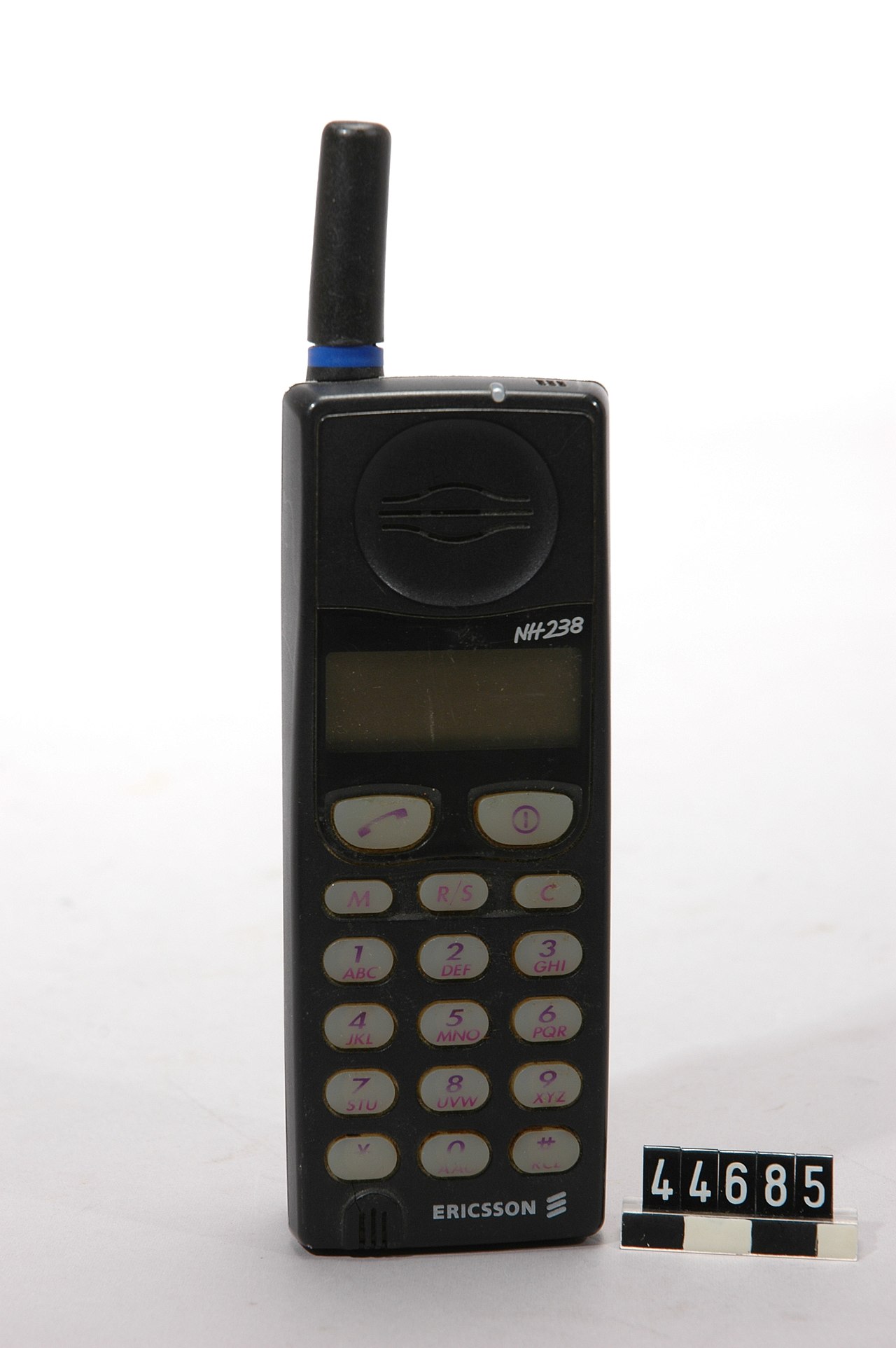


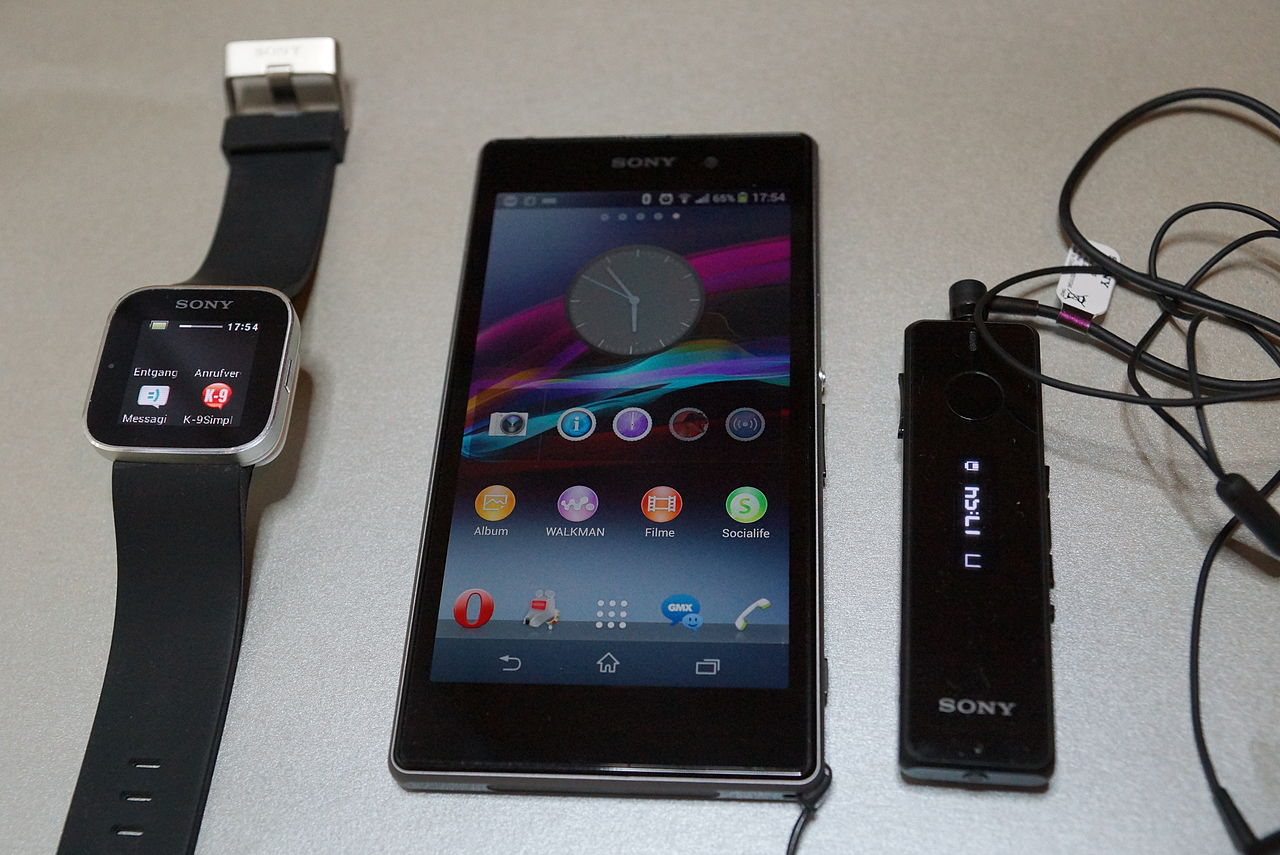


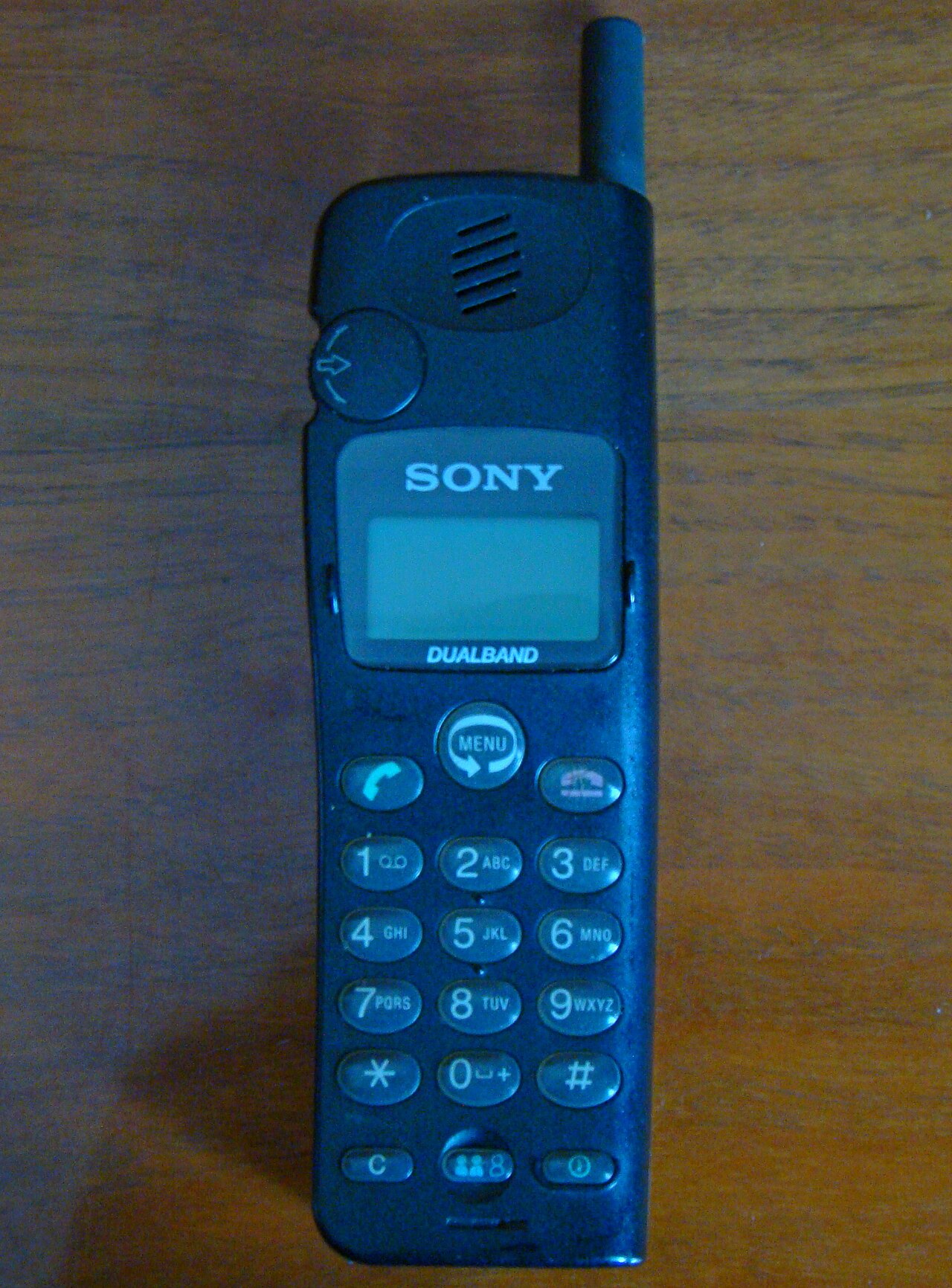


History and formation
The venture brought together a Japanese technology firm and a Swedish telecom specialist: a consumer electronics manufacturer and a telecommunications company working in partnership. In practice, Sony contributed design, brand and multimedia expertise while Ericsson supplied radio, network know-how and carrier relationships. Over its lifetime the business blended the two companies' cultures into distinct product series and services.
Products and technology
Sony Ericsson produced several recognizable lines that emphasized particular features:
- Walkman series — focused on music playback and media features.
- Cyber-shot phones — marketed for camera quality and imaging tools.
- Early smartphone models — transitioning from proprietary platforms and Symbian-era phones toward Android-based devices later in the venture.
- Feature phones — compact, low-cost handsets with strong multimedia and messaging capabilities.
Design, services and market approach
Sony Ericsson combined industrial design influenced by consumer electronics with engineering adapted to mobile networks. Emphasis was placed on audio quality, camera optics and user interface polish. The company also partnered closely with carriers to localize software, preinstall services and tune radio performance for specific markets.
Legacy and notable facts
After roughly a decade of operation the joint venture structure changed when Sony acquired Ericsson's stake and integrated the handset business into its own mobile division. The Sony Ericsson name is remembered for making phones that highlighted multimedia experiences at a time when mobile devices were expanding beyond calls and texts. Its product lines influenced later smartphone design choices and helped set expectations for integrated music and camera performance in handsets.
Further reading
For additional context on specific models, software transitions and the corporate reorganisation, consult manufacturer and telecom histories via the links provided above.
Related articles
Author
AlegsaOnline.com Sony Ericsson Leandro Alegsa
URL: https://en.alegsaonline.com/art/91917