
Sonny Burgess — American rockabilly guitarist and singer
Overview of Sonny Burgess (1929–2017), an energetic American rockabilly performer known for his raw guitar style, lively stage shows, European following, and recognition by the Rock and Roll Hall of Fame of Europe.
Overview
Albert Austin "Sonny" Burgess (May 28, 1929 – August 18, 2017) was an American rockabilly musician celebrated for a fierce, high‑energy approach to rhythm and blues–inflected country music. He is widely described as a pioneering figure in the rockabilly movement, both as a performer and bandleader. Burgess combined driving guitar work with shouted vocals to create a distinctive sound that resonated with young audiences in the 1950s and with revival crowds decades later. Many sources identify him as an important name in rockabilly history.
Image gallery
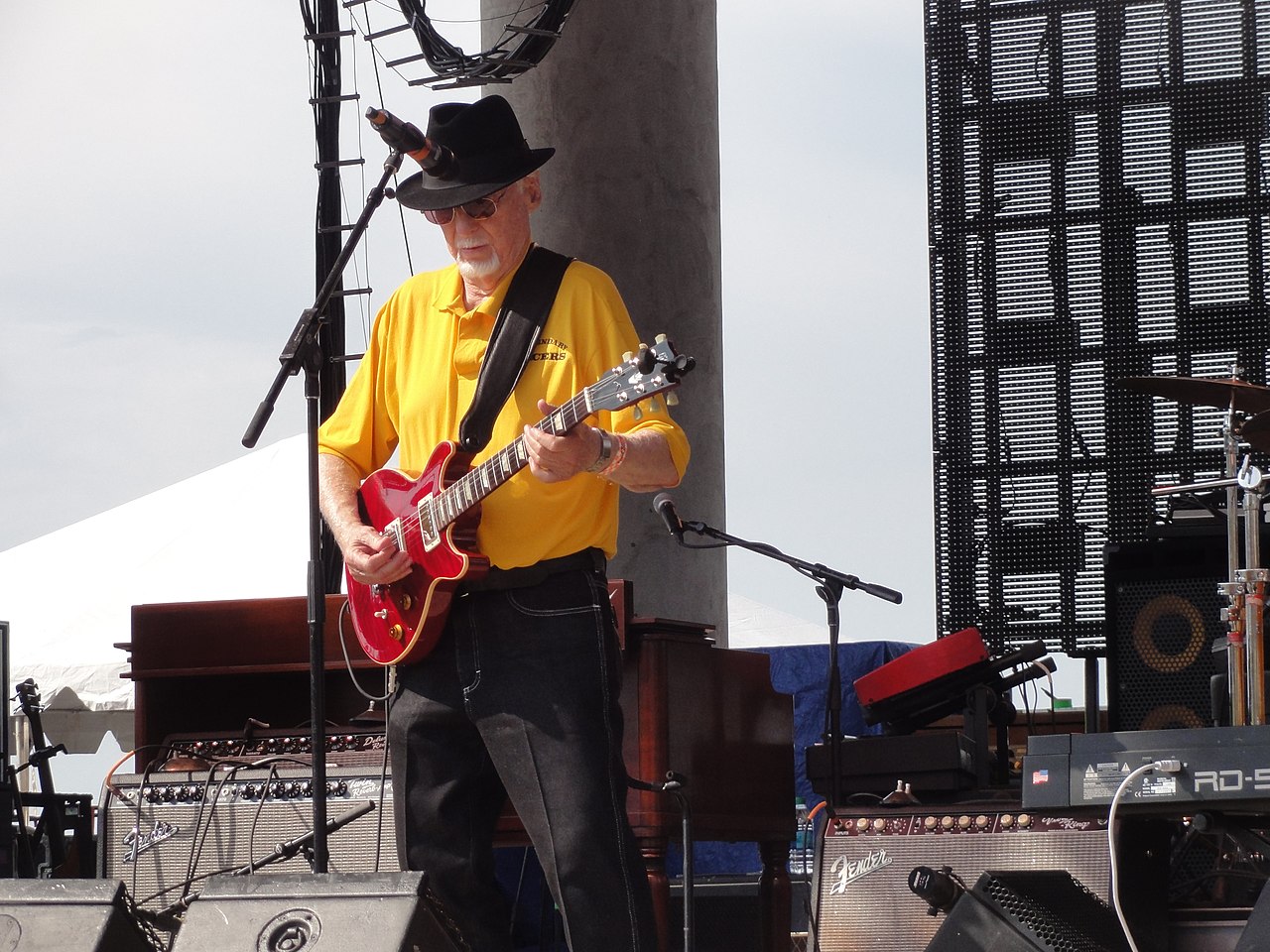
2 Images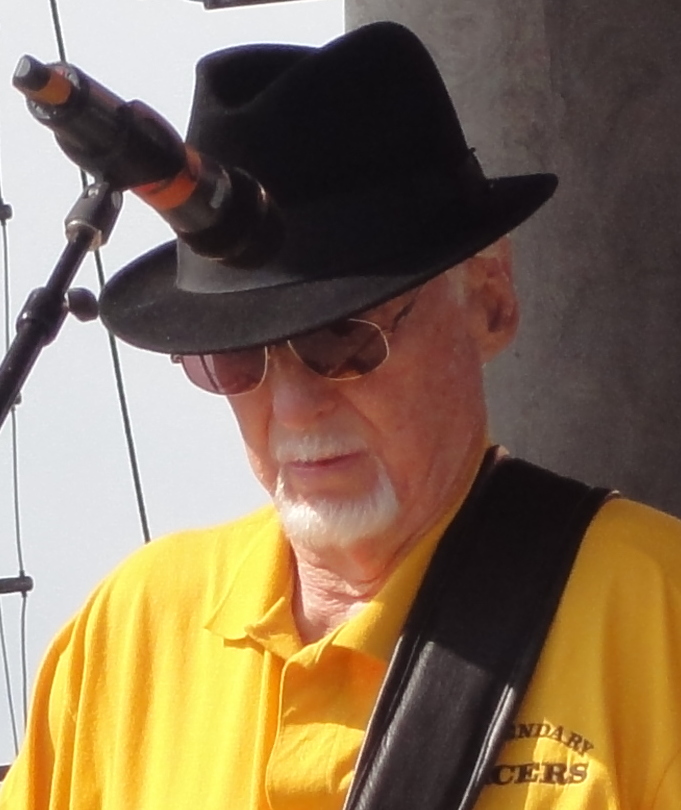
Early life and musical beginnings
Burgess was born in Newport, Arkansas. He learned guitar and began performing locally, eventually organizing his own backing group. His onstage persona and musical choices drew on country, blues and early rock influences. Over time Burgess became known as both a guitarist and a singer, leading a band that emphasized fast tempos and showmanship.
Career and style
In the 1950s Burgess recorded and toured, presenting an aggressive, stripped‑down sound that emphasized raw rhythm and catchy, danceable arrangements. He worked at various times with notable contemporaries, including drummer D. J. Fontana, who was associated with several leading rock and roll acts. Burgess often fronted a working band (commonly referred to as the Pacers) and became known for lively live performances that helped cement his reputation among rockabilly fans.
European following and recognition
Although he remained rooted in American country and rock traditions, Burgess attracted substantial interest abroad and toured Europe repeatedly. European audiences and festival circuits in particular kept his career active during revival phases of rockabilly appreciation. In recognition of his contributions, he was inducted into the Rock and Roll Hall of Fame of Europe in 1999, an honor that acknowledged his influence on roots rock styles.
Characteristics and influence
- Musical traits: aggressive rhythm guitar, energetic stage delivery, concise song forms.
- Performance: known for lively, often physical shows that emphasized movement and crowd interaction.
- Legacy: cited by later roots rock and rockabilly revivalists as a formative influence.
Burgess continued to perform into his later years, maintaining a following among collectors, historians and live audiences. He died after complications from a fall in Little Rock on August 18, 2017, at age 88. His recorded work and reputation for high‑octane performances preserve his place in the story of early rock and roll and its country‑blues roots.
Related articles
Author
AlegsaOnline.com Sonny Burgess — American rockabilly guitarist and singer Leandro Alegsa
URL: https://en.alegsaonline.com/art/91890
Sources
- encyclopediaofarkansas.net : "Sonny Burgess (1929–) - Encyclopedia of Arkansas"
- knoxnews.com : "Sun Records veteran, rockabilly star Sonny Burgess dead at 88"